Corsica is often marketed as a string of beaches. That misses the point. The island becomes far more rewarding when a trip mixes a Mediterranean city, hilltop villages, mountain roads, sheltered bays and a cliff-top old town. For a first visit, AeroSillage recommends 7 to 10 days, a rental car and no more than two or three bases.
A practical first itinerary combines Ajaccio or the Balagne with Bonifacio and southern Corsica. It gives you city life, villages and the postcard coastline without turning the holiday into a continuous drive.
For British and Irish travellers, Corsica is especially attractive when a seasonal nonstop flight matches the dates, but the island should still be planned around the airport rather than the cheapest fare alone. North American travellers will usually connect through a major European hub. In both cases, an open-jaw approach — arriving at one Corsican airport and departing from another — can save a full day of backtracking if the rental-car conditions and fare difference make sense.
Ajaccio: a proper first stop, not just an airport
Ajaccio sits around a broad Mediterranean gulf, with an old port, lively centre, beaches and the Sanguinaires islands to the west. It works particularly well for the first two nights because travellers can land, check in and immediately start exploring instead of facing a long transfer.
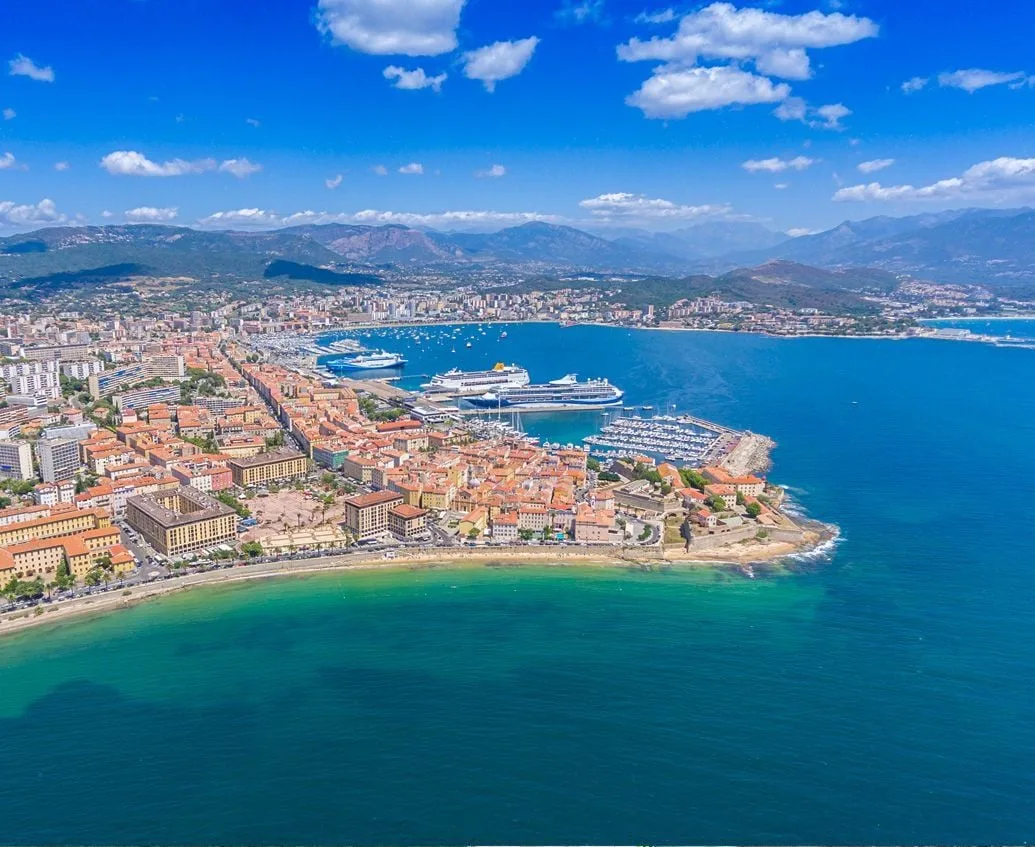
One full day is enough for the centre, old port and main Napoleonic landmarks; two nights allow time for the Parata headland and the Sanguinaires coast. Ajaccio can also be used as a base for the surrounding gulf, but driving times to the far south or Balagne should not be underestimated.
Balagne: hilltop villages, Calvi and a slower rhythm
Balagne is one of the easiest regions to recommend to a first-time visitor. It combines Calvi, L’Île-Rousse, beaches and small villages where the island feels very different from the coast. Sant’Antonino, perched between Calvi and L’Île-Rousse, is one of the clearest examples: narrow stone lanes, a hilltop position and wide views over Balagne and the Gulf of Calvi.
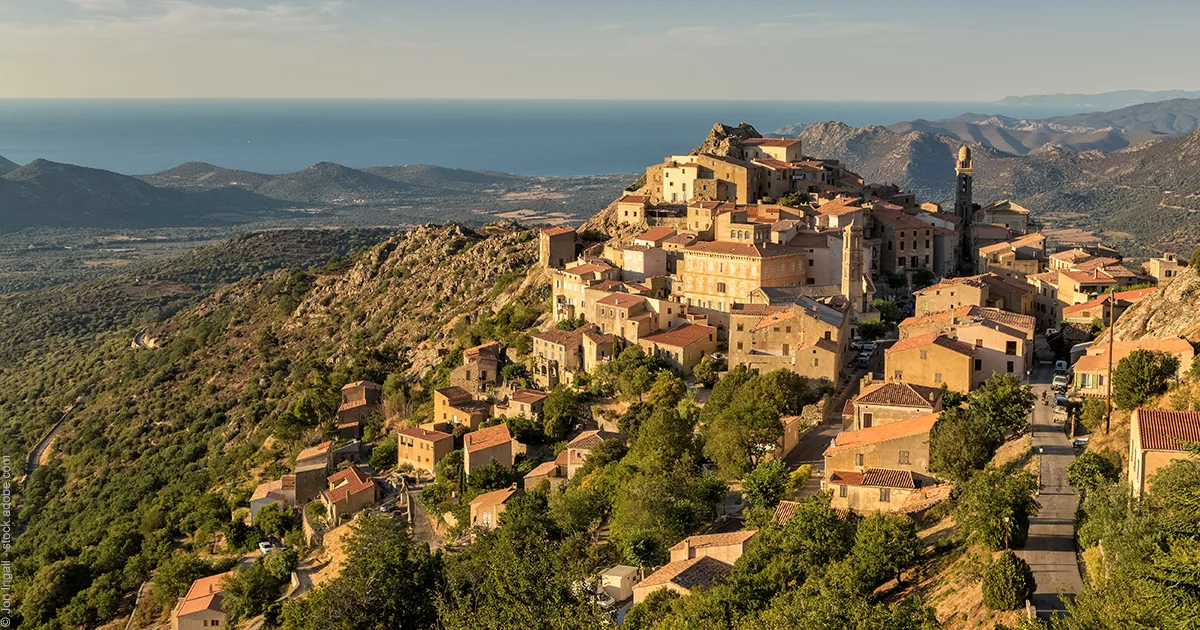
Two or three nights here allow a relaxed mix of villages and coastline. It is a good choice for couples and families, especially if you pick accommodation with straightforward parking and avoid over-planning summer days.
Bonifacio: southern Corsica at its most dramatic
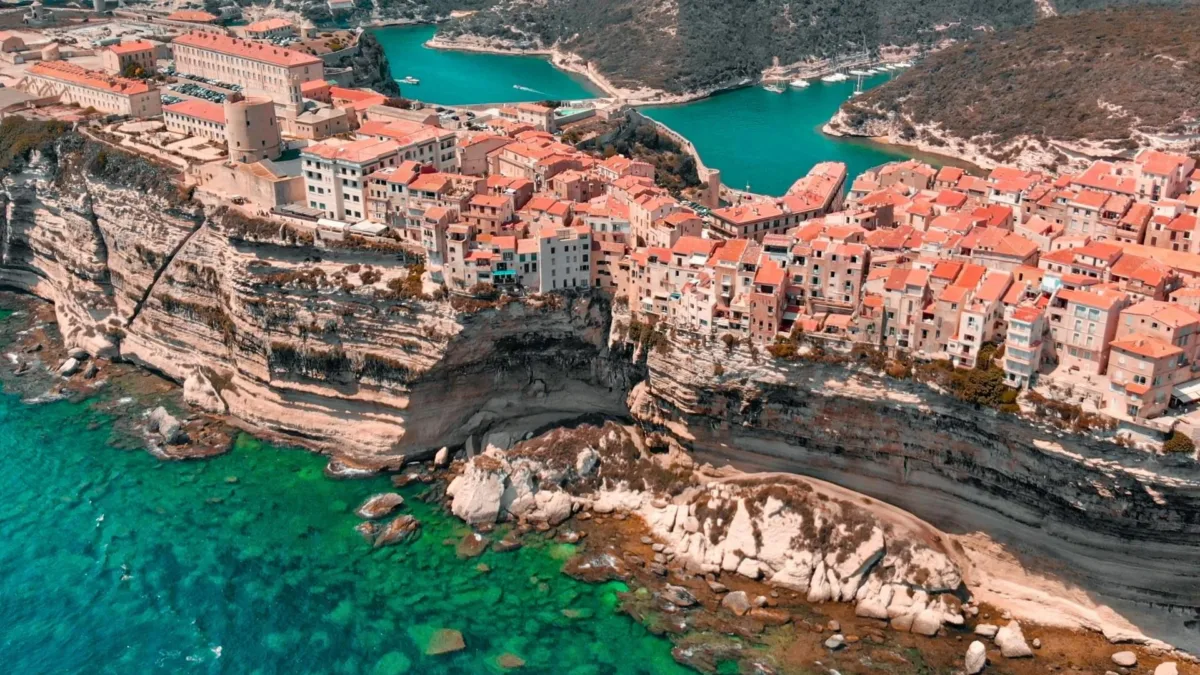
Bonifacio changes the visual language of the island. The old town sits above pale limestone cliffs facing the Strait of Bonifacio and Sardinia. The official Corsican tourism site notes that some houses rise around 60 metres above the sea. Stay for at least one evening: day-trippers often leave just as the light and atmosphere become most memorable.
For AeroSillage, Bonifacio justifies two or three nights in the far south on its own. From here, travellers can reach Rondinara, the Porto-Vecchio coast and the Lavezzi islands when sea conditions are suitable.
Rondinara: the near-perfect bay
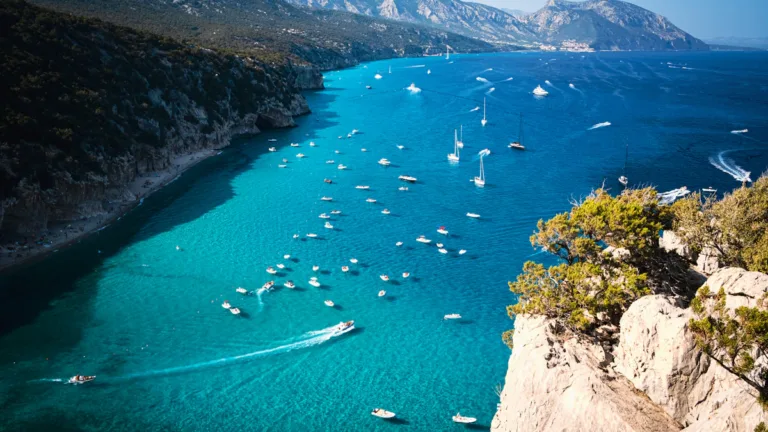
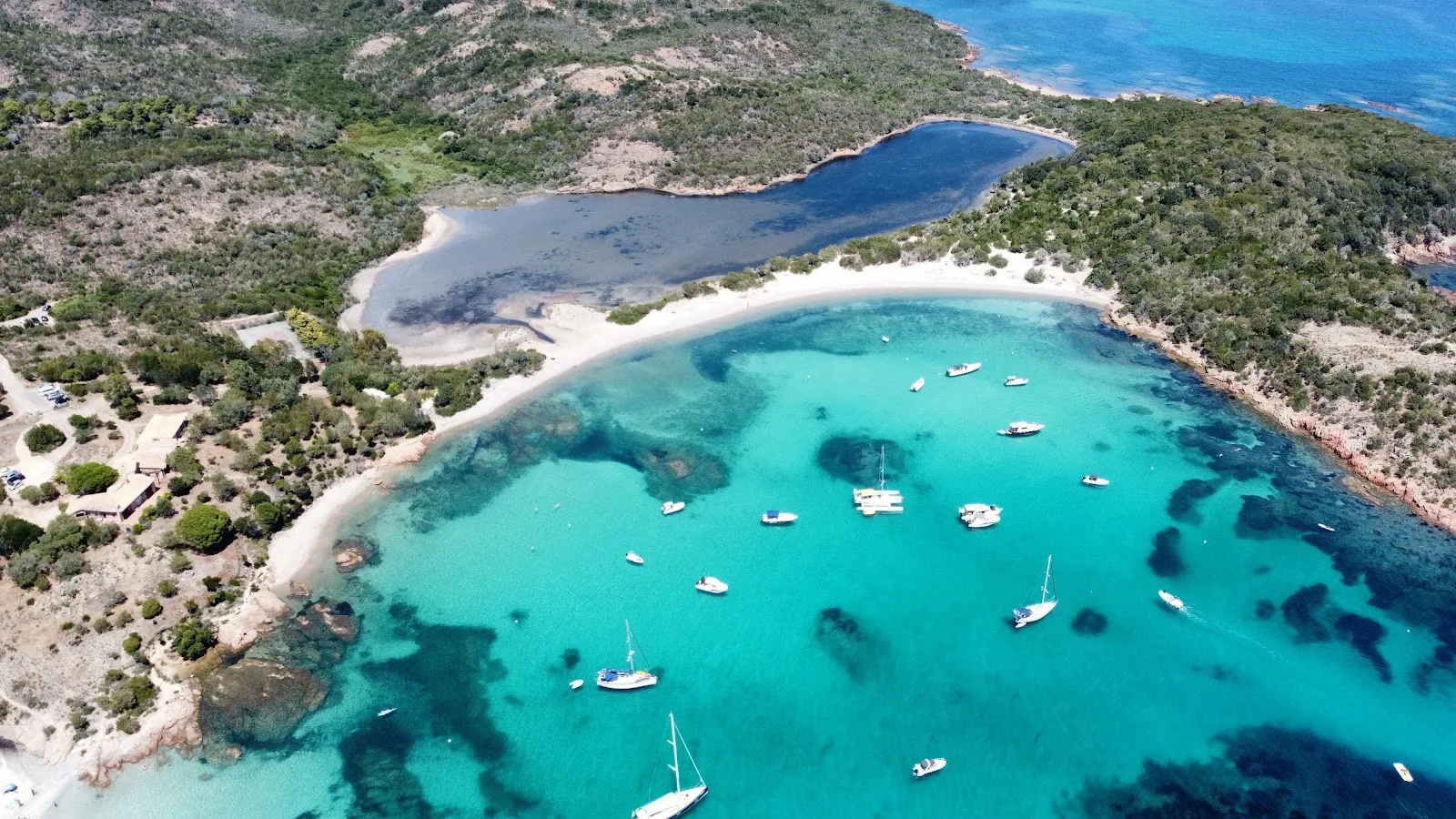
About 18 km north of Bonifacio, Rondinara forms a rounded, sheltered bay with calm turquoise water. The final road is narrow and winding, so early arrival is sensible in peak season. The beach lies within the Bouches de Bonifacio nature reserve and is smoke-free.
The Lavezzi islands: visit them as a nature reserve
Lavezzu, the main island open to visitors, sits in a reinforced-protection area of the Bouches de Bonifacio reserve. There are no shops, toilets, bins or reliable shade. Paths can be stony, and visitors must remain on marked routes, avoid climbing the rocks or collecting anything and take all rubbish away.
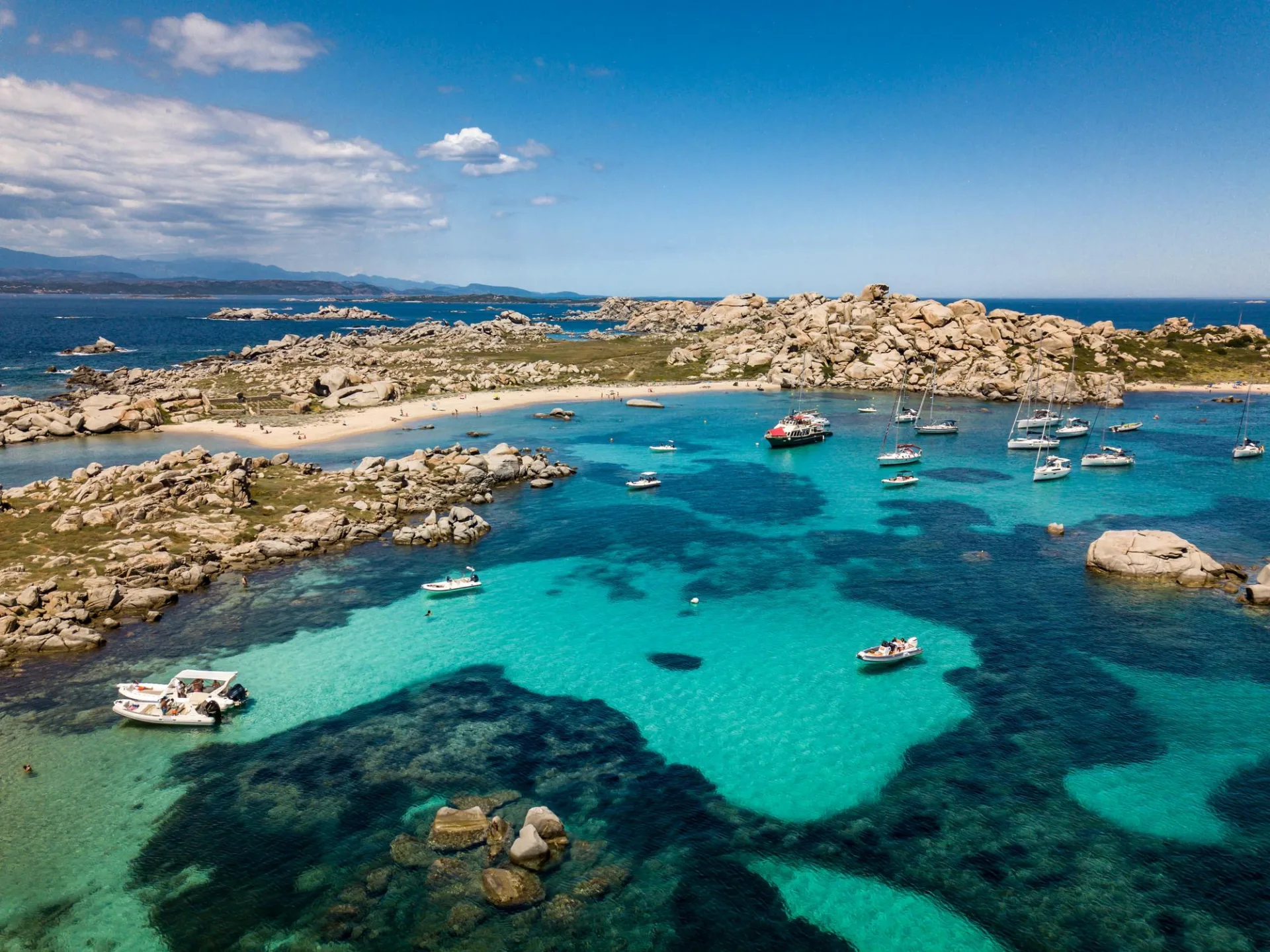
Choose a calm-weather day from Bonifacio and bring water, sun protection and closed shoes. July and August can be crowded; June, September and early October are usually easier if your dates are flexible.
Flights: pick the airport around your route
Corsica has four main airports: Ajaccio (AJA), Bastia (BIA), Calvi (CLY) and Figari (FSC). Ajaccio suits western and south-central itineraries; Figari is the natural airport for Bonifacio and Porto-Vecchio; Calvi serves Balagne; Bastia is best for the north-east and Cap Corse.
Air Corsica’s network includes year-round links to mainland France and seasonal international flying. Its 2026 programme includes seasonal London-Stansted services to Ajaccio, Bastia and Calvi. UK and Irish travellers should still compare connections through Paris, Marseille, Nice or Lyon because direct seasonal schedules vary sharply by month. North American travellers will normally connect through a major European hub.
For UK readers, the main practical trap is seasonality: a convenient nonstop found for July may simply not exist in spring or late autumn. Irish travellers often have a wider choice by combining Dublin with a French or other European hub. Travellers from the US and Canada should compare the total journey time to AJA, BIA, CLY and FSC rather than defaulting to Ajaccio, because one better connection can remove several hours of driving after arrival.
Search all four Corsican airports separately. A cheaper fare can be poor value if it adds a long cross-island drive and another rental-car day. See also AeroSillage’s guide to when to book flights for lower fares.
Do you need a car?
Not for a city break in Ajaccio or Bastia. For this itinerary, yes. Distances look modest on a map, but Corsican roads are often winding and average speeds are lower than travellers expect. Plan in hours, not kilometres.
A compact car is easier in villages and tight car parks. In summer, book early and check fuel policy, excess and restrictions on unpaved roads. Drivers arriving from the UK or Ireland should also remember that traffic in Corsica keeps to the right; the first hour on mountain roads is not the moment to choose the largest rental category.
Where to stay: choose the base before the hotel
Ajaccio works best for travellers who want restaurants, an evening walk and an easy first or final night near an airport. Calvi and L’Île-Rousse suit those who want beaches and villages in the same part of the trip. Bonifacio is the strongest base for atmosphere and dramatic scenery, while Porto-Vecchio offers a broader resort and restaurant choice for travellers focused on the south-east beaches.
For families, ease of parking and short transfers usually matter more than being in the prettiest old-town street. Couples may prefer one atmospheric night inside or just outside Bonifacio’s historic centre. Solo travellers will generally find Ajaccio, Calvi and Bastia easier for evenings on foot and public transport than isolated coastal resorts.
When to go
June and September offer the easiest balance of warm weather, pleasant sea temperatures and lighter crowds. July and August bring the broadest flight schedules but also the highest accommodation prices and traffic. May and October suit towns, villages and walking, although sea conditions are less predictable.
Budget
Corsica can be expensive in peak summer. For two people, excluding flights, a comfortable week with a rental car and mid-range accommodation can easily reach €1,500 to €2,500, and more in July or August. Shoulder-season prices can be materially lower.
Accommodation, the car and restaurants drive most of the budget. Beaches, villages and viewpoints are often free; boat trips, parking and organised activities add the variable extras.
Corsica uses the euro. Cards are widely accepted in towns, hotels, larger restaurants and supermarkets, but carrying some cash is useful for small village businesses, markets, parking machines or seasonal kiosks. UK and North American travellers should check their card’s foreign-transaction fee before departure rather than relying on airport exchange desks.
Who Corsica suits best
Couples get the most from a slower two-base itinerary with Bonifacio or Balagne as the romantic anchor. Families benefit from sheltered bays such as Rondinara, apartment-style accommodation and fewer hotel changes. Solo travellers can enjoy the island easily, but should avoid building an itinerary around remote accommodation unless they are comfortable driving every evening.
An 8-day first itinerary
Days 1–2: Ajaccio. City, old port, Parata and the Sanguinaires coast. Days 3–4: Balagne. Calvi or L’Île-Rousse plus Sant’Antonino and nearby villages. Day 5: transfer south. Keep the schedule light. Days 6–8: Bonifacio and the far south. Old town, Rondinara and one Lavezzi day if conditions cooperate.
With ten days, add Corte, Porto-Vecchio or another western stop. With five days, choose two regions rather than attempting an island circuit.
The AeroSillage choice
For a first trip, Corsica works best as a journey in two or three distinct chapters, not a race around the island. Ajaccio gives you city and gulf, Balagne gives you villages, and Bonifacio delivers the most dramatic maritime scenery. Leave enough space in the schedule for the unplanned beach, long lunch or viewpoint that makes you stop the car.
Sources
Agence du Tourisme de la Corse / Visit Corsica: Ajaccio, Sant’Antonino, Bonifacio, Rondinara and the Lavezzi islands; Air Corsica: network and 2026 flight programme. Checked October 2026. Schedules, fares and access conditions can change.