
Malaysia tests flight contingency plans as AirAsia faces pressure
Malaysia has discussed domestic flight continuity with Malaysia Airlines and Batik Air as AirAsia faces financial strain, but no AirAsia shutdown has been announced.
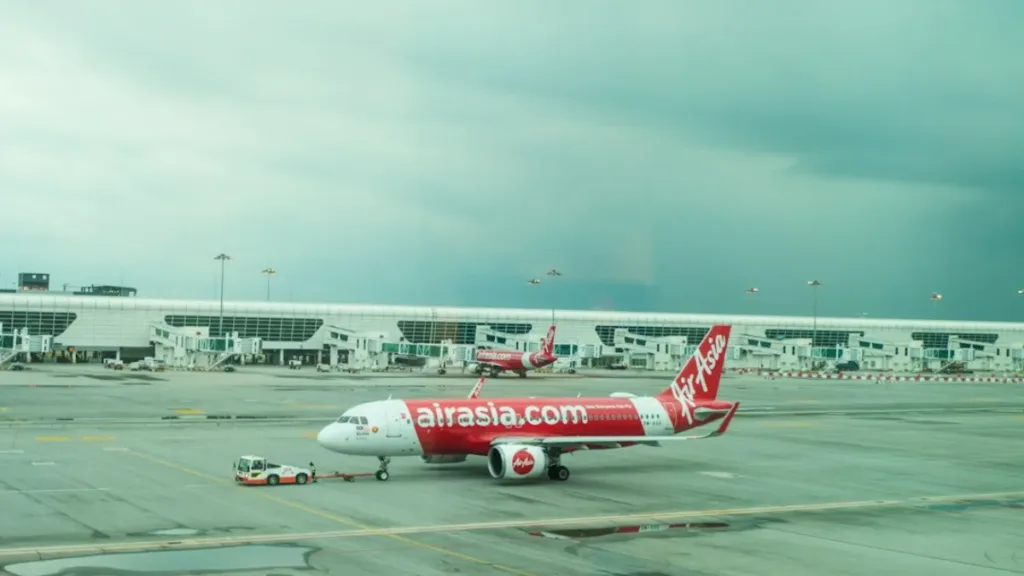
Malaysia has asked Malaysia Airlines and Batik Air whether they could take over domestic flying if AirAsia were forced to reduce operations, according to people familiar with government contingency planning reported by Reuters on 16 September 2026. The discussions reflect concern about the country’s dependence on its largest low-cost carrier, not an announcement that AirAsia is closing.
The government and Malaysia Airports have been examining options as fuel costs and AirAsia’s financing needs put pressure on the airline. AirAsia continues to operate flights and has rejected speculation about an imminent collapse.
Why AirAsia matters to Malaysia’s domestic network
AirAsia accounts for around 60 per cent of domestic airline traffic, according to the figures cited in the Reuters report. Replacing even a substantial part of that capacity would be difficult at short notice. Aircraft, crews, airport slots and ground operations could not necessarily be moved to other airlines simply because passengers needed seats.
Malaysia Airlines and Batik Air reportedly told officials that absorbing flying on that scale would be more practicable if aircraft lease arrangements could be transferred. The carriers have not announced an agreement to acquire AirAsia’s network or business.
Finances under scrutiny
AirAsia reported a second-quarter net loss of 831 million ringgit. At the end of June 2026 its current liabilities stood at approximately 18.4 billion ringgit, against cash and equivalents of 954 million ringgit, according to figures reported by Reuters. It was seeking up to US$1 billion from international markets and 700 million ringgit through local credit lines.
Management has described fleet adjustments and contract renegotiations as measures to strengthen its financial structure. Seeking financing and preparing contingencies are not proof that a carrier will cease operating. Equally, a large domestic market share makes the government’s interest in continuity understandable.
The passengers’ immediate position
No general grounding of AirAsia flights was announced in the reporting reviewed for this article. Customers should follow the airline’s direct booking and schedule communications rather than infer cancellations from contingency discussions.
The episode exposes an uncomfortable consequence of airline concentration: a carrier can be central to a country’s transport system even while its finances are under strain. How Malaysia would preserve connections in a genuine disruption remains a planning question, not an event that has already happened.
Source: Reuters, 16 September 2026, on Malaysia’s discussions with Malaysia Airlines, Batik Air and Malaysia Airports. Additional context: AirAsia’s financial disclosures. Related reading: AeroSillage’s analysis of how airline financial distress affects route continuity.
Read next
JOIN THE CONVERSATION
Let’s discuss this story.
A question, a clarification or a different perspective? Share it with us.