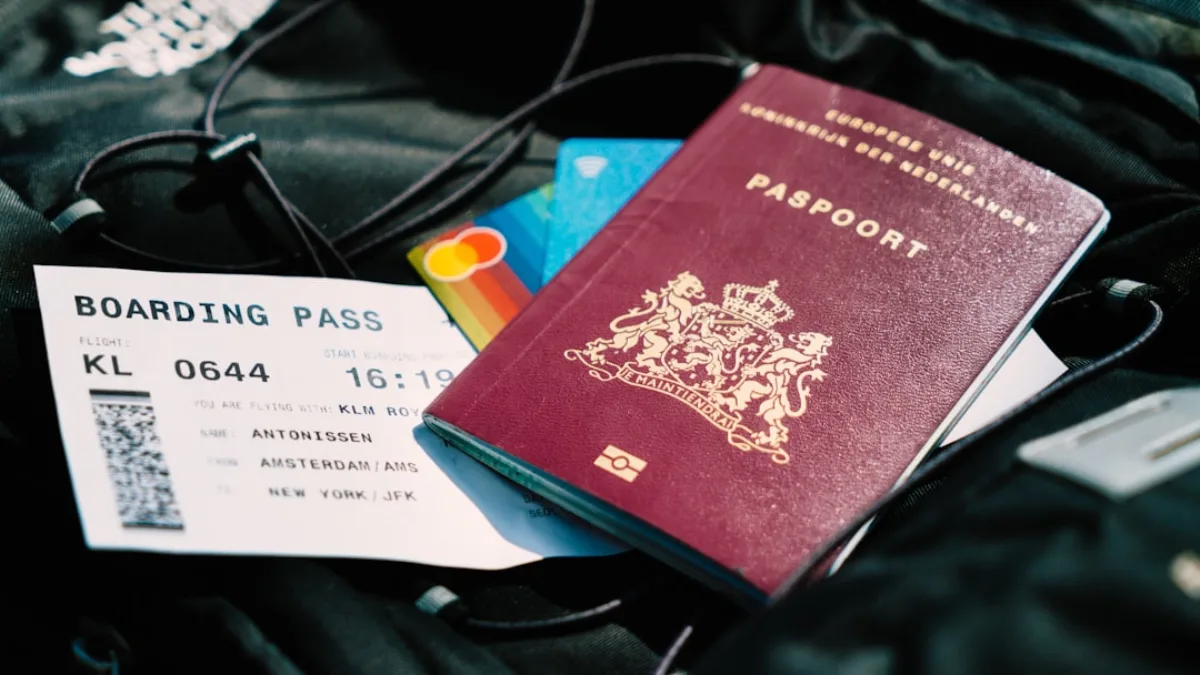
You see a fare at €89, return a few hours later and it is €112. Many travelers immediately blame cookies. In reality, airline pricing is more complex: fares move constantly according to demand, load factors, available fare classes and how far in advance you book.
An airline seat does not have one fixed price
Unlike a typical retail product, an airline seat is not sold at a single fixed fare. One cabin can be divided into several fare buckets, so two passengers sitting next to each other may have paid very different amounts.
When the cheapest bucket sells out, the system automatically moves to the next one. The displayed fare can therefore jump even though nothing visible has changed about the flight itself.
Why can the price change within minutes?
Several factors can move at once: seats remaining, booking pace, season, school holidays, destination events, route competition, departure time and the flight’s historical booking pattern.
Revenue-management systems continuously reassess the value of each remaining seat. If a flight starts filling quickly, lower fare buckets can disappear just as quickly.
Do cookies really make fares rise?
It is one of the most common travel myths. Seeing a higher price after repeated searches can feel as if the website has detected your interest and is pressuring you to buy.
In most cases, however, the stronger explanation is a real change in availability or fare inventory. Prices can move for everyone at the same time. Cookies can store sessions, personalize journeys or measure behavior, but there is no broad evidence that airlines systematically raise the same fare merely because the same person searched several times.
Private browsing can help keep comparisons tidy, but it does not guarantee a cheaper fare.
Why can two devices show different prices?
The reason may be the exact search time, currency, point of sale, intermediary, a temporary offer or a synchronization delay between a comparison site and the airline’s own website.
Should you wait or book now?
There is no universal “magic day.” Waiting can sometimes produce a lower fare, but it can also mean losing the final seats in the cheapest bucket. For fixed-date travel during a busy period, waiting is generally riskier than for flexible off-season travel.
The practical approach is to monitor the fare for a few days, compare the airline’s site with one or two reliable metasearch tools and check the final price including baggage, seats and unavoidable fees.
Price transparency still matters
In France and the EU, airlines remain free to set fares, but consumers must be informed of the total unavoidable price during booking. Once a ticket is purchased, an airline cannot arbitrarily add a surcharge merely because the market fare later rises.
Sources
DGCCRF; European Commission; Eurostat HICP Manual 2024.
Related on AeroSillage: When should you book a flight to really pay less?.



Leave a Reply