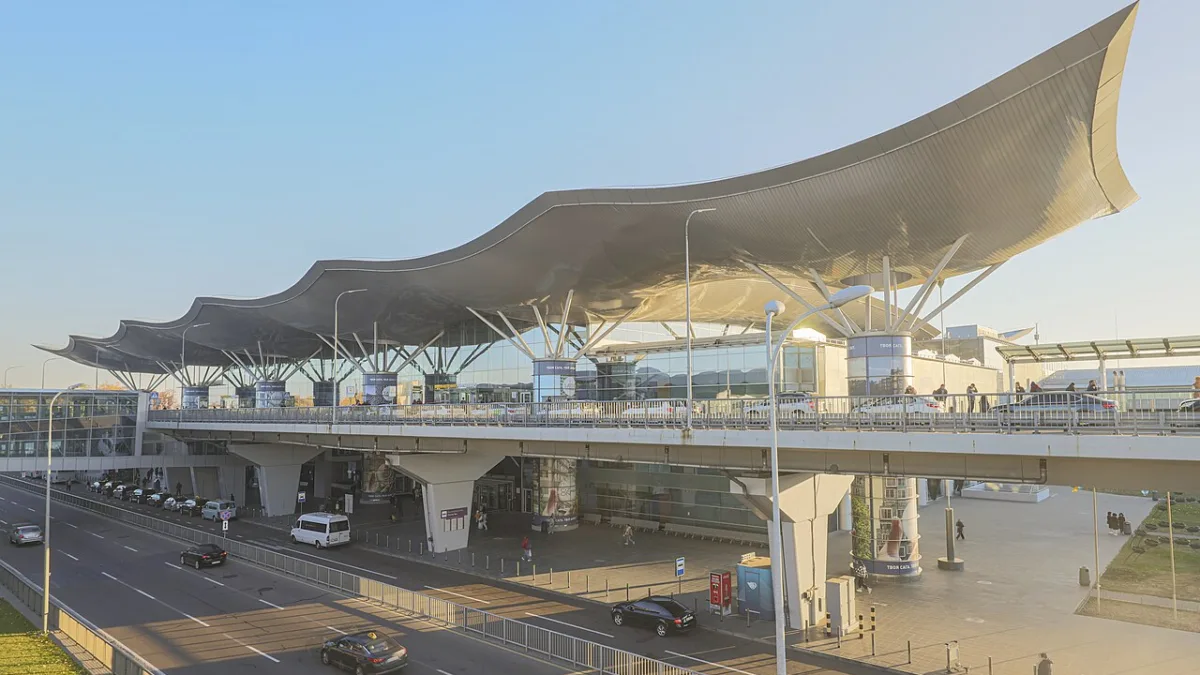
The renewed concern around Kyiv, Boryspil and Russian airspace is fundamentally an airline risk-assessment problem. The immediate military events matter, but the operational question for carriers is how quickly conflict risk changes routing, insurance assumptions and airport availability.
ICAO does not decide routes for airlines
Ukraine has formally raised concerns about Russian airspace, but ICAO does not impose a global operating ban. States, airlines and insurers still make their own decisions based on threat assessments.
Insurance can move faster than regulation
Even without a formal prohibition, higher perceived risk can affect premiums, coverage conditions and operating approvals. That can make a route commercially unattractive before governments issue new restrictions.
Airport closures are only one part of the risk
Drone activity, air-defence interceptions, GPS interference and sudden rerouting can all disrupt operations even when an airport remains technically open.
MH17 still shapes today’s decisions
The 2014 disaster remains the clearest reminder that conflict-zone overflight decisions cannot rely only on whether an airway is formally available.
What airlines will watch next
The key signals are prolonged airport closures, new national advisories, insurer restrictions and schedule suspensions by major international carriers.
AeroSillage view: in conflict-zone aviation, the important threshold is often reached before a formal ban. Once operational uncertainty becomes too high, airlines begin withdrawing on their own.
Sources
Reuters; Ukrinform; statements from Ukrainian and Russian authorities.


Leave a Reply