
Beijing tightens no-fly rules and bans drones in November
Beijing is introducing a new no-fly zone from September 20 and will ban possession, storage and transport of civilian drones across the capital from November 15.

Beijing’s latest aviation restrictions reach beyond where a small aircraft may fly: they also address whether residents can possess or transport a civilian drone at all. Following a fatal light-aircraft crash in June, the city has moved towards a much tougher low-altitude security regime. A new no-fly zone is due to take effect on September 20, 2026, while a much broader rule will from November 15 ban the possession, storage and transport of civilian drones across the capital’s administrative area.
A new no-fly zone from September 20
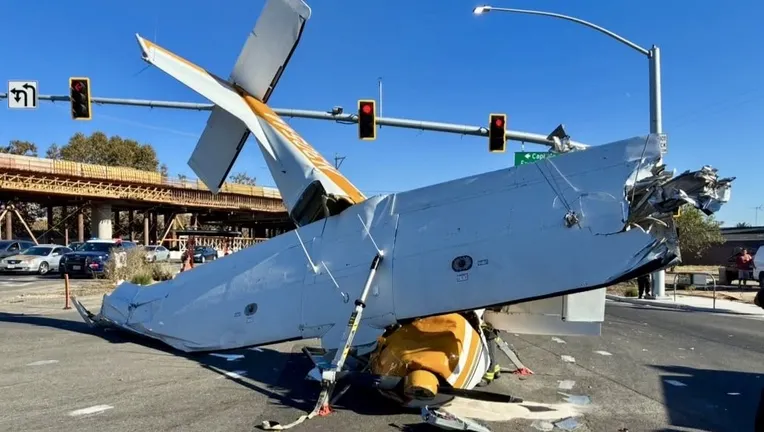
The exact boundaries of the new restricted zone have not yet been fully published. Available reporting indicates that it forms part of a wider tightening introduced after the June 26 crash in which a light aircraft struck the CITIC Tower in central Beijing, killing the pilot and injuring 13 people on the ground.
There is currently no indication that the new measure targets scheduled commercial traffic at Beijing Capital or Beijing Daxing airports. The detailed boundaries and exemptions remain to be clarified.
Drones banned from November 15
From November 15, Beijing is set to enforce one of the world’s strictest municipal drone regimes. The rules will prohibit not only unauthorized operation but also possession, storage and transport of drones and key components within the city.
Owners will be expected to move their equipment outside Beijing before the rules take effect, with resale, recycling and shipment to other regions among the exit options described by local authorities.
Why it matters
The measures extend beyond drone operations and signal a broader rethink of low-altitude aviation around one of China’s most sensitive urban airspaces. This comes even as China continues to promote a fast-growing “low-altitude economy” based on drones, logistics and light aviation. For commercial aviation, the key distinction is that published restrictions and drone enforcement can affect low-altitude or local operations without necessarily closing Beijing Capital or Daxing to scheduled airline traffic.
Sources
Reuters, September 14, 2026; Associated Press; Beijing municipal authorities; Beijing Daily.
Related: Brussels Airport detects drone for second evening, another example of how drone activity can affect aviation operations.
Read next
JOIN THE CONVERSATION
Let’s discuss this story.
A question, a clarification or a different perspective? Share it with us.