Northern Morocco works best when treated as a journey rather than a collection of day trips. Tangier brings the strait, the medina and a modern seafront; Tetouan adds a deeply Andalusian historic core; Tamuda Bay provides a Mediterranean beach break; and Chefchaouen slows the pace in the Rif Mountains. The four places are close enough to combine in one trip, but different enough to make each stop feel distinct.
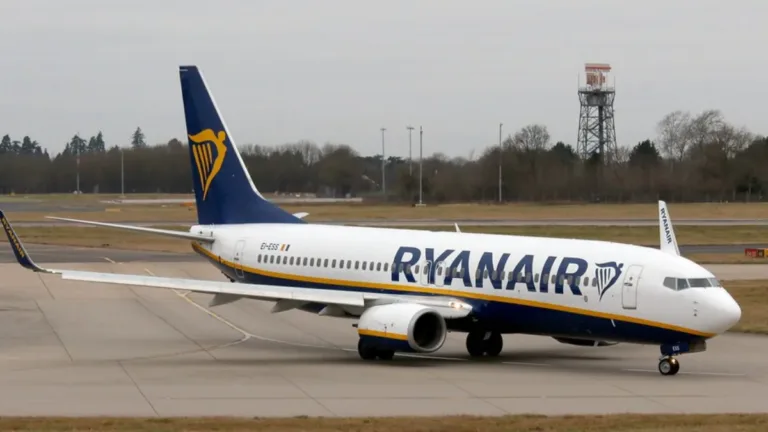
For a first visit, AeroSillage recommends 7 to 9 days and three bases rather than changing hotel every night. British and Irish travellers can build the trip around Tangier’s seasonal and year-round air links, while North American visitors will often arrive via a larger European or Moroccan hub. In both cases, the right sequence matters more than squeezing every town into a single itinerary.
Tangier: the natural gateway to northern Morocco
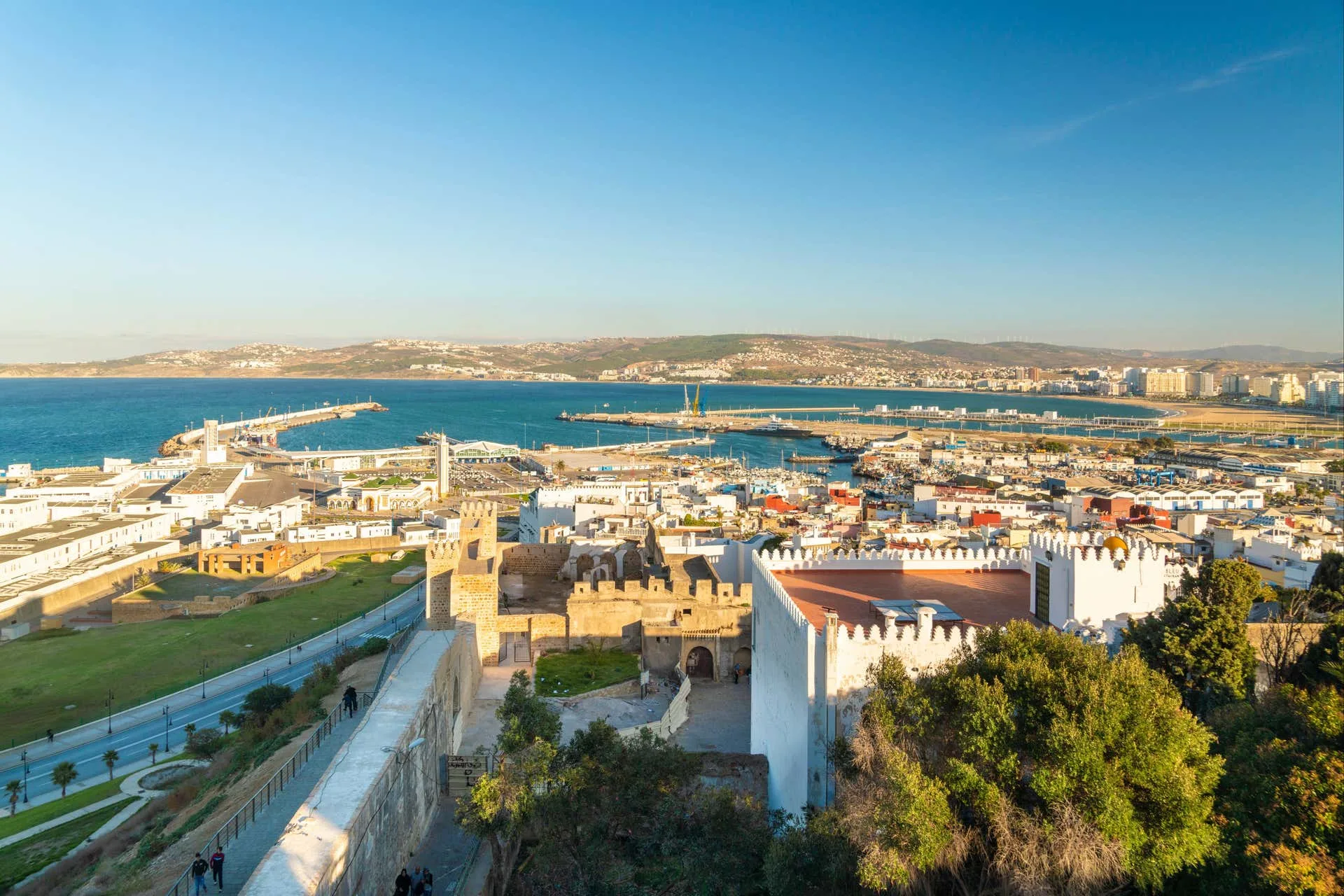
Tangier sits at the point where the Atlantic and Mediterranean worlds meet. The city’s character comes from contrast: whitewashed lanes, the Kasbah, broad European-influenced boulevards, cafés, a busy port and a long modern corniche. It feels Moroccan, Mediterranean and outward-looking at the same time.
Start around the Grand Socco, then walk through the medina and gradually climb towards the Kasbah. The higher you go, the quieter the lanes become and the better the views over the port and Strait of Gibraltar. The Kasbah Museum, in the former sultan’s palace, is a useful cultural introduction before you continue to the ramparts and viewpoints.
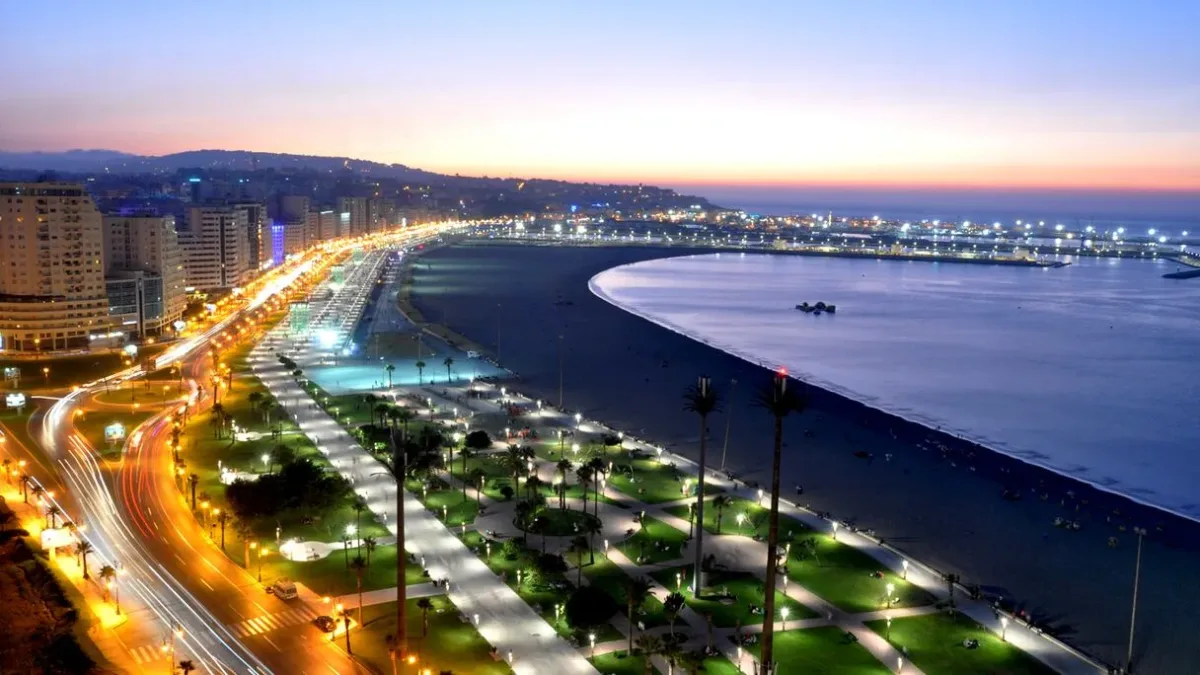
Later in the day, move to the seafront. The beach, corniche and apartment skyline show the modern side of Tangier and make a strong contrast with the old city. For a half-day outside town, combine Cape Spartel and the Caves of Hercules, both highlighted by Morocco’s national tourism office.
Where to stay in Tangier
The medina and Kasbah are best for atmosphere, riads and walking access to the historic core. Central Tangier is practical for restaurants, taxis and evenings on foot. The corniche and Malabata suit travellers who prefer modern hotels, sea views and easy beach access.
Two or three nights are ideal. One night is too rushed for most first-time visitors; four nights make sense if you add Asilah, a beach day or a slower food-focused stay.
Tetouan: Andalusian heritage without the crowds
Around 60 kilometres from Tangier, Tetouan feels immediately different. Its medina has been on UNESCO’s World Heritage List since 1997. UNESCO describes it as one of Morocco’s smallest medinas but also one of its most complete, with a historic urban fabric strongly shaped by links with Andalusia.
This is a city to explore on foot. Gates, covered passages, workshops, white façades, neighbourhood mosques and small squares reveal a place that is less geared to tourism than Marrakech or Fez. Beyond the medina, the Spanish-era Ensanche adds another layer and helps explain why Tetouan has such a distinctive urban identity.
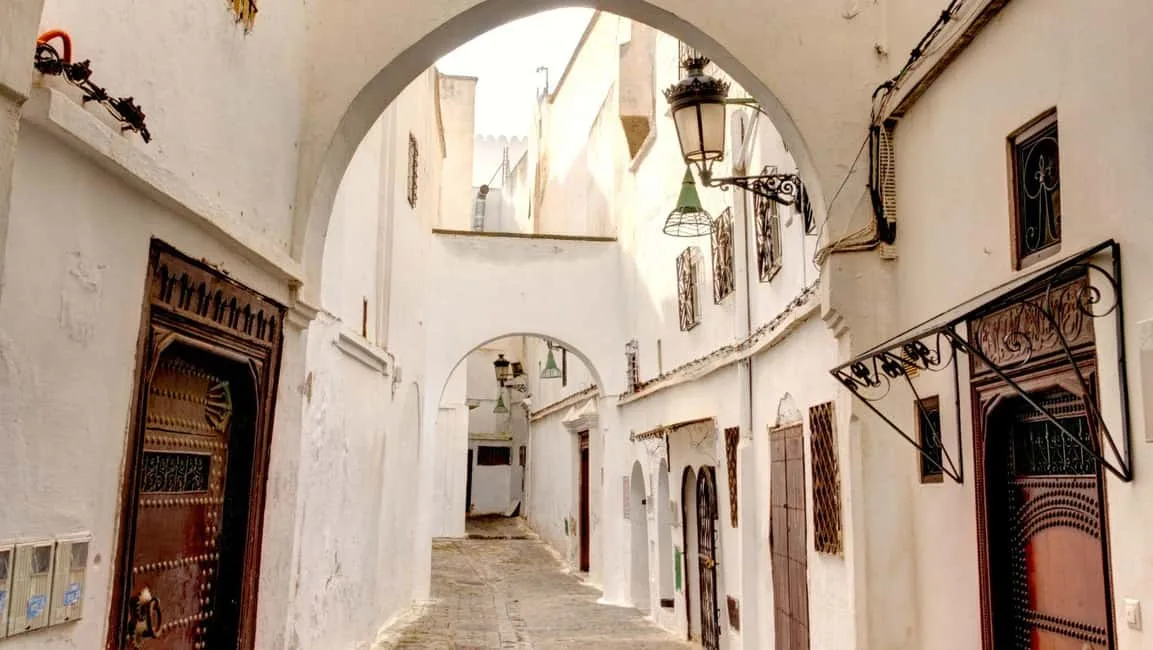
A full day covers the essentials, but staying overnight is worthwhile. Once day visitors leave, the medina becomes noticeably quieter and more local. AeroSillage would rather spend one night here than reduce Tetouan to a hurried stop between Tangier and the coast.
Tamuda Bay: the Mediterranean beach chapter
East of Tetouan, Tamuda Bay stretches along roughly 15 kilometres of sandy coastline according to Morocco’s national tourism office. The wider resort zone takes in places around M’diq, Cabo Negro, Marina Smir and Fnideq. This is where the trip shifts from medina travel to a more polished Mediterranean holiday: beach hotels, marinas, restaurants, watersports and long stretches of sand.
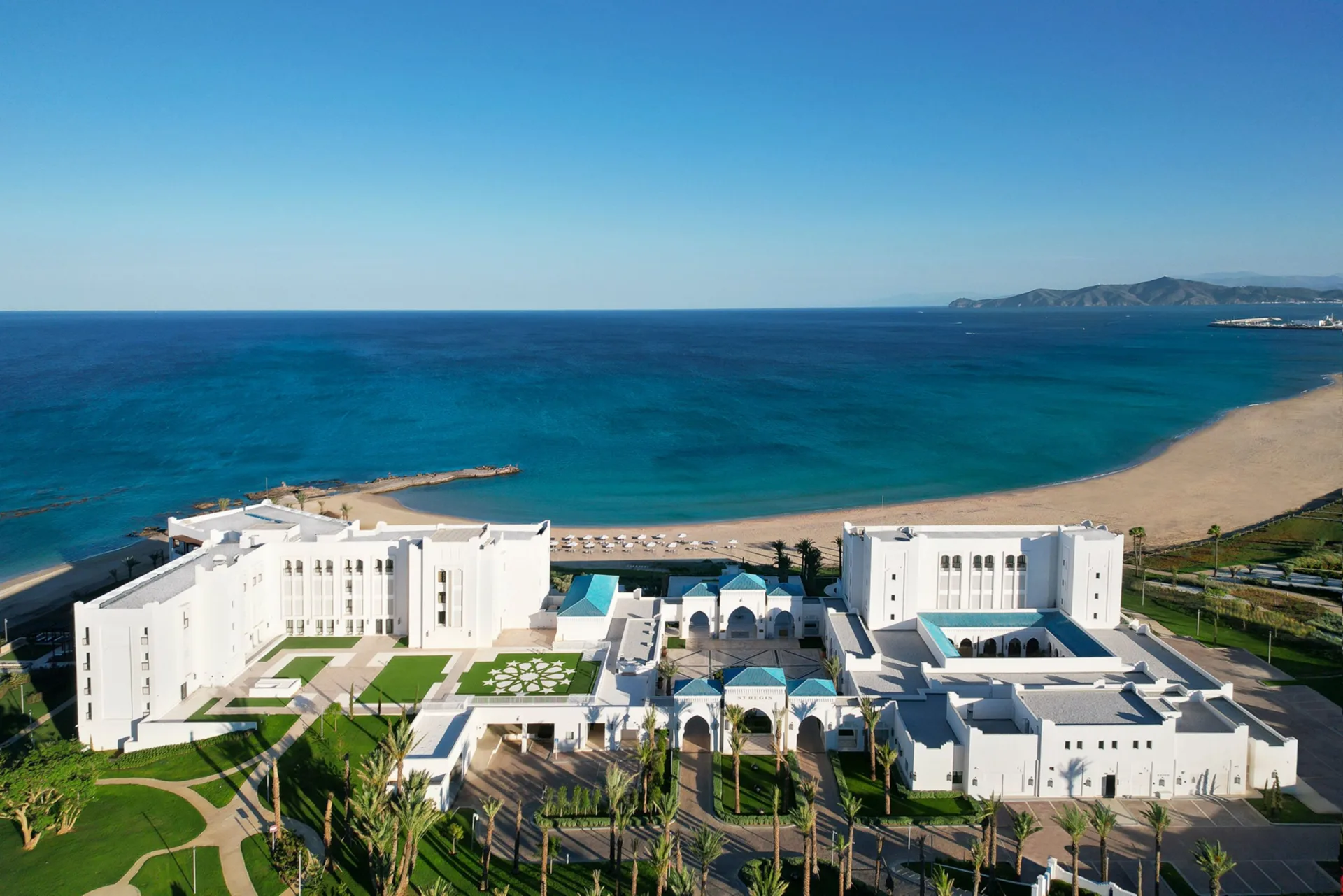
Two nights work well in summer or early autumn. Families get straightforward beach time, pools and resort facilities; couples can make the stay more luxurious with one of the high-end properties along the coast. Outside peak season, the atmosphere is much quieter, so choose Tamuda Bay for scenery and rest rather than nightlife.
M’diq is a good choice for seafood and a more local evening. Resort restaurants can approach southern-European price levels, while nearby towns generally bring costs back down.
Chefchaouen: more than the blue streets
Chefchaouen lies about 65 kilometres from Tetouan and just over 110 kilometres from Tangier. Morocco’s tourism office gives typical road times of around 1 hour 30 minutes from Tetouan and a little over two hours from Tangier. The approach through the Rif is part of the experience.
The medina is compact, steep and famously blue, but the town deserves more than a photo stop. Spend time around Outa el Hammam, visit the Kasbah, walk to Ras El Ma and climb towards the Spanish Mosque near sunset. From there, the relationship between the blue medina and the surrounding mountains becomes much clearer.
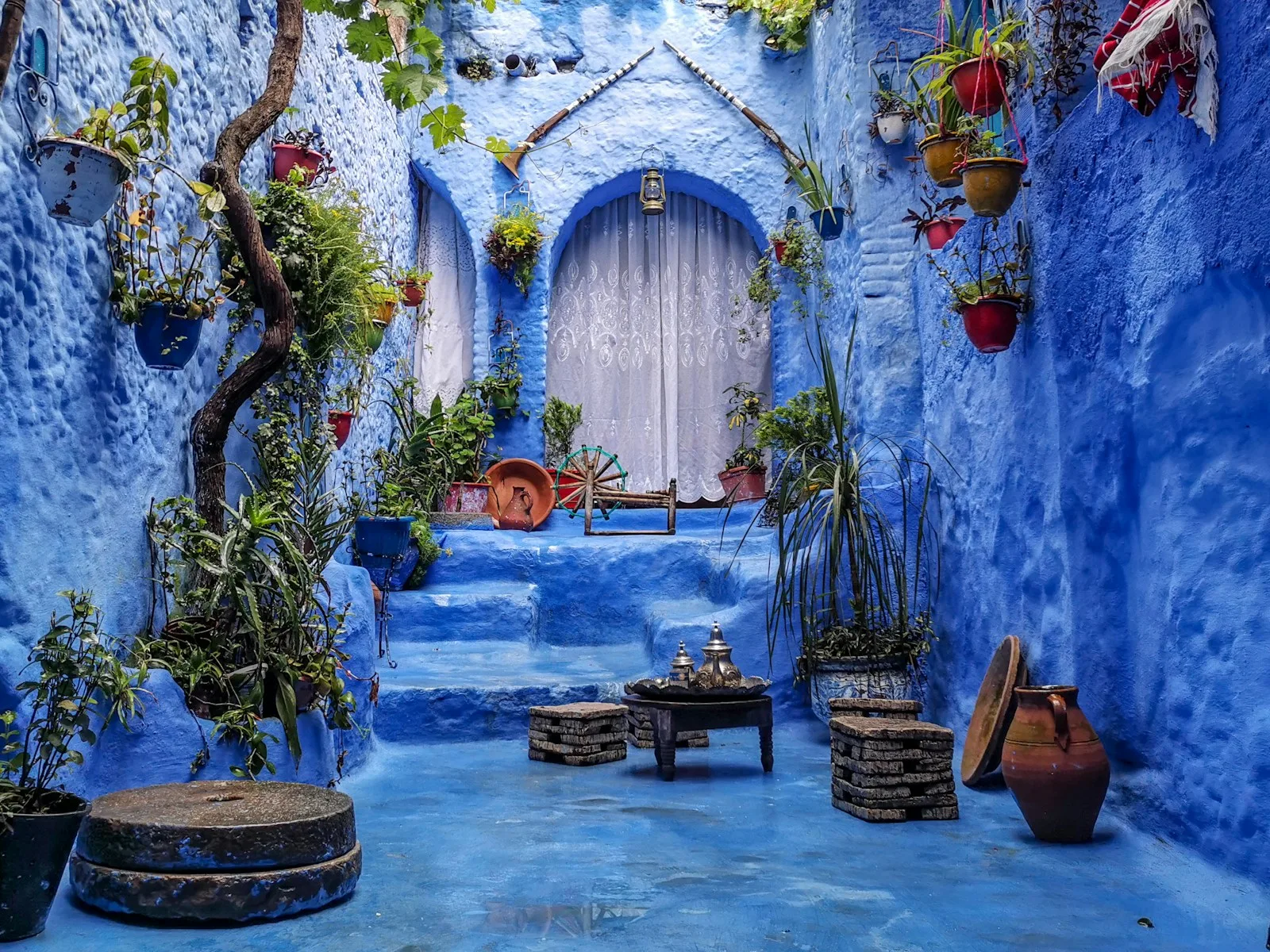
Two nights are ideal. Use the first day for the medina and the second either to slow down or to head towards Akchour and Talassemtane National Park, both promoted by Morocco’s tourism authorities. Hikers should still treat the Rif as real mountain terrain and check conditions before setting out.
Flying in: what UK, Irish and North American travellers should know
Tangier Ibn Battouta Airport (TNG) is the natural air gateway. Official Moroccan aviation data places it about 11 kilometres south-west of Tangier. Its network includes domestic and European services, with frequencies changing through the year.
For UK and Irish travellers, the key issue is seasonality. A convenient nonstop available in summer may not operate in spring or winter, so always compare total journey time rather than just headline fare. Connections through Paris, Madrid, Barcelona, Malaga, Lisbon or Casablanca can sometimes produce a better overall itinerary.
Travellers from the United States and Canada will normally connect through a major European or Moroccan hub. In that case, compare Tangier with arriving into Casablanca and taking the high-speed train north. A slightly longer flight connection can be worthwhile if it creates a cleaner rail journey and avoids an awkward late-night transfer.
High-speed rail from Casablanca and Rabat
Morocco’s Al Boraq high-speed service links Tangier with Kenitra, Rabat Agdal and Casablanca. For travellers combining northern Morocco with Rabat or Casablanca, this is one of the easiest ways to travel without renting a car for the entire trip.
Tetouan and Chefchaouen are not on the rail network, so the train solves only the first part of the journey. From Tangier, continue by coach, private transfer or rental car.
Arriving by ferry from Spain
Ferry travel makes particular sense for travellers already in southern Spain. The crucial detail is the port. Services can arrive at Tangier Ville, close to the centre, or Tangier Med, which is much farther east and requires a separate road transfer. Never book the onward hotel or train connection until you know which port your sailing uses.
Do you need a car?
Not in Tangier itself. Walking and small taxis work well. For Tetouan, Tamuda Bay and Chefchaouen, a car gives maximum flexibility, especially if you want to move at your own pace or stop between destinations.
Drivers from the UK and Ireland should remember Morocco drives on the right. A compact car is easier in historic towns and mountain roads than a large SUV. In Chefchaouen, you will usually park outside the most walkable part of the medina anyway.
If you prefer not to drive, coach and private-transfer combinations are perfectly workable. For solo travellers, this can be more relaxing than managing parking and navigation alone.
Best time to go
April to June and September to October are the most balanced periods. Tangier and Tetouan are comfortable for walking, Chefchaouen avoids the strongest heat and Tamuda Bay can still function as a genuine beach stop. July and August bring the busiest beaches, higher resort prices and more traffic.
Winter works well for city and cultural travel, but rain becomes more likely and Tamuda Bay is far quieter. Mountain weather around Chefchaouen can also change quickly.
Budget: from independent trip to luxury break
Northern Morocco can be good value, but Tamuda Bay changes the equation. Tangier, Tetouan and Chefchaouen all offer a wide range of hotels and guesthouses; the premium beach resorts can cost several times more in July and August.
For two people, excluding long-haul or international flights, a comfortable 7-to-9-day trip can often be built around MAD 9,000 to 16,000 with mid-range accommodation, ground transport, meals and a few activities. High-end beach hotels, suites and private drivers can double that. Always price the actual travel dates because seasonality is strong.
Money, cards and connectivity
Morocco uses the Moroccan dirham (MAD). Cards are widely accepted in hotels, modern restaurants and larger shops, particularly in Tangier and Tamuda Bay, but cash remains useful in medinas, small cafés, taxis and markets. UK and North American visitors should check foreign-transaction fees before departure.
French and Moroccan Arabic are widely used in the north, with Spanish particularly visible in Tangier and Tetouan. English is increasingly common in tourist-facing businesses but should not be assumed everywhere.
Families, couples and solo travellers
Families should keep hotel changes to a minimum and use Tamuda Bay as the decompression point between cities. Couples can build a stronger trip around a riad in Tangier or Tetouan, a premium Mediterranean stay and two atmospheric nights in Chefchaouen. Solo travellers will find Tangier and Chefchaouen easy to explore on foot, while pre-booking intercity transfers can simplify the logistics.
Food: what to look for
In Tangier, go beyond the corniche for grilled fish, Moroccan breakfasts and old-school cafés. Tetouan’s cooking has a stronger Andalusian imprint. Around M’diq and Tamuda Bay, seafood is the obvious focus. Chefchaouen adds mountain produce, simple tagines, soups and northern cheeses.
For travellers with dietary restrictions, larger hotels are easier for communication, but independent restaurants can usually adapt if the requirement is explained clearly. Morocco is a Muslim-majority country, so halal meat is standard in most local restaurants; alcohol availability varies by establishment.
An ideal 8-day itinerary
Days 1–3: Tangier. Medina, Kasbah, Grand Socco, corniche, Cape Spartel and the Caves of Hercules. Day 4: Tetouan. UNESCO medina, Ensanche and overnight stay. Days 5–6: Tamuda Bay. Beach time, M’diq and a slower pace. Days 7–8: Chefchaouen. Medina, Ras El Ma, Spanish Mosque and an optional Akchour excursion.
With ten days, add another Tangier night, a full beach day or a proper Rif hiking day. With only five days, choose Tangier + Chefchaouen or Tangier + Tetouan/Tamuda Bay rather than trying to fit all four areas.
The AeroSillage choice
The strength of northern Morocco is the constant change of atmosphere. Tangier is urban and maritime, Tetouan historic and Andalusian, Tamuda Bay relaxed and Mediterranean, Chefchaouen intimate and mountain-focused. Few routes give that much contrast within roughly 120 kilometres.
Before fixing the itinerary, compare total air journey times and not just the cheapest fare. AeroSillage’s guide to when to book flights for lower fares can help avoid building the entire trip around a misleading headline price.
Sources
Moroccan National Tourist Office / Visit Morocco: Tangier, Tetouan, Tamuda Bay and Chefchaouen; UNESCO: Medina of Tetouan; ONDA: Tangier Ibn Battouta Airport; ONCF: Al Boraq high-speed rail. Information checked in October 2026. Flight schedules, fares, entry rules and local transport conditions can change.