
Storm Boelo forces cancellations and diversions at Leeds Bradford Airport
More than 1,500 flight delays were reported across Britain during Storm Boelo. A nationwide figure masks very different consequences for travellers and airlines.
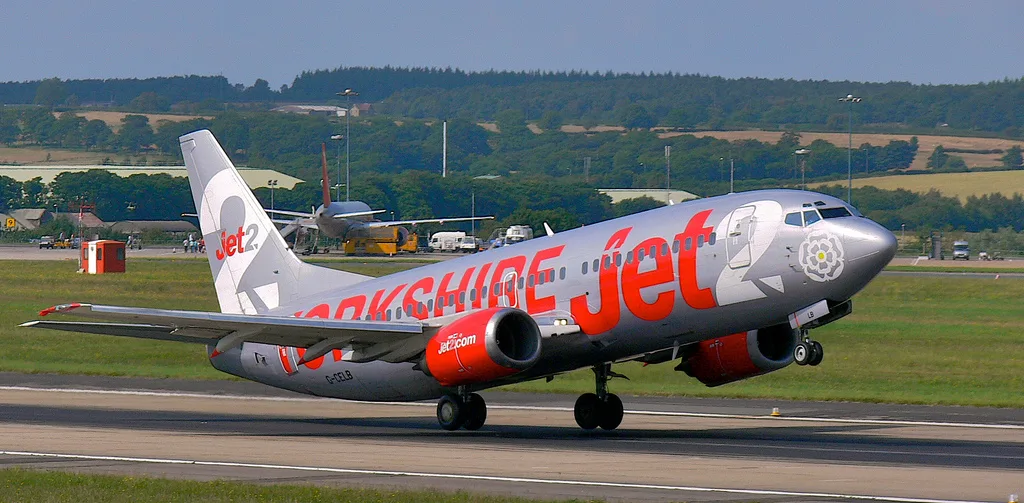
Strong winds brought by Storm Boelo disrupted flights arriving at and departing from Leeds Bradford Airport on Sunday 25 October 2026. Some aircraft bound for Yorkshire were diverted to other airports, while scheduled services were cancelled. The airport confirmed weather-related disruption and advised passengers to check with their airlines before travelling.
The disruption extended beyond Yorkshire. The Independent reported more than 1,500 flight delays across the UK, but did not specify the counting period or methodology needed to establish how many were attributable to Storm Boelo. That figure concerns delays, not cancellations or diversions, and cannot serve as a verified measure of the storm’s individual impact on UK aviation.
Why Leeds Bradford became a focal point
At Leeds Bradford, the distinction between a diversion and a cancellation was particularly important. The Yorkshire Evening Post listed easyJet arrivals from Palma and Malaga and Ryanair flights from London Stansted, Krakow and Gdansk among services diverted away from the airport. Its flight list provides a detailed picture of the disruption, rather than a final official total.
Other arrivals were cancelled, including Aer Lingus services from Dublin and Belfast City and a KLM flight from Amsterdam. Departures were affected too: the newspaper listed cancelled Jet2 flights to Funchal, Corfu, Jerez de la Frontera, Ibiza, Split and Reykjavik. The Yorkshire Post described almost all services as cancelled or seriously delayed, although that characterisation was not an airport-certified percentage.
At 11.20am UK time, Leeds Bradford acknowledged weather difficulties affecting both arrivals and departures and urged passengers to consult their airlines. It also said returning customers delayed by the conditions would not face additional parking charges. The airport’s exposed position at Yeadon can create challenging wind conditions, but the reported diversions alone do not prove that it closed completely.
Weather warnings and a wider travel network
The Met Office issued amber warnings for parts of northern Britain, forecasting gusts of 60–70mph and potentially up to 80mph on exposed coasts. These were regional forecasts, not direct measurements at every affected runway. Storm Boelo was a separate system from Storm Austen, which had affected travel on Friday, and the two should not be merged into one event.
Strong wind can reduce airport capacity without forcing a complete closure. Crews may divert when local landing conditions are unsuitable, and aircraft left away from their planned destinations may then be unavailable for subsequent services. These operational effects can spread disruption beyond the airport where the weather first intervenes.
The journey to an airport also mattered. National Highways warned of gales affecting roads in Yorkshire and neighbouring regions. Passengers could therefore face disruption even before reaching a terminal.
Passengers should check their individual flight with the operating airline: a nationwide delay count cannot tell them whether their service is departing, diverted or cancelled. When a service is cancelled, passengers should ask about the refund, alternative travel and assistance available under the applicable rules. Severe weather can affect entitlement to fixed compensation, but it does not automatically extinguish the separate obligations to help stranded travellers.
Sources: The Independent, 25 October; Met Office; Yorkshire Evening Post; Yorkshire Post; National Highways.
Read next
JOIN THE CONVERSATION
Let’s discuss this story.
A question, a clarification or a different perspective? Share it with us.