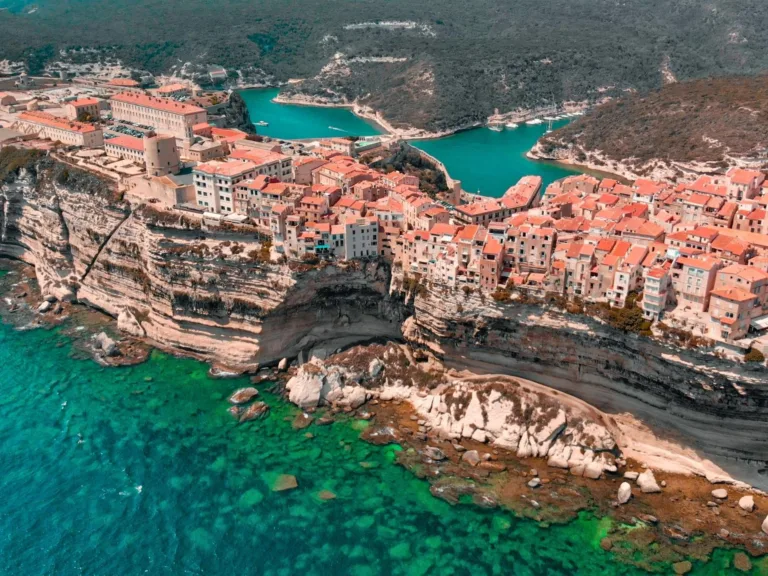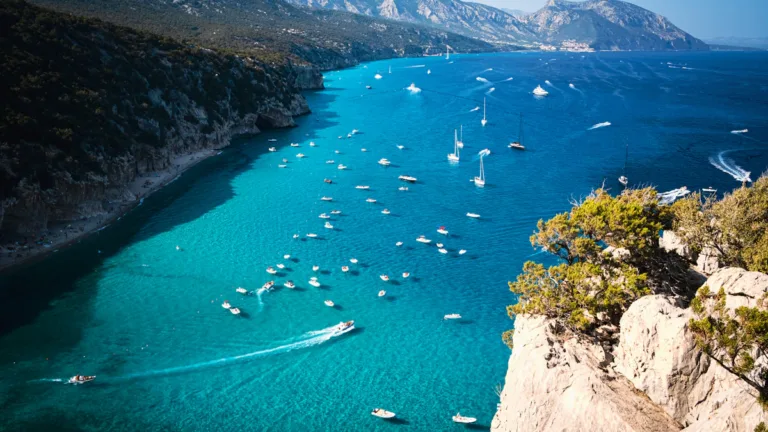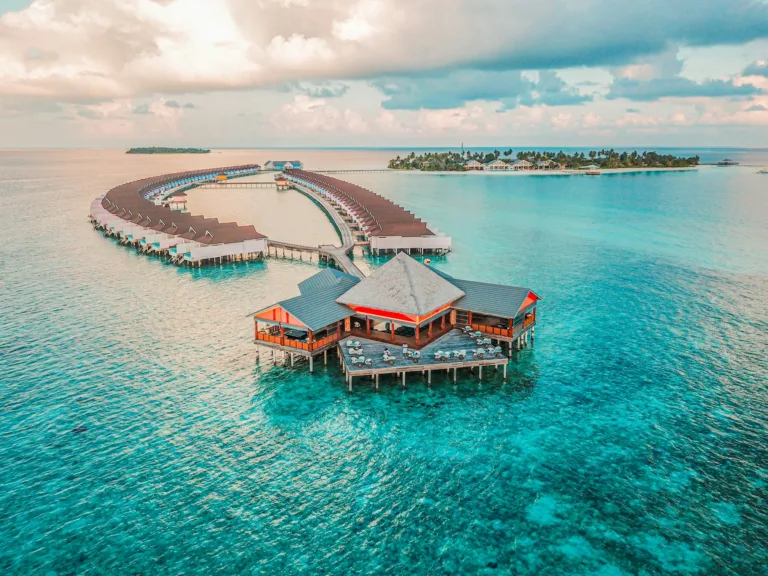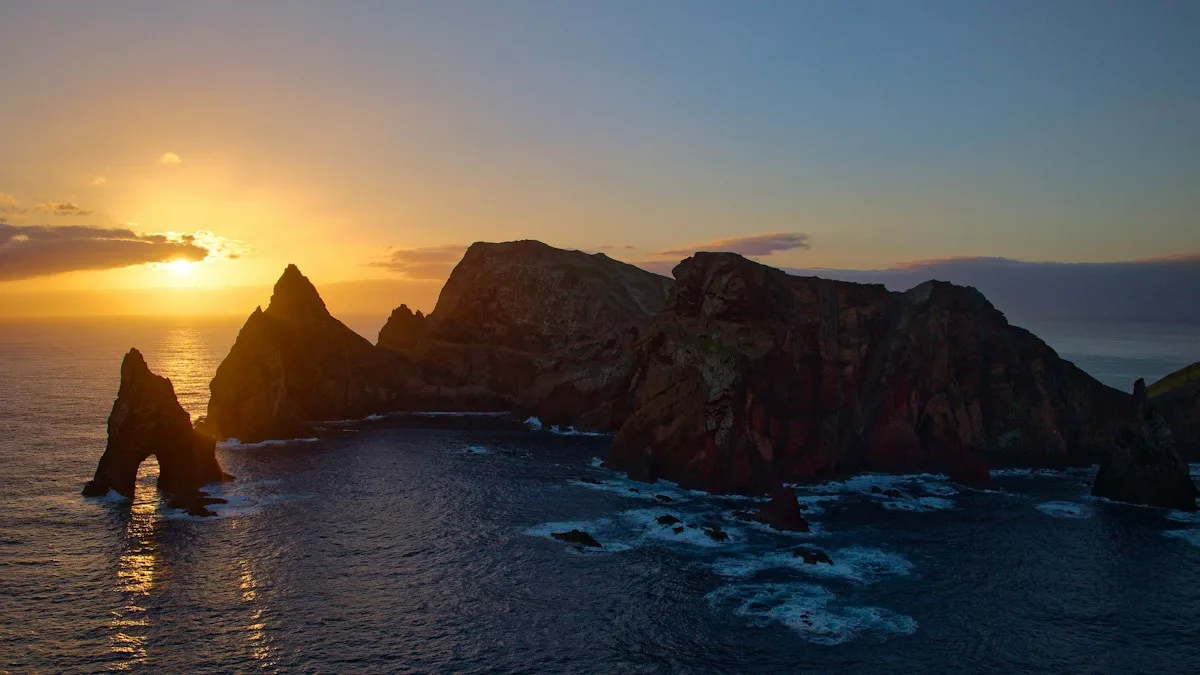
Madeira is one of Europe’s easiest islands to underestimate. The Portuguese Atlantic island combines volcanic cliffs, high mountain ridges, subtropical forest, levada walks, natural pools and a compact capital, Funchal, in a destination that works for a one-week road trip as well as a slower luxury break. This AeroSillage guide is written for English-speaking travellers, with practical flight options from the UK, Ireland and North America, plus the details that matter once you arrive: driving, weather, hiking, costs, where to stay and how long to spend on the island.
Why Madeira works so well for a one-week escape
Madeira’s appeal comes from contrast. In the same trip you can walk through UNESCO-listed Laurissilva forest, watch clouds spill over the mountain ridges, swim in volcanic pools at Porto Moniz and spend an evening in Funchal’s old town. The main island covers roughly 741 km², but steep terrain makes it feel larger than the map suggests.
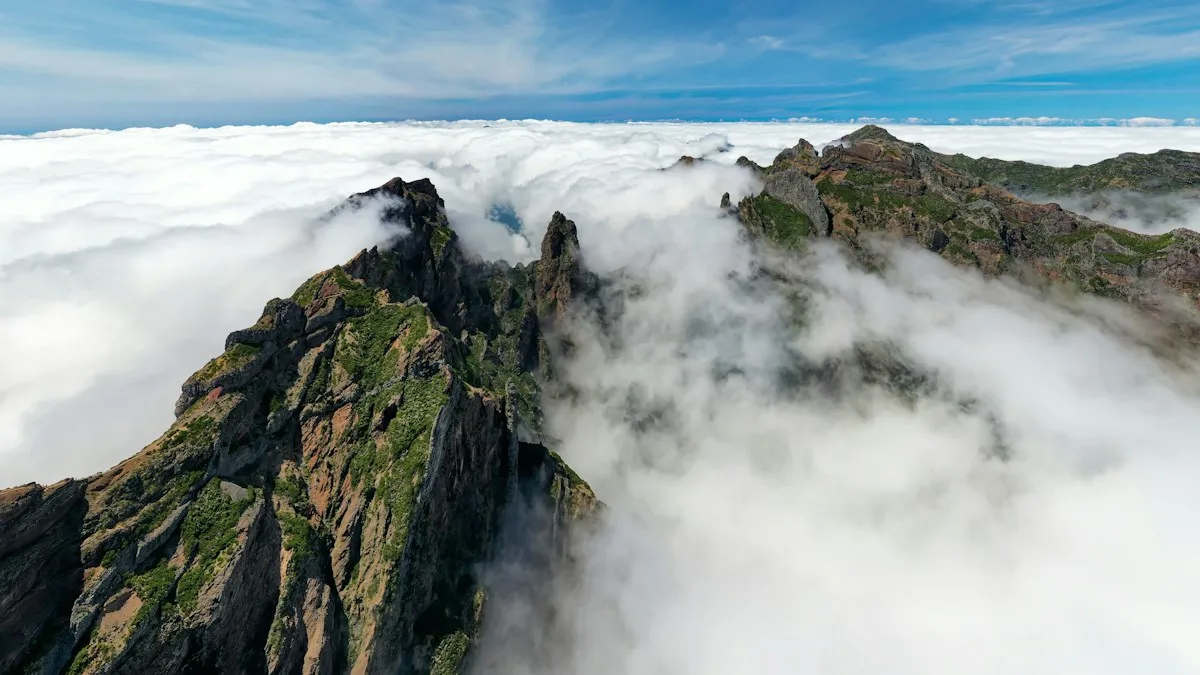
The island is not just a hiking destination. Couples can build a premium stay around boutique hotels, gardens and restaurants; families have cable cars, natural pools and short scenic walks; solo travellers get a compact island with excellent photographic landscapes and plenty of day-trip options.
When is the best time to visit Madeira?
Madeira is genuinely year-round, but the experience changes by season. Spring is strong for flowers and walking, summer brings the driest conditions and the busiest holiday period, while autumn usually offers a good balance of warmth and lower crowds. Winter is particularly attractive to British and Irish travellers looking for mild weather without a long-haul flight.
Microclimates are the key point. Funchal can be bright while the central mountains are covered in cloud. Keep at least one day flexible if Pico do Arieiro, Pico Ruivo or a major levada is important to your trip, and always check the official trail status before setting out.
Flights to Madeira from the UK, Ireland and North America
From the UK
London is one of the easiest gateways. easyJet operates nonstop services from both Gatwick and Luton to Funchal. In October 2026 its fare calendar showed one-way fares from Gatwick from around £22.99 on selected dates before optional extras, with flight times of roughly four hours. Other UK airports also see seasonal Madeira capacity, so it is worth comparing your nearest airport rather than automatically positioning through London.
From Ireland
From Ireland, Lisbon is often the most straightforward connecting point when a nonstop option does not fit your dates. TAP’s domestic Portugal network makes Lisbon–Funchal one of the most natural onward sectors. When comparing itineraries, pay attention to the total connection time rather than just the headline fare.
From the United States
For US travellers, Madeira is more accessible than its Atlantic location suggests. TAP sells New York/Newark–Funchal itineraries, normally via Portugal. At the time of our October 2026 check, return economy fares were being displayed from roughly US$605 on selected dates. For a transatlantic trip, seven to ten nights is a better target than a short break.
From Canada
TAP also markets Funchal from Toronto and Montréal. Recent fare calendars showed Toronto returns from around CAD629 on selected winter dates and Montréal from around CAD750 on selected autumn dates. Fares move quickly, so compare the full itinerary and baggage allowance rather than relying on one search result.
For timing strategy, see AeroSillage’s guide to when to book flights for the best chance of a lower fare where relevant.
Arrival at Funchal Airport
Most visitors arrive at Madeira Cristiano Ronaldo Airport (FNC), east of Funchal. If you are staying in the capital for the first night, a taxi, transfer or airport bus can be easier than collecting a hire car immediately after a late flight. If your itinerary starts outside Funchal, picking up the car at the airport is usually more efficient.
Do you need a hire car?
For a full island itinerary, yes. A car makes it far easier to reach Ponta de São Lourenço, Porto Moniz, Santana, Cabo Girão and trailheads without building the whole day around tours. The caveat is Madeira’s driving environment: very steep streets, narrow access roads, tunnels and tight parking can surprise visitors.
A compact car is often easier than a large SUV. If your plan is Funchal plus two organised excursions, however, you can skip a full-week rental and save both money and parking hassle.
Entry rules and travel documents
Madeira is part of Portugal and therefore follows Portuguese and Schengen entry rules. British, US and Canadian passport holders should check the current Schengen requirements before travel, including passport validity and the 90-days-in-180 rule where applicable. Irish citizens travel under EU free-movement rules and should carry a valid passport or national identity document as applicable.
Money, cards and realistic costs
The currency is the euro. Cards are widely accepted in hotels, restaurants, supermarkets, car-hire offices and major attractions. A small amount of cash is still useful for small cafés, parking or occasional local purchases.
Madeira can be mid-range or very expensive depending on accommodation. Flights and hotels are the biggest variables, with the car as the next major cost. A comfortable seven-night trip for two is best planned as a total package rather than as a list of isolated “cheap” prices. In peak weeks, well-rated hotels and automatic rental cars can become the budget pressure points.
Where to stay
Funchal
Best for a first visit. You get the widest choice of hotels and restaurants, easy access to the airport and a lively evening base. The hotel zone west of the centre is convenient, while the old town is better for atmosphere and walking.
Ponta do Sol and Calheta
Good for a quieter, sunnier stay and for travellers who want a resort feel without being cut off from the island’s road network.
Porto Moniz or Santana
Useful as a second base for one or two nights if you want less driving and more time on the north coast. Splitting a week between Funchal and the north can make the island feel much less rushed.
Six places worth building the trip around
1. Funchal
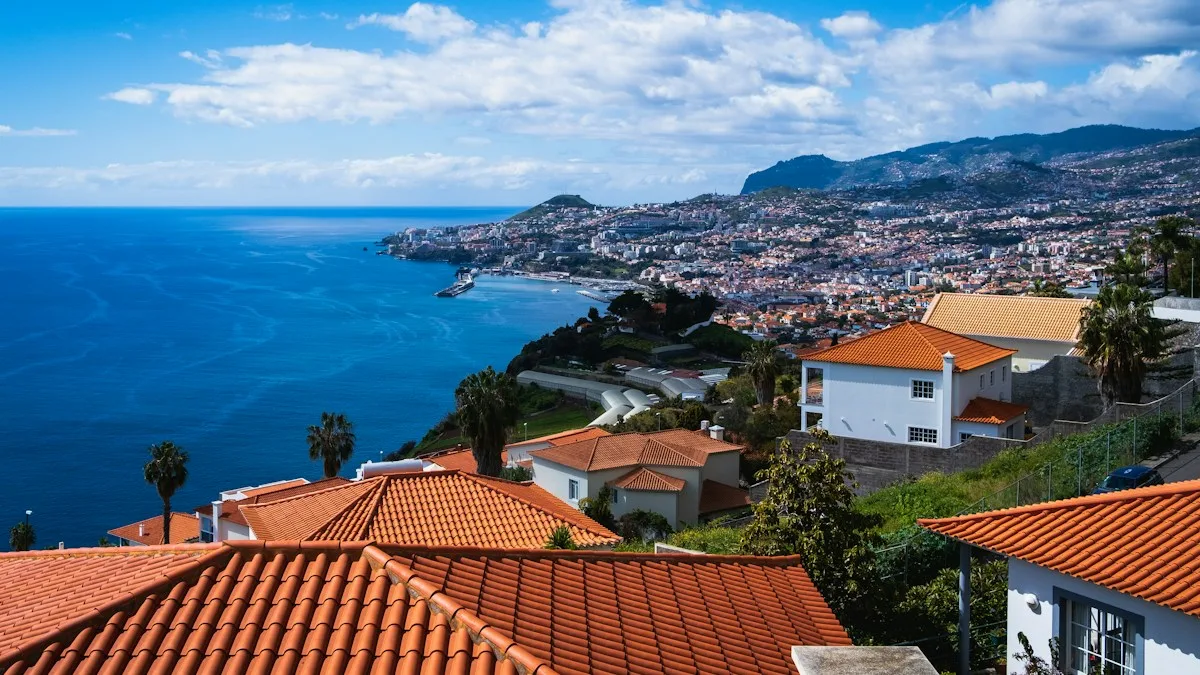
Allow at least one full day for the old town, waterfront, gardens and cable car. Funchal is also the best place to explore Madeiran food, including bolo do caco, espada and local wine.
2. Pico do Arieiro and the high mountains
The cloud-level ridges are among the island’s strongest visual experiences. Weather changes fast above 1,800 metres, so never assume coastal sunshine means good mountain conditions.
3. Ponta de São Lourenço
Madeira’s eastern peninsula is drier, more exposed and more volcanic than the rest of the island. The official tourism board describes the area as a protected natural reserve. The PR8 walk is one of the island’s most recognisable routes. At the time of checking, access to the area carried a €4.50 fee for visitors over 12.
4. Porto Moniz
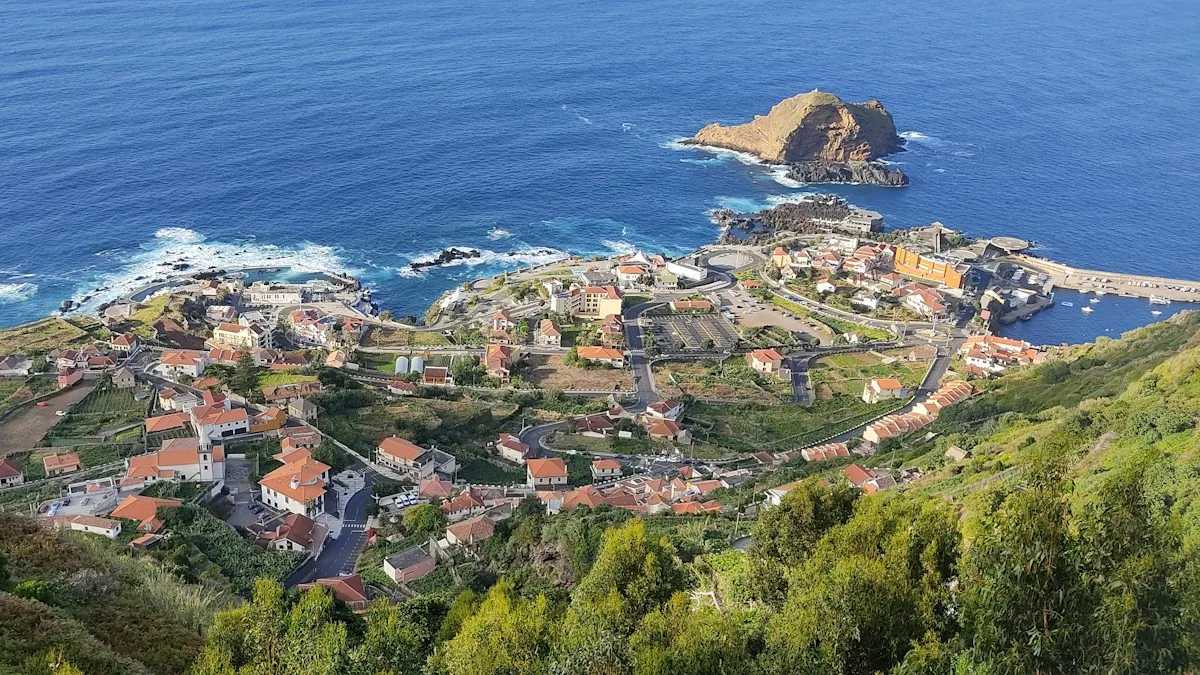
The volcanic natural pools are the headline attraction, but the drive and north-coast scenery are just as important.
5. Cabo Girão
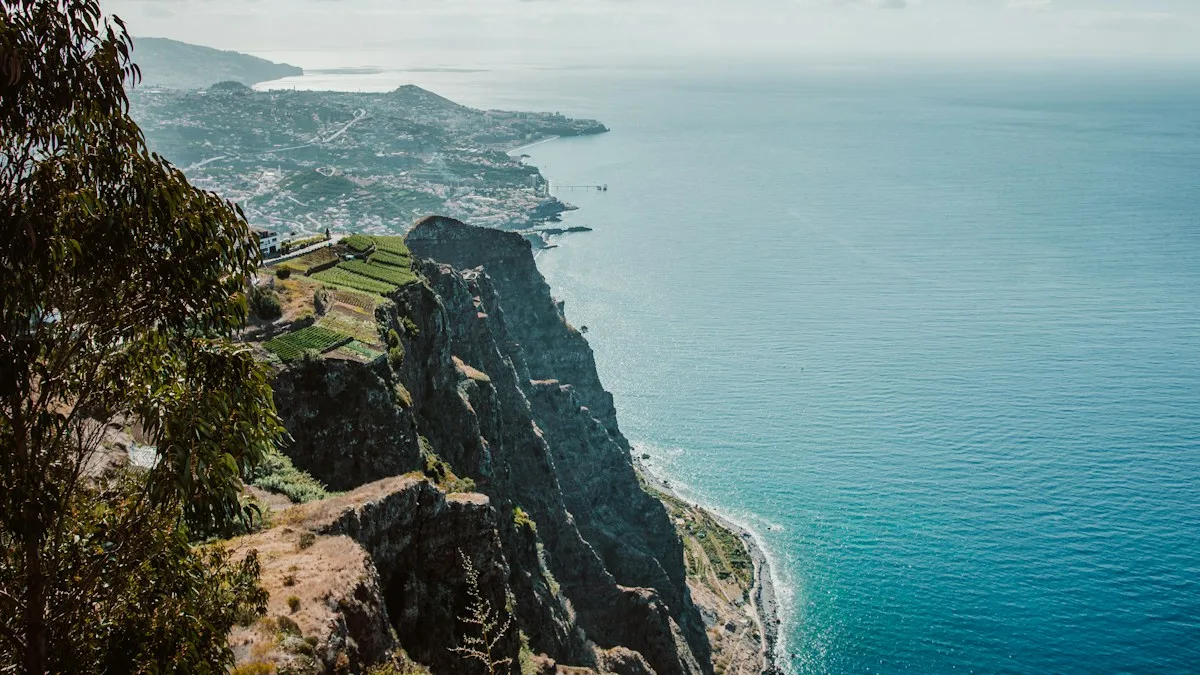
A short stop with a huge payoff: a high cliff viewpoint over the south coast and Atlantic. It fits easily into a west-island driving day.
6. The levadas
These historic irrigation channels have become Madeira’s signature walking network. Choose a route that fits your fitness and comfort with exposure. Trail closures can happen after rain, maintenance or incidents, so check official updates on the day.
Family, couple or solo?
Couples: Madeira is excellent for a scenic hotel, two or three hikes, long lunches and a few slower days around Funchal or the south coast.
Families: keep the programme flexible. Cable cars, gardens, natural pools and short viewpoints work well alongside one or two carefully chosen walks.
Solo travellers: the island is easy to structure independently, but exposed mountain walks still deserve normal hiking precautions and conservative decisions when weather turns.
How long should you stay?
Four nights gives you a taste. Six or seven nights is the sweet spot for a first trip. Eight to ten nights lets you split bases, wait for better mountain weather and enjoy the island rather than simply ticking off viewpoints.
AeroSillage recommendation
For a first visit, we would choose seven nights, five or six days with a hire car, and Funchal as the main base, possibly adding one night on the north coast. The best Madeira trips leave room for weather changes and unplanned stops. Trying to collect every viewpoint usually makes the island feel smaller, not richer.
Sources and checks
Visit Madeira / Madeira Tourism Board; European Union travel guidance; easyJet; TAP Air Portugal; official information for Ponta de São Lourenço and Madeira walking trails. Flight examples and access conditions checked on 3 October 2026 and subject to change.
Photo credits: Colin Watts, Benjamin BEGIN, Martha Dominguez de Gouveia and Dimitry B / Unsplash.