
Ryanair to close Berlin base: seven aircraft relocated, 12 routes cut; 700,000 seats withdrawn across Berlin and Hamburg
Ryanair says its seven-aircraft Berlin base will close on October 24, with 12 Berlin routes cut and 700,000 winter seats withdrawn across Berlin and Hamburg.
Ryanair will close its seven-aircraft base at Berlin Brandenburg Airport on October 24, 2026, the airline reconfirmed on October 8. Berlin faces the loss of 12 routes and a 50% reduction in Ryanair capacity this winter, while a headline reduction of 700,000 seats applies to the airline’s combined operations in Berlin and Hamburg, not Berlin alone.
Seven aircraft assigned to Berlin are to be redeployed to airports elsewhere in the European Union. A base closure is operationally different from withdrawing every service: an airline can continue flying to a city with aircraft and crews based at another airport. Ryanair has said it will continue serving Germany’s capital, albeit with a substantially smaller schedule.
The carrier expects a 50% cut in Berlin capacity for winter 2026 and fewer frequencies on some surviving services. That percentage describes Ryanair’s planned Berlin operation, not total passenger traffic through Berlin Brandenburg Airport.
Twelve Berlin routes removed from the winter programme
The destinations identified by Ryanair are Bologna, Fuerteventura, Gran Canaria, Lanzarote, Marseille, Palermo, Pisa, Reggio Calabria, Tallinn, Thessaloniki, Trieste and Vilnius. Marseille stands out for France-based travellers. The withdrawal of a Ryanair route does not necessarily mean the airport pair will be left without all scheduled flights, since competing airlines may also serve some of these destinations.
Passengers should check the exact status of their reservations rather than assume every flight after October 24 has been cancelled. Depending on the specific circumstances, passengers affected by a cancellation may be entitled to reimbursement or rerouting under EU Regulation 261/2004. An airline’s network announcement is not the same as an individual cancellation notice.
Why 700,000 lost seats is a Germany-wide figure
The airline says it will remove 700,000 winter seats, approximately 10% of its winter 2025 capacity, across Berlin and Hamburg combined. Hamburg faces a reported 5% capacity reduction. Ryanair separately points to growth at Memmingen (+12%) and Cologne (+10%), as well as new winter operations at Friedrichshafen and Saarbrücken.
These contrasting changes are part of a network reallocation: Ryanair is reducing exposure at two airports while growing or launching services elsewhere in Germany. The figures should not be presented as a national withdrawal or as 700,000 seats lost at Berlin alone.
Closing a base changes crew positioning and maintenance arrangements even when an airport retains services operated by aircraft based elsewhere. Passengers should check their individual route and flight schedule: the 700,000-seat reduction covers Berlin and Hamburg together and cannot be treated as a Berlin-only figure.
Ryanair attributes its decision to Germany’s air passenger tax and the combined costs of airport operations, security and air traffic control. It claims Berlin airport charges have risen by more than 50% since 2019. These are the airline’s stated arguments in a dispute over aviation costs, rather than independently demonstrated explanations for every change in demand or airport performance.
Aircraft based in low-cost networks can be redeployed relatively quickly. That flexibility gives carriers leverage when comparing airport costs, but any prediction about future fares, tourism or jobs would require further evidence. The Berlin decision is therefore significant both for local connectivity and for the broader competition among European airports.
The most useful next steps are to verify booked flights, review the revised winter schedules and compare routes offered by other operators. Berlin Brandenburg remains on Ryanair’s network. What changes is how many aircraft it bases there, the destinations available and the frequency of retained services.
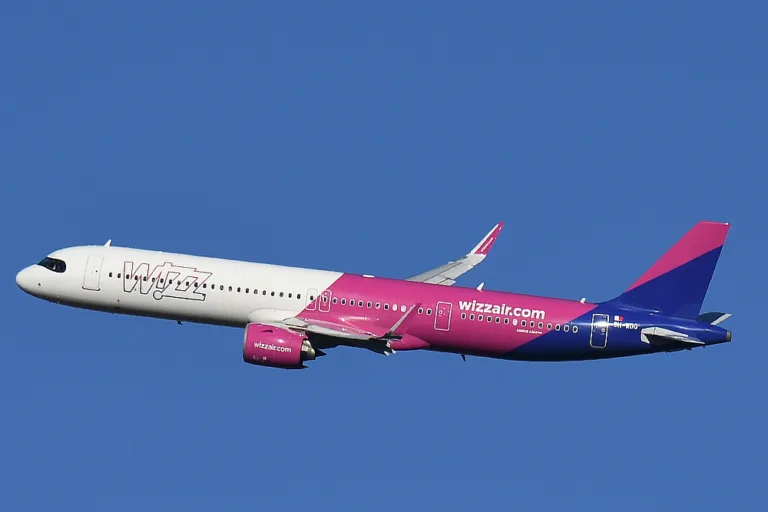
The Berlin decision also illustrates how European low-cost carriers redistribute capacity between airports. For a complementary perspective, see our analysis of Wizz Air and Ryanair’s search for European expansion opportunities.
Primary source: Ryanair’s October 8, 2026 statement. For passengers: check the booking and the airline’s updated timetable before travel.
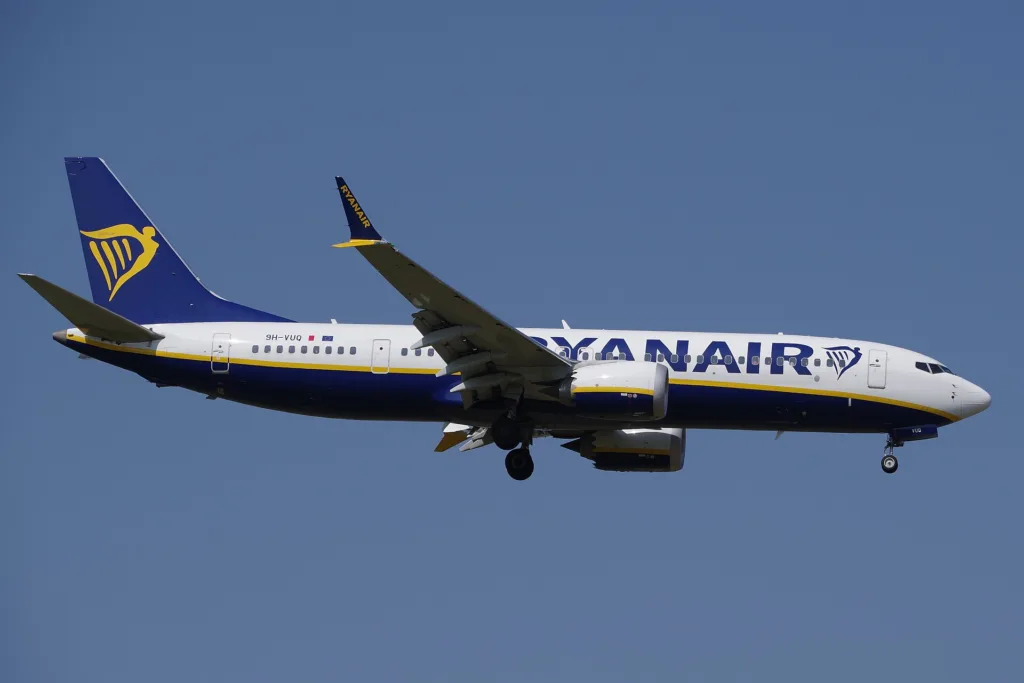
Archive image: Ryanair Boeing 737 MAX 8-200 near Berlin, August 2024. André Gerwing / Wikimedia Commons, CC BY-SA 4.0. The image does not depict the closure itself.

JOIN THE CONVERSATION
Let’s discuss this story.
A question, a clarification or a different perspective? Share it with us.