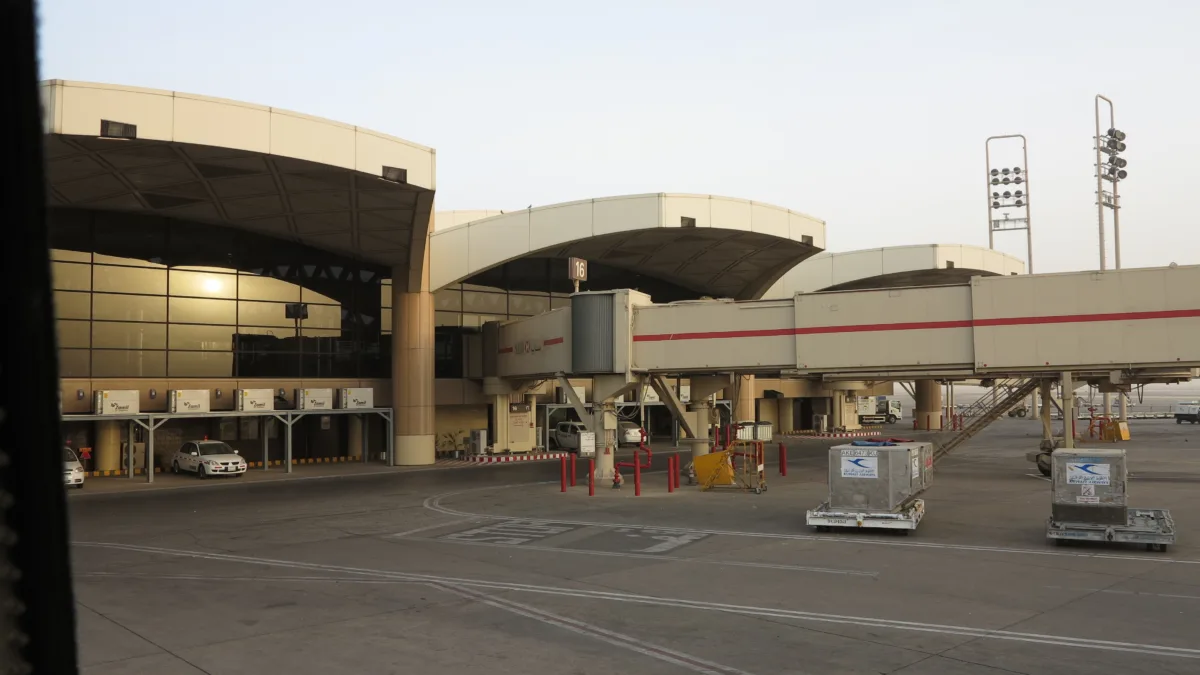
A missile strike reported against Saudi Aramco’s headquarters in Dhahran on Wednesday, 14 October 2026, has added to the security pressure facing Saudi Arabia. The Associated Press reported that Yemen’s Houthi rebels claimed the attack, which damaged the upper floors of the building. No casualties were immediately reported in that incident. Dhahran is not Riyadh: the latest strike must not be mistaken for a fresh hit on King Khalid International Airport.
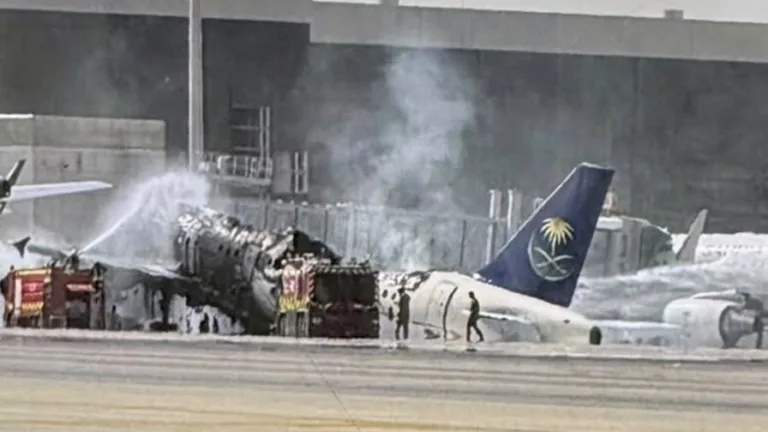
The distinction matters because Riyadh’s main airport was already the scene of deadly attacks. According to initial accounts carried by AP, the 10 October strike killed twelve people and injured more than 300. That initial toll later changed: Reuters reported on 11 October that a wounded victim had died, bringing the reported death toll from that attack to thirteen. This later death should not be counted twice. A further projectile struck a passenger terminal the following day, killing another person and injuring several others. Those figures relate to the earlier airport attacks, not to the 14 October incident in Dhahran.
Why airlines remain exposed to disruption
A strike away from an airport does not necessarily trigger a flight cancellation. Yet a sustained missile and drone threat can lead airlines to reassess routes, alternate airports, operating times and their own exposure to risk. Reuters reported on 13 October that Qatar Airways had temporarily suspended its services to Riyadh and Dammam amid the attacks and security concerns.
An airline’s decision to halt services should not be confused with a nationwide airspace closure. Actual restrictions may differ from one route and operator to another. Even when an airport resumes operating, aircraft and crews displaced by previous disruption can delay the return of a full timetable.
Passengers with imminent travel should therefore check the operating airline’s latest flight status rather than assume that the publication of an airport reopening notice means their particular departure will operate. Rebooking and rerouting arrangements depend on the carrier and itinerary.
Airline disruption can extend beyond an airport directly struck. Changes to usable corridors may lengthen flight times, affect crew duty limits and disrupt later rotations, with consequences differing by operator and route. A reported strike in Dhahran should therefore not be taken as evidence of a blanket closure of Saudi airspace.
An attack away from an airport can still influence airline operations through revised security assessments, diversion planning and insurance conditions. Yet it would be misleading to attribute every schedule change to the Dhahran incident. Specific flight disruption should be linked to an identifiable restriction or operational decision, not inferred solely from the wider security situation.
What is established — and what is not
The reported new event on 14 October concerns Aramco’s premises in Dhahran. The available reporting does not establish a new successful strike on Riyadh airport on that date, nor a fresh airport casualty toll or an additional blanket suspension of flights. The potential consequences for aviation are an assessment of the continuing security environment, not a claim that a new operational order has been issued.
For the initial attack on King Khalid International Airport, see AeroSillage’s earlier report on the 10 October strike.
Sources: Associated Press, 14 October 2026, Dhahran Aramco strike; Associated Press, 11 October 2026, second airport attack; Reuters, 13 October 2026, flight suspensions.
Leave a Reply