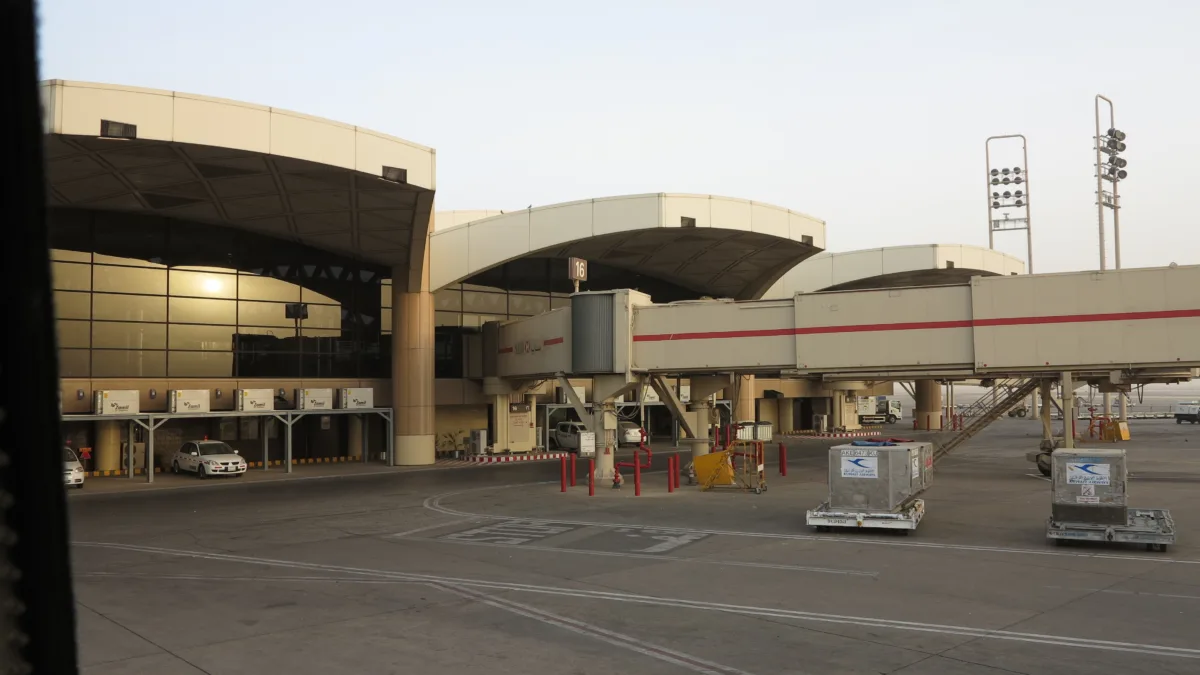
A fresh attack on King Khalid International Airport in Riyadh on Saturday, October 10, 2026, killed 12 people and injured 309, according to Saudi Arabia’s General Authority of Civil Aviation (GACA). Authorities temporarily suspended airport operations while emergency teams assessed damage and checked the safety of facilities. The latest strike follows a series of assaults on Saudi aviation infrastructure.
Victims from eight countries
The official breakdown identifies four Saudi nationals, two Bangladeshi nationals and one person each from the United States, Egypt, Jordan, Syria, Palestine and Sudan. Some of the injured were in critical condition, according to GACA figures carried by Saudi media on October 11. The official toll may be updated as hospitals and investigators provide more information.
The authority reported material damage, although its full extent was still under assessment. Subsequent reporting on Sunday described damage involving passenger-terminal facilities. Pictures circulating online should not be treated as proof of the location, timing or scale of the impact unless independently verified.
Flights and connections: what travellers need to check
Riyadh-bound and departing services were affected by the security suspension, with cancellations and diversions reported. Flight schedules may change quickly as safety inspections continue. Travellers should verify their flight directly with the operating airline and official airport channels before travelling to the terminal; a ticket confirmation alone does not establish that a flight will operate.
If a flight is cancelled, passengers should preserve notifications, receipts and records of essential expenses. Available refund, rebooking and care arrangements depend on the itinerary, airline and applicable passenger-rights rules. Security incidents may affect compensation entitlements, but those issues need to be distinguished from the carrier’s separate obligations to assist affected passengers.
How this attack differs from the earlier Saudia aircraft fire
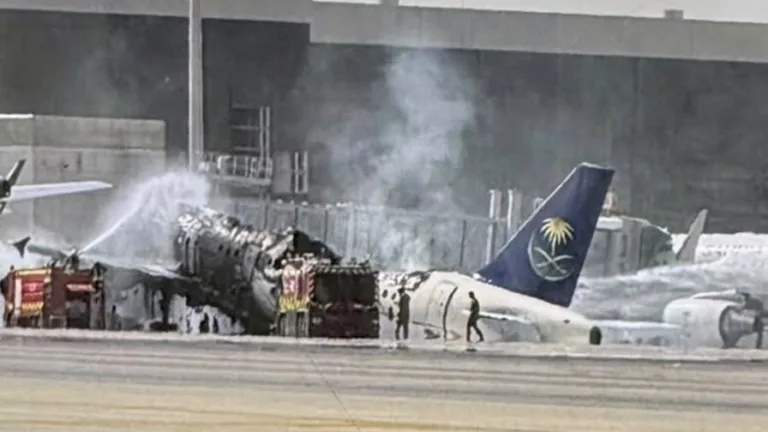
The October 10 event is not the same as the October 8 assaults, which damaged a Saudia aircraft on the ground and caused separate fatalities. Keeping the incidents distinct matters for understanding the chronology and avoiding inflated or duplicated casualty totals.
The figure of 12 deaths and 309 injuries reflects an official count at a particular point in time, not a final consolidated toll across subsequent attacks. Casualties from later incidents need to be tracked separately and reconciled with updated official statements to avoid double counting. For passengers, the suspension itself does not establish a reopening time: safety inspections, airport infrastructure and crew availability also determine when flights can resume.
Yemen’s Houthi movement has claimed earlier strikes and issued renewed warnings about flights to Saudi airports. Responsibility for each individual incident should be attributed carefully, separating claims made by parties to the conflict from evidence established by independent investigators.
A fast-moving security situation
Reports dated October 11 describe further security developments around Riyadh airport. Those reports must not be folded into the confirmed October 10 casualty count without a new official breakdown. The priority for travellers is verified operational guidance, not speculation about reopening times or routes.
Illustrative image — reconstructed scene.
Related AeroSillage coverage: Earlier Riyadh airport attacks and damage to a Saudia aircraft.
Sources: Saudi GACA statement reported by Saudi Gazette, October 11; Reuters, October 10; Associated Press, October 11.
Leave a Reply