
Montreal gains new nonstop links to Europe and Africa
Montreal is expanding its nonstop network to West Africa, North Africa and Europe while Saint-Hubert develops as a second passenger airport for the metropolitan area.

Montreal’s airport map is being redrawn in two ways at once: new nonstop destinations are bringing parts of Africa and Europe closer to Quebec, while a second metropolitan airport is preparing to handle more scheduled passengers. For travellers, the benefits will depend not only on the destinations added, but on which airport their flight uses and how well the wider network connects.
New links, different reasons to travel
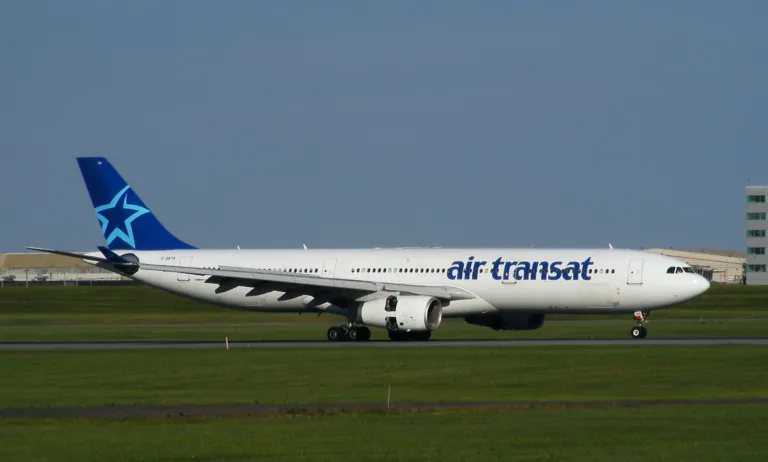
Air Transat launched Montreal–Dakar service in June 2026, creating a direct link between Quebec and Senegal. The route reduces reliance on European hubs for some West African journeys and also serves strong family, diaspora and business travel demand. A nonstop flight does more than shorten an itinerary: it can remove an extra connection, reduce baggage-transfer complications and make shorter visits more practical.
Montreal already had significant traffic to Morocco, but the new Agadir route opens direct access to the country’s Atlantic south without requiring a connection through Casablanca, Paris or another hub.
Air Transat’s Reykjavík service adds a different type of option: a leisure destination in its own right and a northern gateway that complements Montreal’s dense links to France, the UK and continental Europe.
Planned service to Istanbul gives passengers access not only to Türkiye but also to a major connecting hub for the Middle East, Africa, Central Asia and South Asia.
Two airports, two different travel decisions
Passenger expansion at Montréal Metropolitan Airport in Saint-Hubert creates a second commercial platform for Greater Montreal. YUL remains the main international gateway, while Saint-Hubert can absorb selected domestic and regional services. That difference matters for passengers booking connections: a change of airport is not the same thing as a protected airside transfer. Travellers need to check the actual departure airport and ground-transport arrangements rather than assume that all Montreal flights use Montréal-Trudeau.
A new nonstop route is valuable only in the context of its frequency, operating season and total journey time compared with a connecting itinerary. The prospect of a second Montreal-area passenger airport also makes ground access important. Travellers should check the actual departure airport before treating two offers as directly comparable.
Montréal-Trudeau is simultaneously undergoing major capacity and access works. A richer route network therefore comes with a period of construction and operational adaptation for passengers.
The biggest change is not simply the number of routes. It is the reduction in forced connections for several markets and the prospect of more airline and airport competition within the region. More point-to-point flying can be particularly valuable for families, tourists and travellers carrying baggage, but passengers should still compare frequency, seasonality, arrival times and whether the route operates year-round before treating a new destination as a permanent alternative.
Air Transat; Aéroports de Montréal; Montréal Metropolitan Airport; airline schedules and announcements published in 2026.
Related: Québec in winter: flights, snow, budget and where to go, for practical travel context around one of the region’s major leisure markets.
Read next


JOIN THE CONVERSATION
Let’s discuss this story.
A question, a clarification or a different perspective? Share it with us.