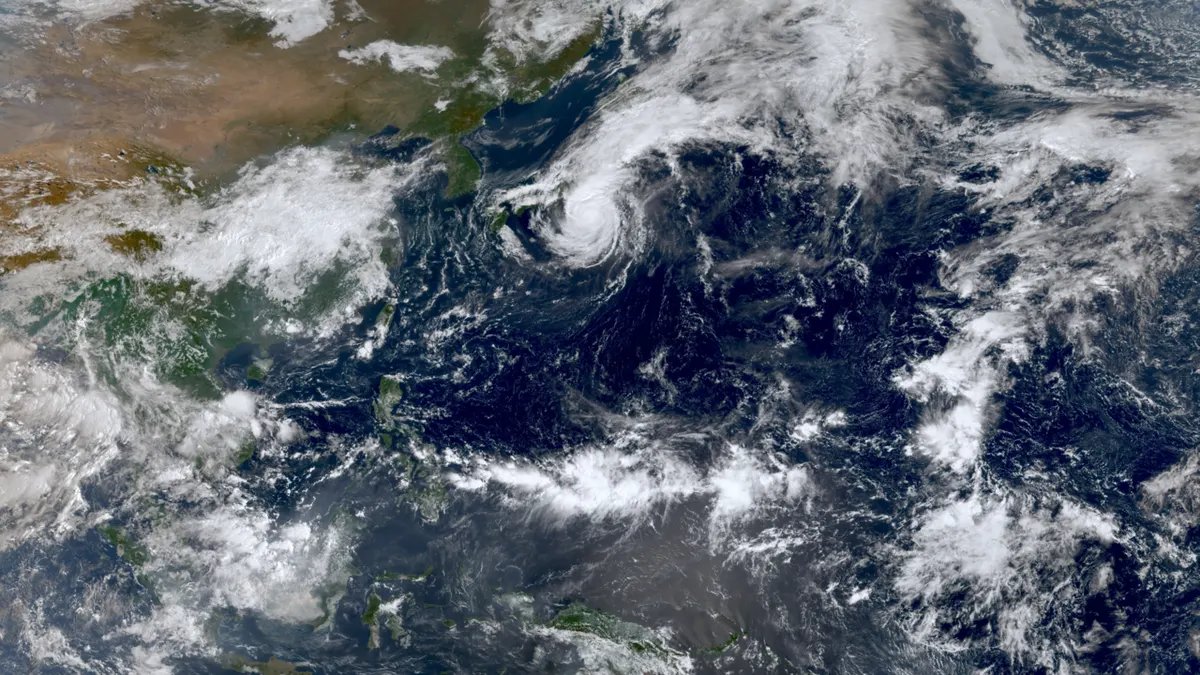
Typhoon Dujuan disrupted air travel across eastern Japan on September 21, 2026, with Tokyo Haneda and Narita among the main pressure points. Airline schedules were cut as the storm brought heavy rain and strong winds toward the Kanto region.
Updated October 2, 2026: the article now reflects confirmed airline cancellation figures and the storm’s subsequent track.
More than 250 ANA and JAL cancellations by the morning
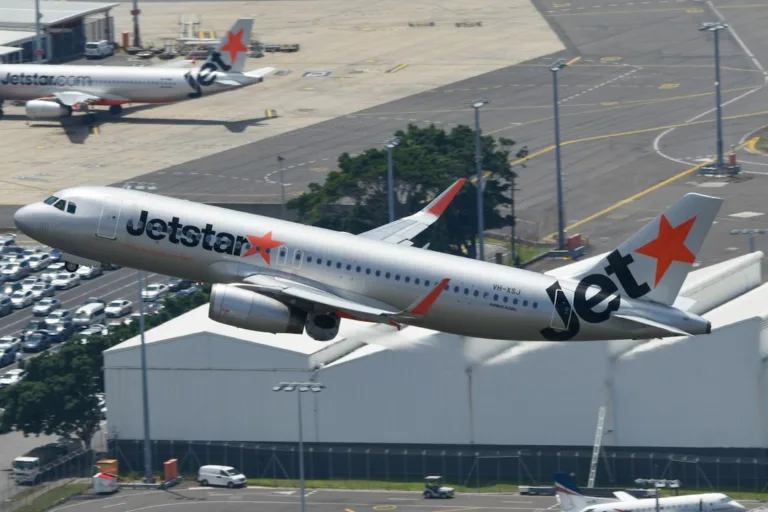
Japanese broadcaster TBS reported that by 09:30 local time on September 21, ANA and Japan Airlines had cancelled more than 250 flights linked mainly to Haneda and Narita operations. Jetstar Japan had separately cancelled 42 Narita services.
ANA’s own operational notices warned of disruption at Haneda, Narita, Hachijojima, Shizuoka and later Nagoya Chubu, while eligible passengers were offered fee-free changes or refunds even on some services that had not yet been formally cancelled.
Why Tokyo disruption spreads across Japan
Haneda is the backbone of Japan’s domestic network, while Narita is a major international gateway. When both airports lose capacity, disruption spreads far beyond Tokyo because aircraft and crews fail to reach their next sectors and domestic connections are broken. Weather-led disruption can also cascade into crew and aircraft constraints, as seen in the Virgin Australia disruption affecting more than 30,000 passengers.
The storm moved away after crossing the Tokyo region
Storm-tracking data showed Dujuan moving north-east of Japan after affecting the Kanto area. By September 22 and 23 the system was moving farther into the Pacific and weakening, reducing the direct aviation threat to Tokyo.
The weather impact, however, did not end the moment the cyclone moved away. Airlines still had to recover displaced aircraft, crews and passengers from a large cancellation programme.
Why weather waivers matter
Japanese airlines frequently activate flexible-ticket measures before the final cancellation decision. That allows passengers to change or refund eligible bookings without waiting for the flight itself to be cancelled, which can reduce last-minute congestion at airports.
Passenger takeaway
During a typhoon, the airline’s own operational page is more useful than a generic airport-status display. A long-haul flight may still operate while a domestic connection is cancelled, and the reverse can also occur.
Sources
Japan Meteorological Agency; ANA; Japan Airlines; TBS News DIG; Reuters; GDACS/JTWC storm-track data.
Leave a Reply