
Heathrow’s two runways are full. What will expansion cost Britain?
Heathrow handled 62.9 million passengers in the first nine months of 2026, as airlines faced tight runway capacity. The third-runway debate now turns on cost, connectivity and the communities around the airport.
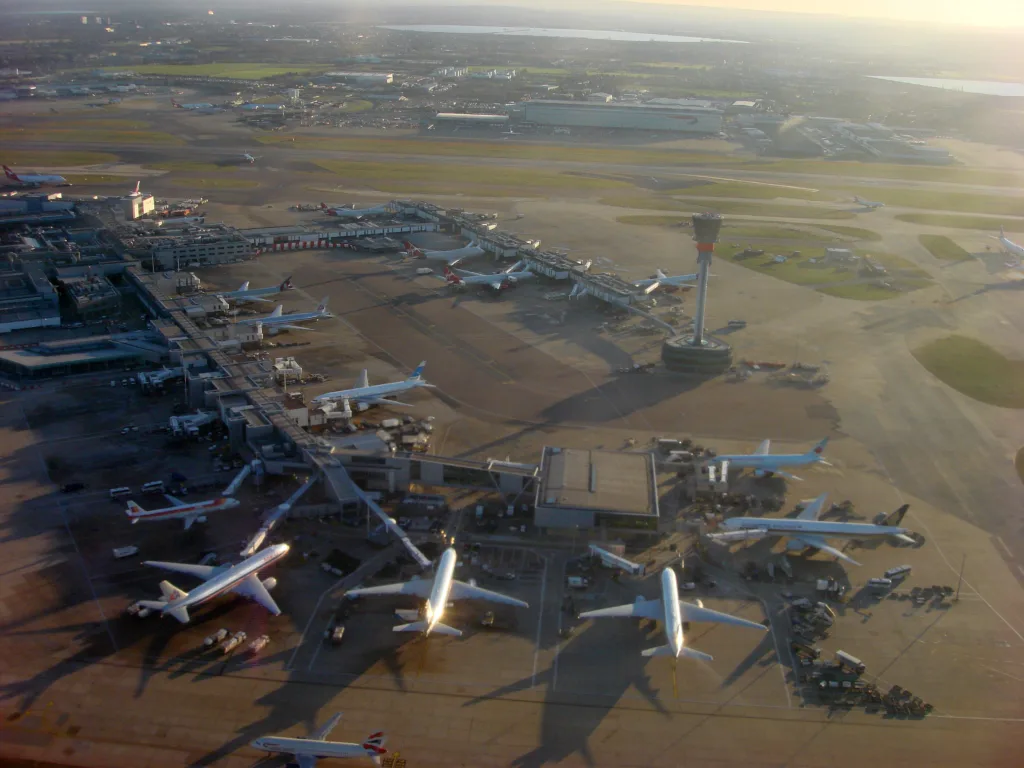
Heathrow handled 62.9 million passengers in the first nine months of 2026, but Britain’s biggest airport is struggling to add flights to the two runways it already operates. The figures, published by Heathrow on 21 October, show traffic slipping from 63.3 million a year earlier even as the airport presses for a third runway. For airlines seeking new slots, exporters relying on long-haul services and passengers making connections through London, the argument over expansion is becoming a question of how much more the existing airport can deliver.
On 2 August, 272,000 people travelled through Heathrow, the busiest day in the airport’s history. That did not translate into growth across the year. Passenger numbers for January to September were 0.6 per cent lower than in 2025. The contrast is striking: Heathrow can manage a record day without finding room for sustained traffic growth.
Few British airports can offer a comparable network. Heathrow’s nine-month operating report lists more than 100 long-haul destinations served during the summer, 68 of them unavailable from any other UK airport. A traveller starting in a regional city may still depend on Heathrow to reach markets in Asia, Africa or the Americas. That brings global reach, but also concentrates much of the country’s long-haul connectivity at one airport.
Heathrow’s two runways leave airlines fighting for slots


Runway capacity shapes almost every commercial decision at Heathrow. There were 349,800 passenger-aircraft movements between January and September, compared with 356,300 a year earlier. The reported average was 221.7 seats per movement, while seat occupancy climbed from 80.2 to 81.1 per cent. More passengers can be carried by each flight as airlines fill aircraft or deploy larger ones. Neither change gives a new entrant a take-off slot at the time it wants.
Heathrow says more than 40 airlines want access or additional slots. That figure describes demand for access, not 40 routes ready to launch. A Heathrow slot is therefore an advantage that an established airline can defend but a newcomer cannot simply request from the airport. The scarce timings can determine whether a new service is commercially possible. That affects the routes passengers can choose and the opportunities for new carriers to challenge incumbents.
Inside the terminals, the performance figures are more mixed. According to Heathrow, 98.5 per cent of passengers met its security performance standard in the first nine months, up from 97.2 per cent in 2025. Reported punctuality stood at 78.4 per cent for arrivals and 78.1 per cent for departures. Baggage connections slipped from 98.8 to 98.4 per cent. These airport-level measures describe a system that can process considerable demand, while leaving plenty of scope for disruption to individual journeys.
Cargo and regional routes make Heathrow a national issue
Heathrow handled 1.193 million tonnes of freight in the first nine months of 2026, an increase of 1.6 per cent. Much of the cargo moves beneath the passengers on long-haul flights. The airport says it accounts for more than three-quarters of UK air cargo by value. High-value exports frequently travel in the holds of long-haul passenger aircraft; the economics of carrying passengers also helps sustain the freight network. A constrained hub can therefore affect a manufacturer or specialist exporter who never buys a plane ticket.
Regional Britain gains connections through Heathrow, though not always on the terms it would prefer. A well-connected London hub provides access to destinations that might not sustain direct services from Manchester, Birmingham or Edinburgh. It can also pull demand towards the capital, making regional long-haul growth harder. The practical issue for domestic connections is not simply a promise to serve the regions, but whether suitable Heathrow slots and commercially viable schedules remain available.
Winter brings some movement within those limits. Heathrow’s October announcements highlighted six new routes and two airlines joining its winter timetable. For travellers, individual additions can be significant. For the airport, they are adjustments within an established network, not the opening of a new bank of runway slots. One carrier’s expansion may come at the expense of a different service or schedule.
The third runway carries costs far beyond the airfield
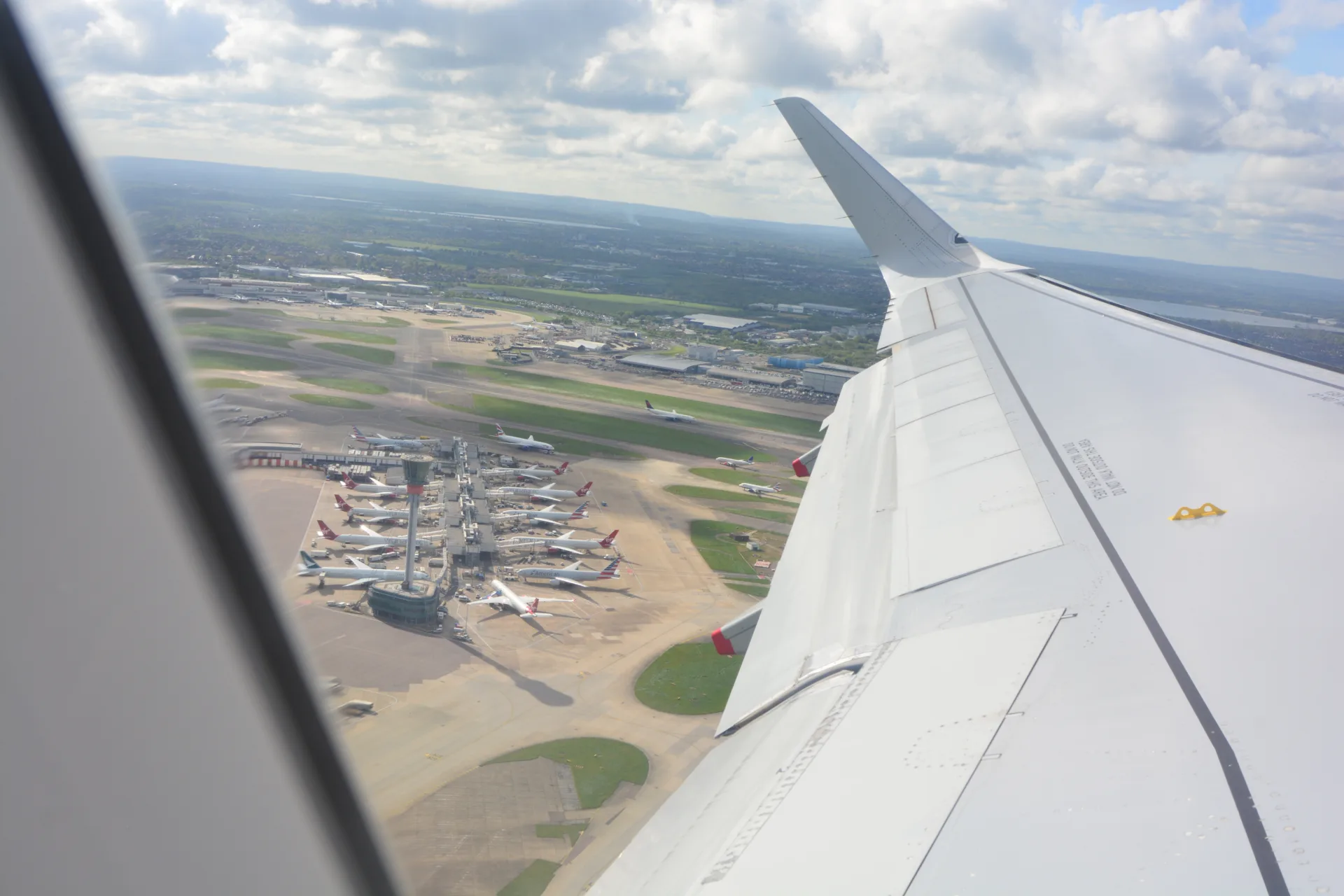

Heathrow’s preferred answer is a third runway. The operator has argued that expansion could support 108,000 jobs and additional trade. A separate local economic assessment envisages at least 50,000 jobs in nearby communities by 2055, including opportunities linked to construction. These are forecasts for different periods and groups, not jobs already created. Their value to the public debate depends on the assumptions behind them as much as the headline totals.
Beyond the proposed runway lie the expensive, disruptive pieces that make it usable: terminal capacity, road and rail access, changes to airport land and the wider airfield. Nearby communities face the prospect of altered flight paths, noise and pressure on local transport. Airlines must decide whether added capacity would justify the charges needed to pay for it. A larger airport could bring more flights, but it would also leave lasting physical changes around west London.
The operator has described a £33 billion privately financed programme. Private funding would still have to be recovered through a regulated airport business. Heathrow is a regulated airport, and the Civil Aviation Authority oversees the framework for the charges airlines pay. The level of allowable returns and the financing arrangements will matter to carriers assessing the price of operating there. Political support can help an expansion plan progress, but it cannot settle those questions.
£33bn expansion plans meet Heathrow’s existing debt
Heathrow recorded £2.684 billion in revenue between January and September, 0.7 per cent less than a year earlier. Adjusted EBITDA fell 6 per cent to £1.441 billion, while adjusted operating costs rose 6.2 per cent. Heathrow pointed to lower aeronautical charges alongside higher business rates, staffing and technology costs. Its board also approved a £200 million dividend for external shareholders, paid in October.
At 30 September, Heathrow (SP) Limited reported £16.459 billion in consolidated nominal net debt. The broader Heathrow Finance plc measure was £18.163 billion, while Heathrow’s regulatory asset base stood at £21.956 billion. The figures cover different corporate structures, so they cannot be added together. They show why the proposed financing plan, future revenues and regulatory settlement deserve as much scrutiny as any engineering design.
Airlines already respond to changes in demand by shifting aircraft and retiming services. Fleet availability, international traffic rights and Heathrow’s scarce slots limit how far they can go. The airport depends heavily on maintaining enough international services to keep connections attractive in both directions. A new runway might change that balance over time. Until then, Heathrow must persuade airlines to keep investing in routes within the present constraints.
What comes next for Heathrow’s passengers and neighbours
The next test lies in Heathrow’s detailed proposal: the environmental evidence, responses from local communities and a financing plan that airlines and regulators can examine. Heathrow said on 21 October that public consultation would begin the following week. Consultation is a step in planning, not a date for construction or opening. Residents, airlines and passengers will be asking different questions, but all will be affected by the answers.
Passengers may eventually gain more routes or competing services if Heathrow secures new capacity. Cheaper fares are less certain: they depend on airline competition, demand and airport charges. In the nearer term, punctual departures, bags that make their connections and a workable journey to the airport may count for more than a distant promise of another runway.
For an airline denied the slot it wants, another runway promises a way in. For a family beneath a future flight path, it brings a different calculation. Heathrow has already shown it can handle 272,000 people in a day. What it has yet to establish is who will pay for the extra capacity, and what those living around the airport will be asked to surrender.
Read next

JOIN THE CONVERSATION
Let’s discuss this story.
A question, a clarification or a different perspective? Share it with us.