
First time in Tokyo: the city is nothing like the version you thought you knew
Shibuya, Senso-ji, Shinjuku, Meiji Jingu, Haneda or Narita, transport, budget and Mount Fuji: a first-timer’s guide to Tokyo.
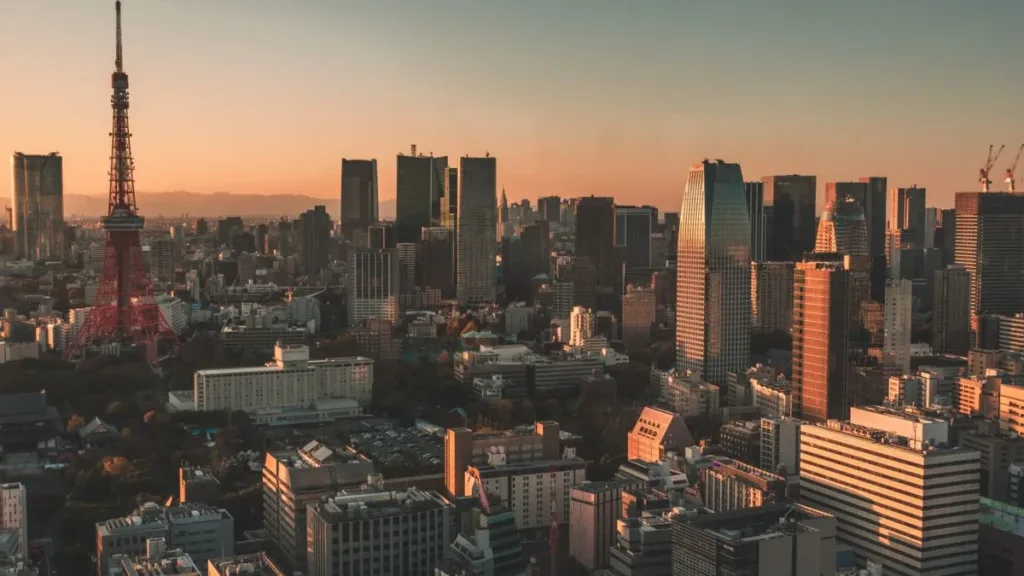
Tokyo is one of those places people arrive in carrying years of borrowed memories.
You have seen Shibuya Crossing before you ever stand there. You know the outline of Tokyo Tower. You expect vending machines, immaculate trains, neon canyons, tiny restaurants and streets that look as though they belong in a film.
Then the aircraft doors open, you reach the city and Tokyo starts quietly dismantling the picture you had built.
The surprise is not that Tokyo is huge. Everyone knows that. The surprise is how intimate it can feel.
A railway station used by hundreds of thousands of people can sit a few minutes from a residential lane where almost nobody is speaking. A shrine disappears into woodland beside one of the world’s most fashion-conscious districts. Restaurants that seat eight people coexist with department stores occupying entire city blocks.
Tokyo makes much more sense once you stop trying to see it as one city.
For a first visit, six to eight days is a useful starting point. It gives you enough time to experience several different Tokyos rather than spending the entire trip moving from landmark to landmark. Stay longer and the capital also becomes an excellent base for excursions towards Mount Fuji, Kamakura or Nikko.
Start with the Tokyo you came expecting
There is nothing wrong with making Shibuya your first big introduction.
The crossing is famous for a reason. When the traffic stops and pedestrians begin moving from every direction, it feels like a carefully choreographed piece of urban theatre. Yet the crossing itself is only a few seconds long.
Shibuya becomes more interesting when you keep walking. Go upwards and the scale of the city becomes obvious. Stay at street level and the neighbourhood breaks into smaller worlds of restaurants, music, fashion, gaming and narrow side streets.
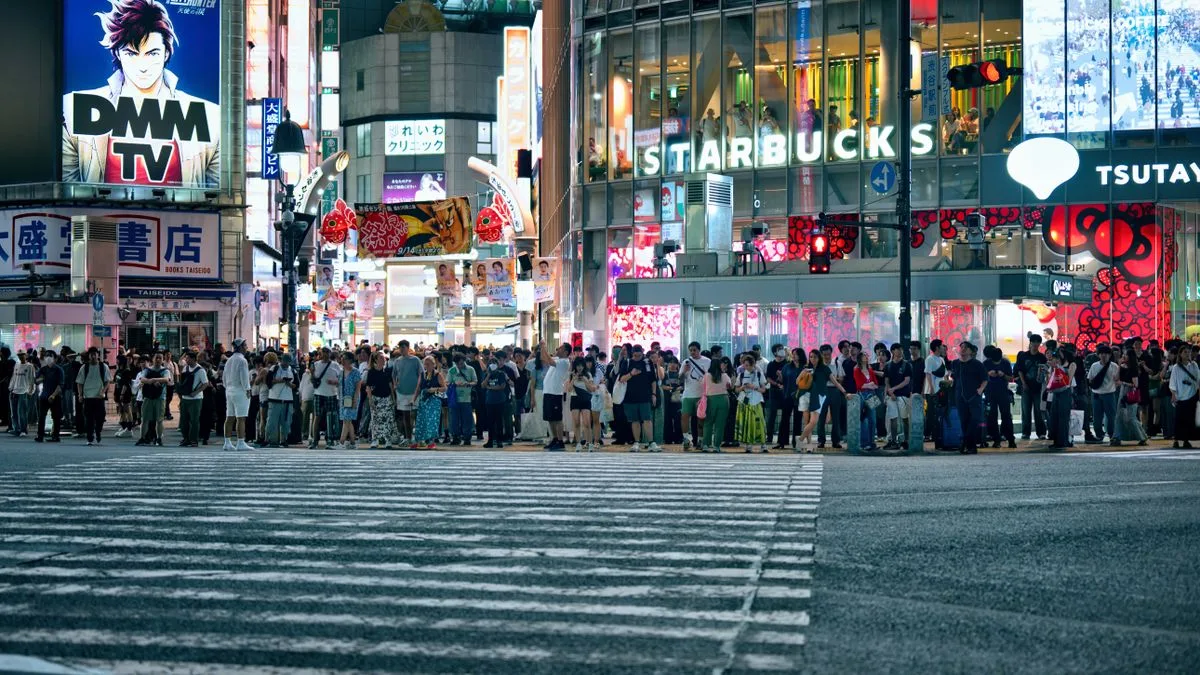
From there, Tokyo can change character in a matter of minutes.
At Meiji Jingu, the noise drops away after you pass beneath the huge torii and begin walking through the forest. Harajuku is close enough to remind you that you are still in central Tokyo, yet the approach to the shrine feels deliberately removed from the city around it.
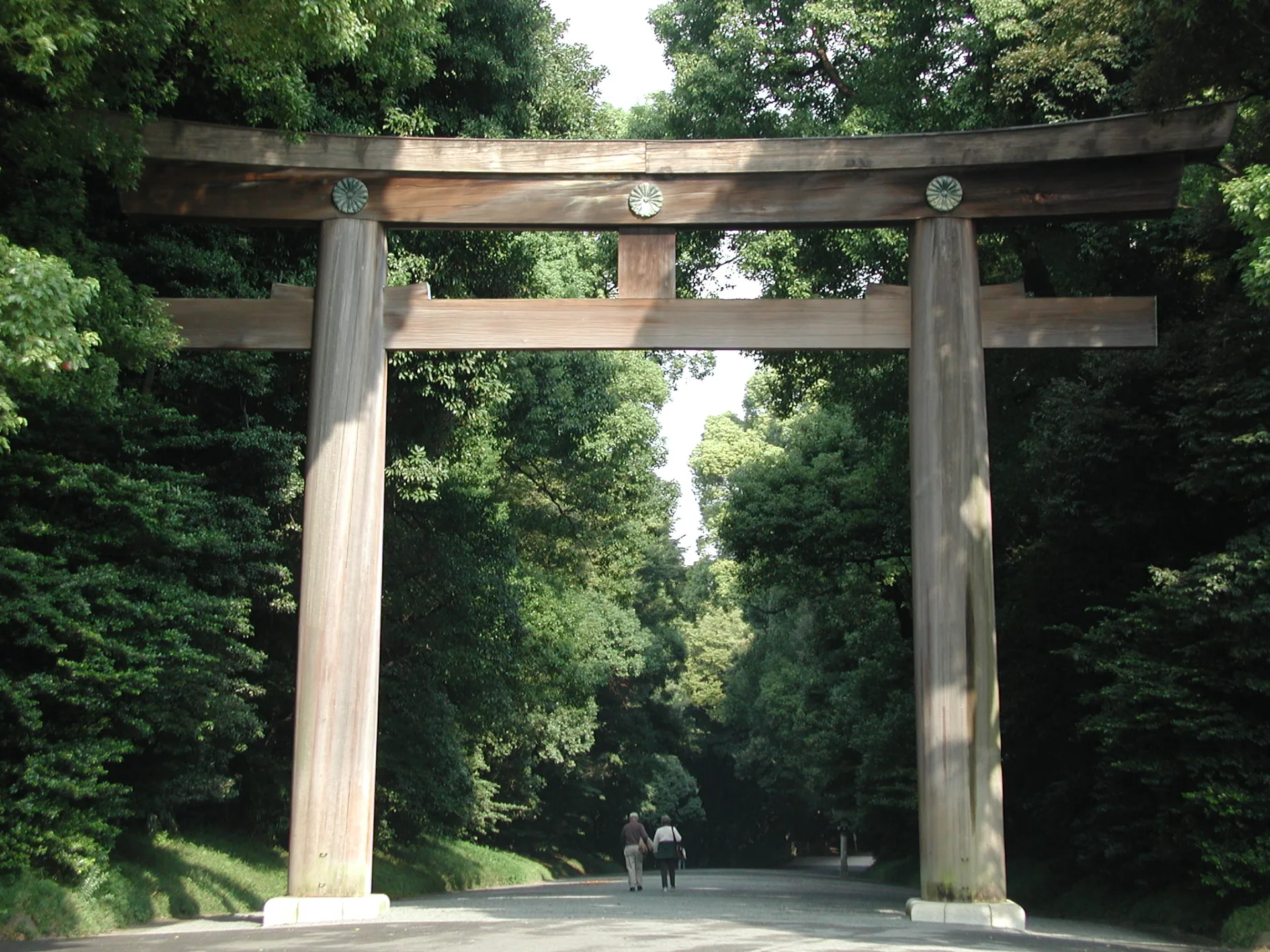
That contrast is one of the keys to understanding Tokyo. Tradition and modernity are not two separate attractions here. They occupy the same neighbourhoods.
Asakusa gives the city a past
If possible, visit Sensō-ji before the crowds build.
Later in the morning, Nakamise-dori becomes busy with visitors, snacks, souvenir shops and people wearing rented kimono. It can be lively and unapologetically touristy. Earlier, the great gates, lanterns and temple buildings have a different presence.
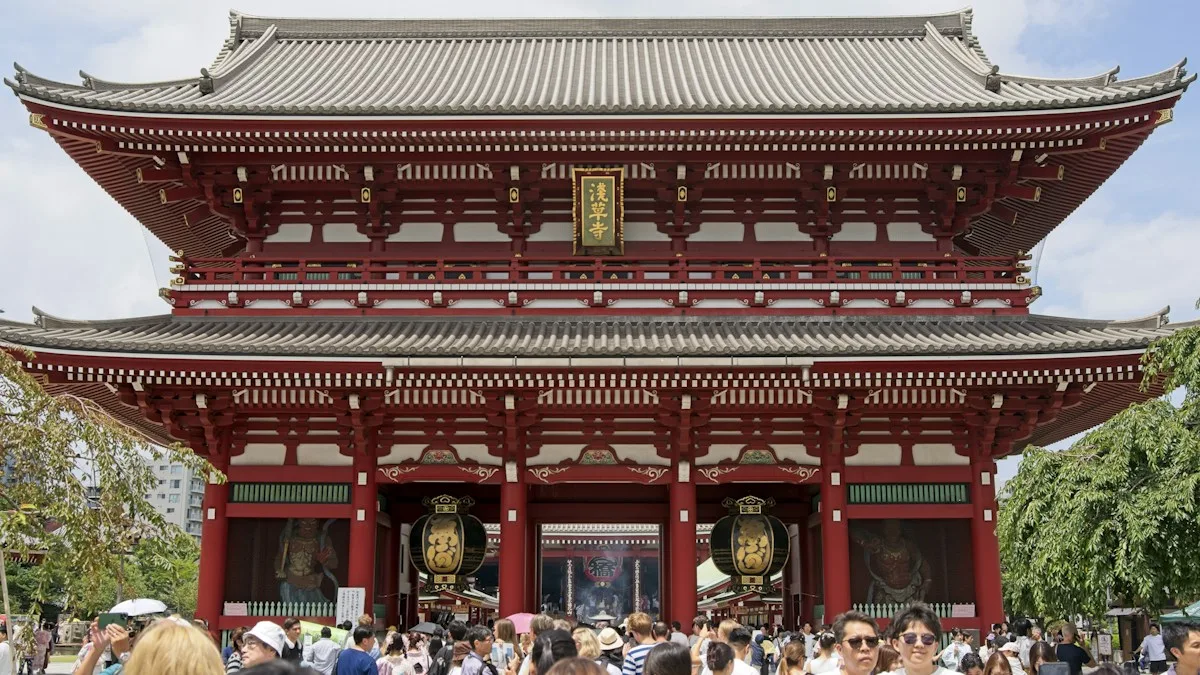
Asakusa is not a museum district. It remains part of a living city, but it gives visitors one of the clearest connections with the Tokyo that grew from Edo. Walk away from the main approach and the neighbourhood becomes quieter. Reach the Sumida River and the skyline suddenly introduces another Tokyo, with Tokyo Skytree rising above much lower streets.
At night, Shinjuku tells a completely different story.
Kabukichō is all signs, restaurants, entertainment venues and crowds moving beneath electric light. It is probably as close as Tokyo comes to fulfilling every neon stereotype at once.
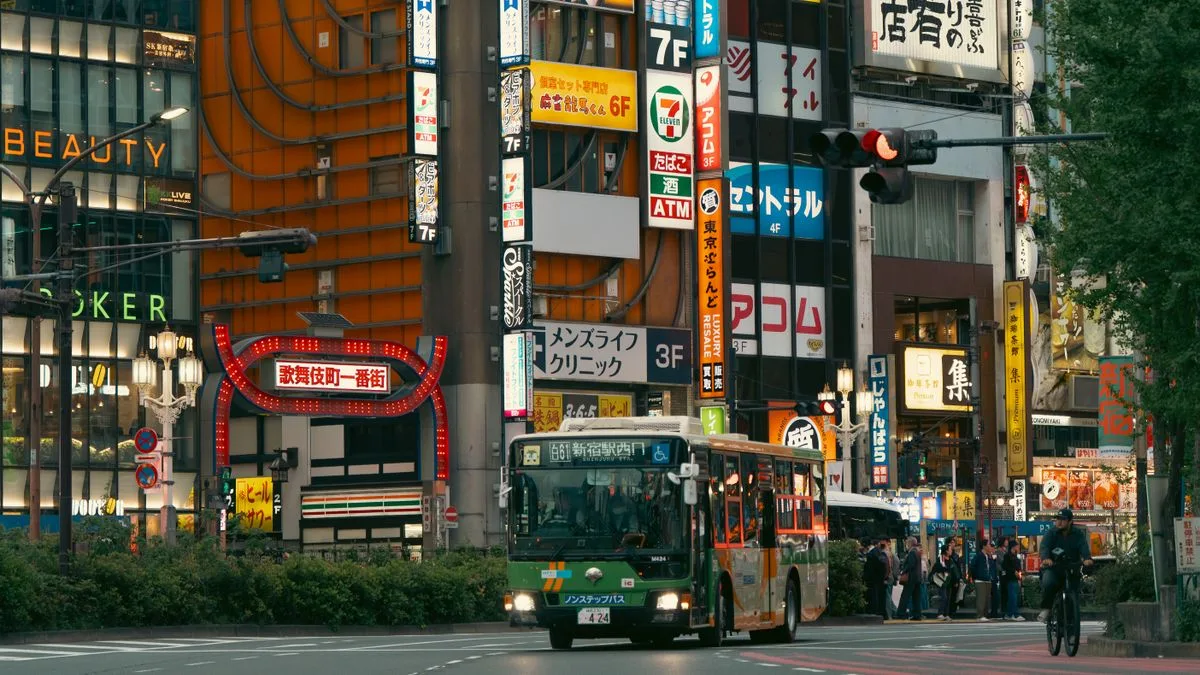
Yet Shinjuku is also one of the city’s biggest business centres. Walk in another direction and the streets widen beneath office towers. The station linking these worlds can initially feel absurdly complicated, but it becomes manageable remarkably quickly.
Where you stay matters more than how luxurious the room is
There is no universal best neighbourhood for a first trip.
Shinjuku is exceptionally well connected and offers an enormous range of hotels, restaurants and late-night activity. It can also feel intense if what you want after a full day is silence.
Shibuya keeps you close to nightlife, shopping and some of the city’s most recognisable streets, although convenience often comes with higher room rates.
Asakusa has a different pace, particularly in the evening, while still offering useful transport connections in eastern Tokyo.
Ginza, Nihombashi and the Tokyo Station area work especially well for travellers who prefer a polished central base or plan to continue their journey by Shinkansen.
The most useful question is not simply, “How good is the hotel?” It is, “Which station will I use every morning?”
The transport map looks harder than the transport system feels
Tokyo’s rail map can look like a plate of coloured spaghetti. After two journeys, it starts to make sense.
Lines are colour-coded, stations are numbered and English signage is extensive. What confuses newcomers is that Tokyo does not have a single transport operator. JR, Tokyo Metro, Toei and private railways overlap throughout the metropolitan area.
An IC card removes much of that complexity.
Since May 2026, TOURIST PASMO has been available specifically for overseas visitors on short stays. It can be purchased at Haneda and Narita airports, used on participating rail and bus networks, and used for cashless payments at many shops. The card remains valid for 28 days. Official TOURIST PASMO information.
For day-to-day travel, that means there is little need to calculate individual fares. Tap in, tap out and let the system calculate the journey.
Haneda is the airport most first-time visitors will wish they had chosen
Both of Tokyo’s international airports work well. They do not, however, offer the same arrival experience.
Haneda sits much closer to central Tokyo. The Keikyu Line reaches Shinagawa in roughly 20 minutes, while the Tokyo Monorail connects the airport terminals with Hamamatsucho in a similar time. From there, the Yamanote Line opens up much of central Tokyo. Official Haneda access guide.
Narita is considerably farther away but has excellent rail and coach connections, including Narita Express and Keisei Skyliner services towards different parts of the city. Official Narita access information.
When fares and schedules are similar, Haneda’s location is difficult to ignore. After a long-haul flight, saving an hour of ground travel matters.
Mount Fuji is better when it is not treated as a photo stop
You could spend the entire trip inside Tokyo and never run out of things to do.
Still, Lake Kawaguchiko makes an exceptional contrast if you can spare the time.
Of the Fuji Five Lakes, Kawaguchiko is the easiest to reach from Tokyo. Highway buses run from Shinjuku in roughly two hours, while rail travellers can travel to Otsuki and continue on the Fuji Kyuko Line to Kawaguchiko. Official Kawaguchiko guide.
The important thing to understand is that Mount Fuji is not guaranteed to appear. The mountain can dominate the horizon early in the morning and vanish behind cloud before lunch. A day trip can work, but an overnight stay gives you more chances to see Fuji in clear conditions.
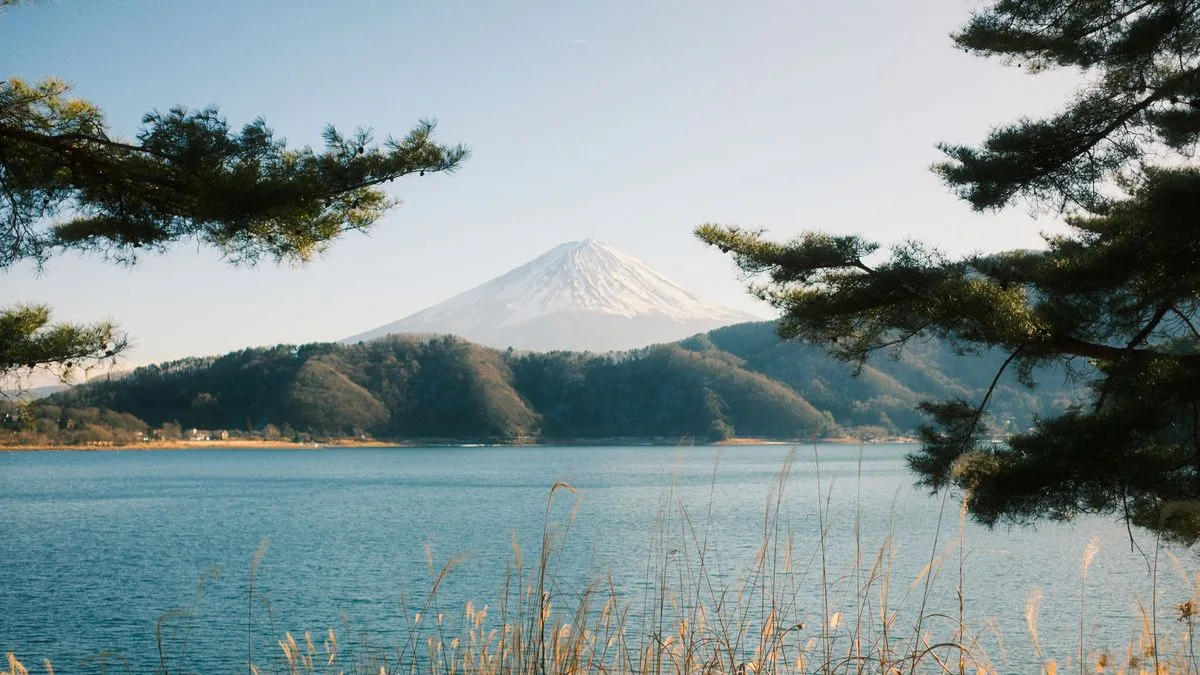
Seeing Fuji is also completely different from climbing it. The official climbing season is limited and regulated. Most visitors do not need to climb the mountain to make Fuji one of the strongest memories of the trip.
Spring is beautiful, but autumn may be the smarter first visit
Cherry blossom season has extraordinary appeal. In Tokyo, sakura typically transforms the city from late March into early April. It is also an exceptionally popular period.
Autumn is arguably the easier season for a first trip. By mid-October, conditions are generally drier and milder, making long days on foot more comfortable. Autumn foliage in Tokyo often reaches its best colours from mid-November into early December.
Summer has its own energy but brings heat and humidity. Winter can be cold and dry, yet crowds are often easier to manage and clear days can be excellent for city views.
Tokyo can be expensive, but it does not have to feel luxurious to feel exceptional
Hotels will usually be the largest variable in the budget.
Rooms can be compact even at good properties, particularly in central districts. Location often matters more than square metres.
Food is a different story. Tokyo allows visitors to spend almost anything, but excellent everyday meals do not require luxury prices. Ramen shops, curry restaurants, soba, udon, sushi chains, izakaya and neighbourhood counters make it possible to eat extremely well without turning every meal into an event.
Convenience stores also become part of the travel routine surprisingly quickly. Breakfast, drinks, snacks, cash withdrawals and emergency supplies can all be handled in the same place.
The best Tokyo itineraries eventually stop behaving like itineraries.
You will remember Shibuya, Sensō-ji and the view towards Mount Fuji. But you may remember just as clearly a station bakery, a silent backstreet, a meal ordered with almost no shared language, or a neighbourhood you entered because you took the wrong exit.
For the airfare itself, AeroSillage also explains when to book flights to pay less.
Tokyo initially impresses through scale. It becomes memorable through detail. And that is why the city people think they already know often turns out to be one of the most surprising places they ever visit.


JOIN THE CONVERSATION
Let’s discuss this story.
A question, a clarification or a different perspective? Share it with us.