
Cessna 185 Crash Near Kodiak Kills One, Two Survive
One person died and two survived after a Cessna 185 sank in Blue Fox Bay near Kodiak. Alaska authorities and an NTSB-cited report conflict on the accident date.
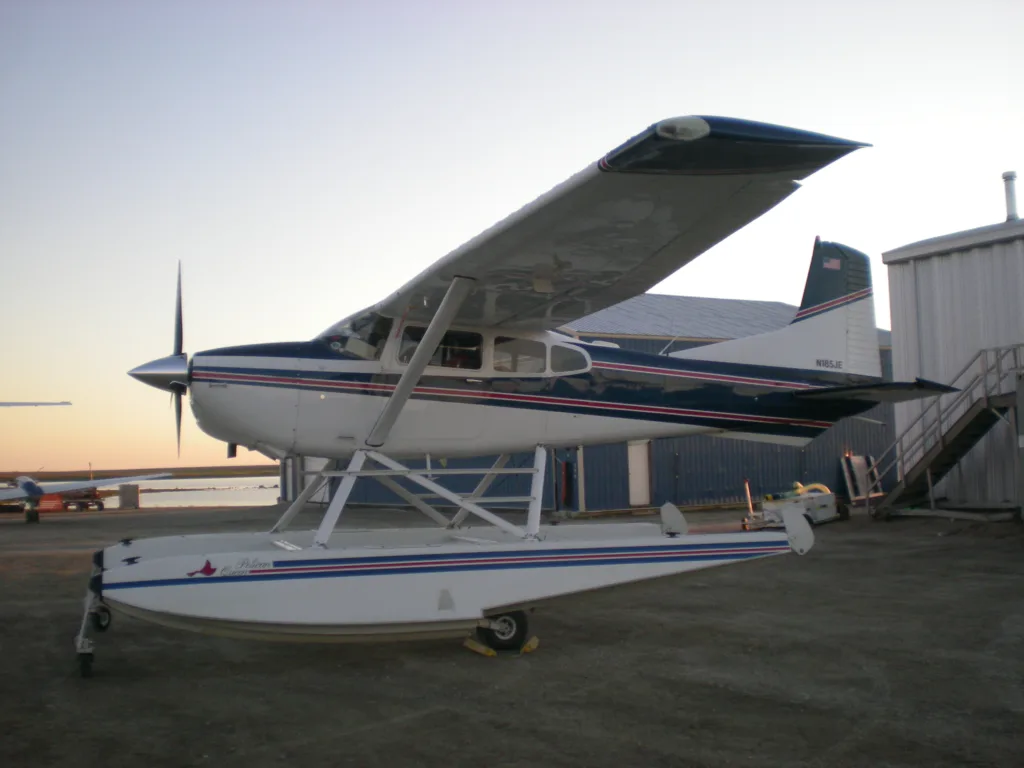
A Cessna 185 crashed into Blue Fox Bay near Kodiak, Alaska, killing one man and leaving two other occupants injured. The aircraft sank in the waters off Afognak Island. According to the Alaska State Troopers, the pilot and another adult escaped, but the third occupant was trapped inside.
Other people in the area brought both survivors to safety and recovered the man’s body. A passing aircraft flew the two survivors to Kodiak with injuries described as non-life-threatening. The National Transportation Safety Board will investigate. However, official accounts still differ over when the crash occurred.
Two survivors flown to Kodiak after aircraft sinks
Alaska State Troopers said they received notification at 10:08 a.m. on October 20, 2026. Their dispatch, published on October 30, described a Cessna 185 submerged in Blue Fox Bay. The pilot and another adult escaped the aircraft. Meanwhile, a nearby aircraft transported them to Kodiak.
The third occupant remained trapped inside the sunken airplane. People on the scene recovered the deceased man and returned his body to Kodiak. Authorities planned to send it to the State Medical Examiner’s Office for an autopsy.
These details show how the response relied on people and an aircraft already in the area. The initial statement does not identify a formal rescue unit or confirm whether an emergency helicopter responded. It also does not say how long the occupants were in the water.
Alaska troopers and NTSB-cited report give different dates
The accident date remains a reporting discrepancy. Troopers explicitly date their notification to October 20, although they posted the dispatch on October 30. By contrast, Alaska’s News Source cited an NTSB spokesperson who placed the crash around noon on Friday, October 30.
Both reports describe a Cessna 185 sinking in the same bay, with one fatality and two survivors. Yet the timing and reported transport details differ. Until the agencies clarify the record, the crash should not be assigned a definitive date.
The distinction also matters to investigators. An accurate timeline helps establish when the flight began, when rescuers reached the scene and when authorities received notice. None of those details establishes a cause.
Remote Blue Fox Bay location complicated the response
Blue Fox Bay is on Afognak Island in the Kodiak archipelago. Unlike an airport runway incident, a crash in coastal waters may require boats or aircraft to move survivors. Here, the troopers confirmed an airlift to Kodiak and a separate recovery of the deceased occupant.
The troopers did not identify the airplane’s registration, operator, departure airport or intended destination. The available official account therefore cannot establish whether this was a private flight or a paid service. No operator should be named without a verified aircraft record.
NTSB investigation must establish the cause
Alaska State Troopers said the NTSB would investigate. The federal agency examines aviation accidents and determines probable causes when the evidence supports a finding. However, no probable cause has been established in the statements reviewed.
Investigators may need to examine the submerged wreckage and reconstruct the flight. As of the available reports, the aircraft’s recovery status remained unconfirmed. Weather, mechanical failure and pilot actions must not be presented as explanations without evidence.
This crash is unrelated to a separate fatal Cessna 441 accident in Alaska. The verified toll in Blue Fox Bay is one death and two survivors. Investigators still need to establish the crash date, the flight’s circumstances and why the airplane entered the water.
Read next
JOIN THE CONVERSATION
Let’s discuss this story.
A question, a clarification or a different perspective? Share it with us.