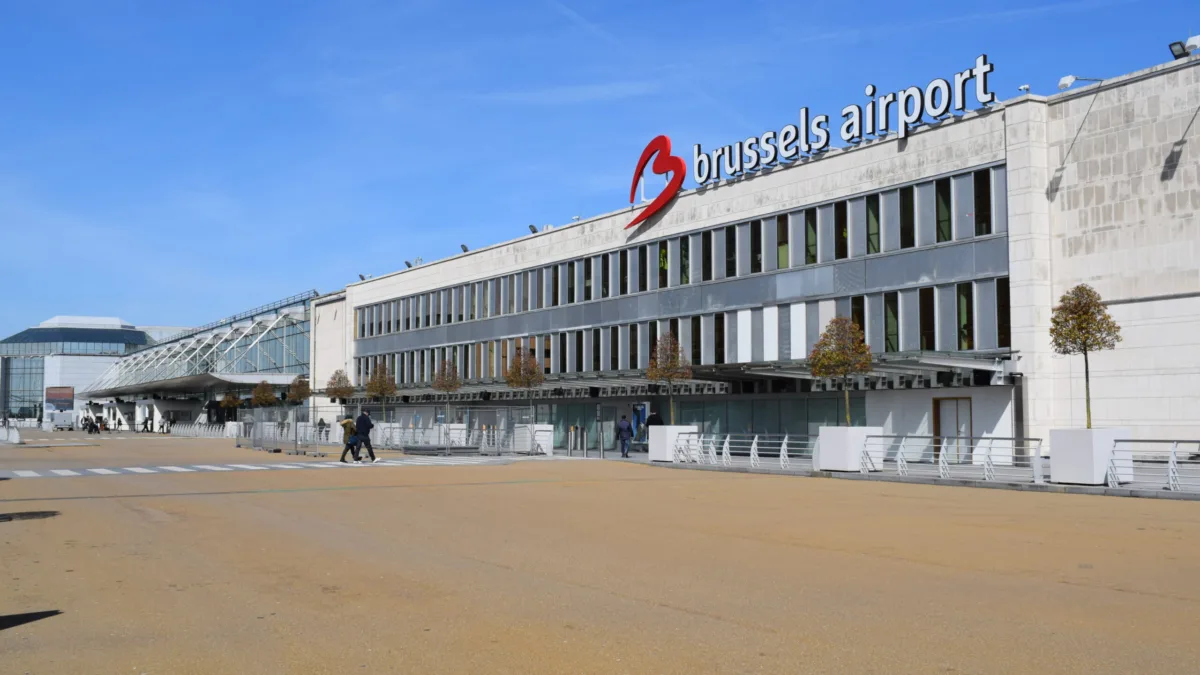
A drone was detected near Brussels Airport on the evening of September 12, 2026 for a second consecutive night. Belgian air-navigation provider skeyes said the object was both visually observed and digitally registered by detection equipment.
Updated October 2, 2026 — the article now includes the confirmed operational impact of both evenings and the status of the investigation.
Two incidents, two different operational responses
The first sighting, on September 11, triggered the airport’s rogue-drone safety procedure. Runway operations were interrupted for about 25 to 30 minutes and three arriving flights were diverted because controllers had to protect the critical area around the airport.
On September 12, another drone was seen at around 20:00. This time skeyes also obtained a digital detection record. Traffic did not need to stop completely: controllers were able to adapt the runway configuration and operations resumed normally after the required safety interval.
No confirmed link between the two drones
There is no public evidence establishing that the same drone, operator or group was responsible for both events. Belgian police opened an investigation, but authorities had not identified an operator publicly as of October 2.
That distinction matters. Drone incidents around European airports are sometimes discussed in the context of security threats or foreign interference, but no such attribution has been established for these two Brussels Airport events.
Why a small drone can disrupt a major hub
An unauthorised drone can enter the same low-altitude environment used by aircraft during take-off and landing. Even a relatively small object can force controllers to stop or reconfigure traffic because the location and future path of the drone may be unknown.
Brussels Airport had already reminded the public in early September that drone operations around the airport are tightly regulated and can lead to temporary airport restrictions.
What changed after the second evening?
The second event demonstrated the value of dedicated detection equipment: investigators had a technical record in addition to visual observations. It also showed that a drone alert does not automatically produce the same response every time; traffic density, runway use and the drone’s position all influence the operational decision.
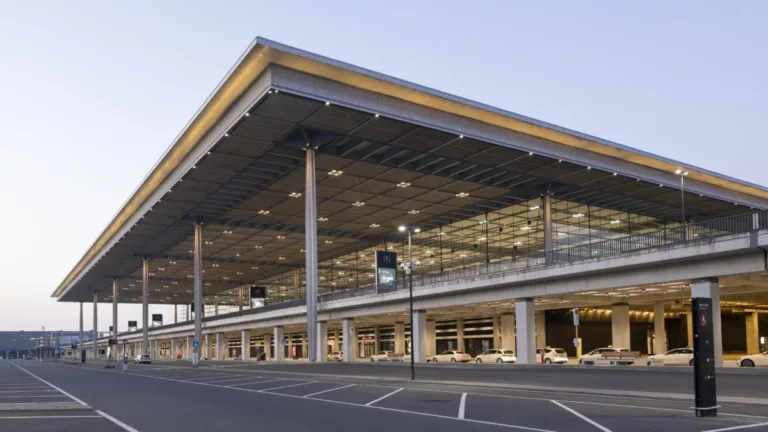
For another European example, AeroSillage reported on a drone sighting that halted Berlin flights for 45 minutes.
Sources
skeyes; Brussels Airport; Belgian federal police statements reported by Belga; Reuters; The Brussels Times.
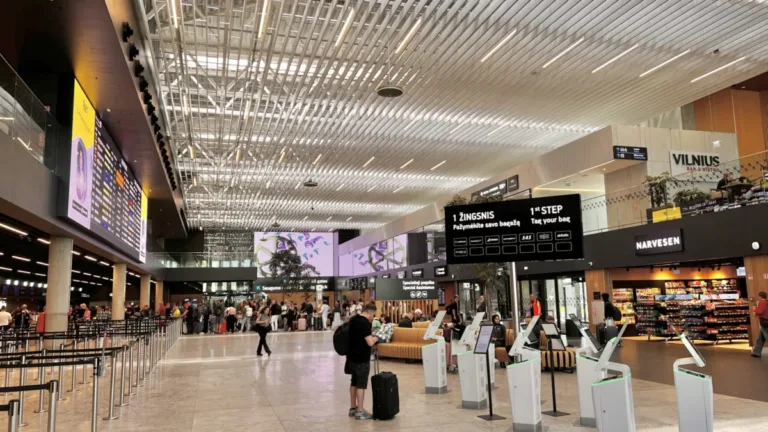
Related: Vilnius drone alert turns out to be flock of birds, another recent case showing why airports treat drone reports cautiously but urgently.
Leave a Reply