
The aviation journal
Press review
Essential aviation news, in perspective

October 21, 2026. Boeing has cleared a major certification hurdle, but airline economics remain under strain. Fuel prices, disrupted Middle East operations and new maintenance technology frame today’s aviation developments.
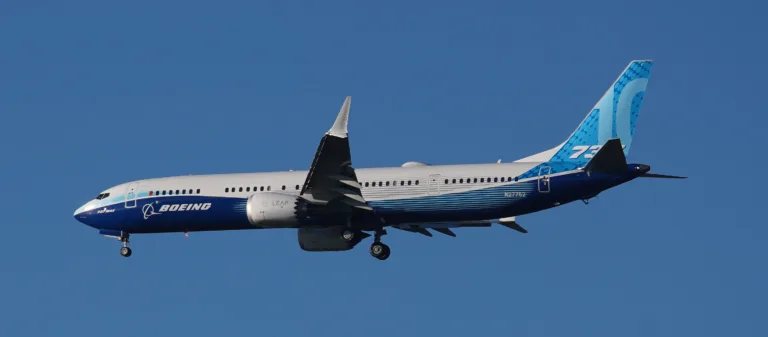
FAA certification gives Boeing’s 737 MAX 10 a route to delivery
On October 20, the US Federal Aviation Administration certified the 737 MAX 10, the largest aircraft in Boeing’s MAX family. The amended type certificate and production authorization clear an essential regulatory hurdle for deliveries, though individual airline entry-into-service schedules will depend on their own preparations. Boeing reports 1,555 orders from more than 30 customers. The jet typically seats 185 to 210 passengers in two classes and can accommodate as many as 230 in a high-density layout.
The certification campaign involved nearly 1,000 test flights and more than 2,000 flight hours. The FAA highlighted improvements to flight-control systems and angle-of-attack information following lessons from earlier MAX accidents. The approval matters commercially because airlines have been planning fleet capacity around an aircraft that had missed several earlier delivery targets.
Ryanair warns that European fares could climb sharply next year
Ryanair chief executive Michael O’Leary expects European ticket prices could rise by as much as 20% in 2027 as expensive jet fuel and potential airline capacity reductions squeeze the market. That is a forecast, not an announced industry-wide fare increase. Ryanair’s fuel hedges offer substantial near-term protection, but the carrier is less insulated from market prices from April 2027.
The airline is also cutting 20 routes and more than one million seats from its Belgian winter programme in response to higher aviation taxes. These decisions show how fuel exposure and local taxation can combine to reshape networks, particularly where demand is price-sensitive.
United posts record revenue while fuel costs erode margins
United Airlines reported third-quarter operating revenue of $17.9 billion, a 17.4% year-on-year increase, and a record 49.5 million passengers. Its fuel bill, however, rose by $1.8 billion compared with the same quarter of 2025. Adjusted net income was $833 million and the adjusted pre-tax margin stood at 6.2%.
United expects revenue growth above 20% in the fourth quarter, but strong demand does not automatically protect profitability when fuel prices move faster than ticket yields. The results offer a particularly clear picture of the cost pressures facing large network airlines despite robust traffic.
Riyadh reopens, but international schedules remain disrupted
Riyadh’s King Khalid International Airport has reopened, with airlines subject to prior flight authorization, yet the operational recovery is far from complete. On October 20, services operated or scheduled by Saudi carriers including Saudia, Riyadh Air, flynas and flyadeal appeared alongside selected international flights. Other foreign airlines continued to cancel or suspend services, and diversions were reported.
Flight movements remain subject to security conditions and local authorizations. Travellers should confirm each leg of their journey with the operating airline before leaving for the airport, especially where connections are involved. An airport reopening does not by itself restore an entire international route network.
Boeing and Microsoft introduce a new aircraft data platform
Boeing has unveiled Dataliner, a fleet-data platform developed with Microsoft technology, including Azure AI tools. It aims to bring aircraft and operational information together to support technical decisions, maintenance planning and fleet management. Boeing has emphasized data-sharing controls and encryption as part of the offering.
For operators, the opportunity lies in reducing fragmented information and making maintenance decisions earlier. Actual benefits will depend on deployment, data quality and measurable performance, rather than the platform announcement alone.
Sources consulted : Boeing · Ryanair · Ryanair fares · Dataliner · FAA · United Airlines · Riyadh
JOIN THE CONVERSATION
Let’s discuss this story.
A question, a clarification or a different perspective? Share it with us.