
The aviation journal
Press review
Essential aviation news, in perspective

Riyadh flight disruption, IATA sustainability, EASA cyber resilience, Air Corsica, San Sebastián and Ryanair lead October 13.
Tuesday’s aviation picture combines immediate disruption with longer-term industry choices. Riyadh’s closure is affecting airline networks far beyond Saudi Arabia, while Air Corsica is managing both industrial action and aircraft constraints. In Brussels, aviation leaders debate how to finance sustainability; European cybersecurity work and airport investment decisions reveal the less visible foundations of reliable flying.
Riyadh closure creates different restart dates across airlines
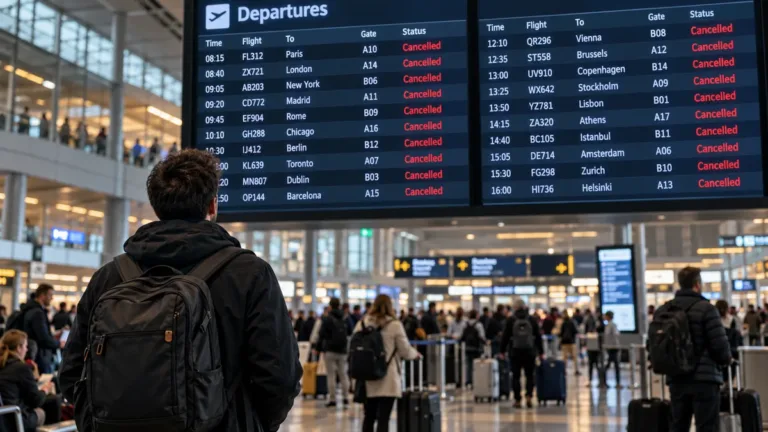
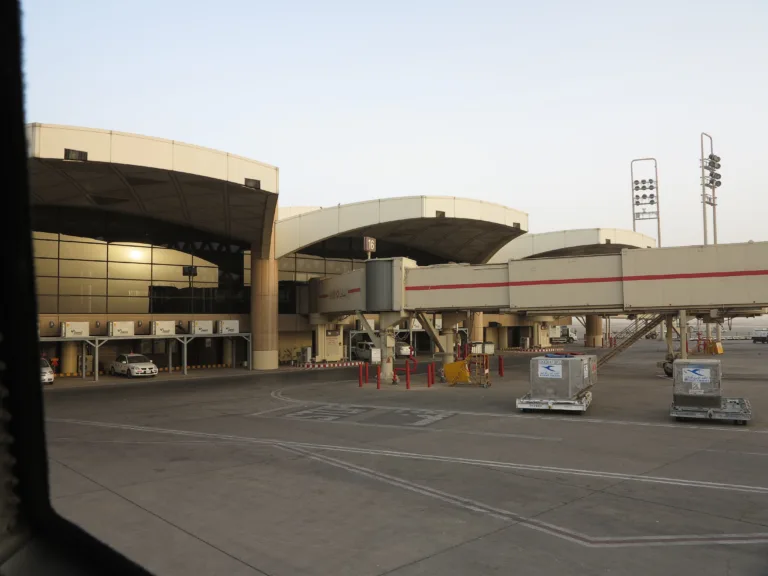
King Khalid International Airport is expected to remain closed until October 17 after deadly attacks over the weekend. International airlines have announced suspensions of varying lengths, with Lufthansa, Air India and Air France-KLM among those adjusting Saudi operations. The airport closure notice, each airline’s commercial schedule and wider airspace risk assessments must be treated separately.
Why it matters. Displaced crews, aircraft repositioning and missed connections can affect passengers beyond those flying directly to Riyadh. A published reopening date does not guarantee that every flight will resume immediately. Travellers should consult their airline’s live booking information and retain records of rebooking or refund offers.
Source : www.reuters.com.
IATA sustainability summit faces a practical financing test
The International Air Transport Association’s fourth World Sustainability Symposium opens in Brussels on October 13 and continues on October 14. Airlines, energy suppliers, investors and policymakers are examining the pathway to net-zero carbon emissions by 2050, including the supply and cost of sustainable aviation fuel.
Why it matters. An ambitious target is not the same as available fuel or funded production. Credible outcomes require investment commitments, measurable supply volumes and implementation dates. Passengers should not infer an immediate fare change from a conference announcement; the useful question is what participants will deliver after the meeting.
Source : www.iata.org.
European aviation cybersecurity: resilience goes beyond firewalls
An EASA event scheduled for October 12 examined cybersecurity threats and resilience across aviation. Airline operations, airport handling, maintenance and flight planning rely on interconnected digital systems. Disruption at a shared supplier can create operational problems even when aircraft flight-control systems remain unaffected.
Why it matters. It is important to distinguish a cyber incident from an aviation safety occurrence. Backup processes, supplier oversight and recovery exercises are as important as preventive controls. Airports and airlines should be judged on how quickly essential services recover and how clearly they communicate with passengers.
Source : www.easa.europa.eu.
Air Corsica shows how industrial action and fleet shortages interact
Air Corsica says it has deployed charter aircraft and bus transfers to limit the effect of a pilots’ strike that began October 9. The action coincides with technical investigations involving part of its ATR fleet, leaving the regional carrier with two distinct operational constraints.
Why it matters. A service can be maintained with a different aircraft, departure time or ground-transport component, so headline cancellation totals do not tell the whole story. Passengers need to verify individual itineraries. Smaller regional networks have fewer spare aircraft when several disruptions occur together.
Source : www.aircorsica.com.
San Sebastián runway overhaul requires planning well before 2028
Spanish airport operator Aena announced an approximately €16.6 million tender on October 9 for work on San Sebastián’s runway and parking apron. The project includes taxiway, drainage and lighting improvements, with a runway closure of roughly forty days anticipated in autumn 2028.
Why it matters. This is a long-term construction plan, not an October 2026 airport shutdown. Early coordination gives airlines and local authorities time to develop alternative arrangements. For smaller airports, even a temporary runway closure can significantly affect regional access.
Source : www.aena.es.
Ryanair’s Berlin base withdrawal highlights route economics
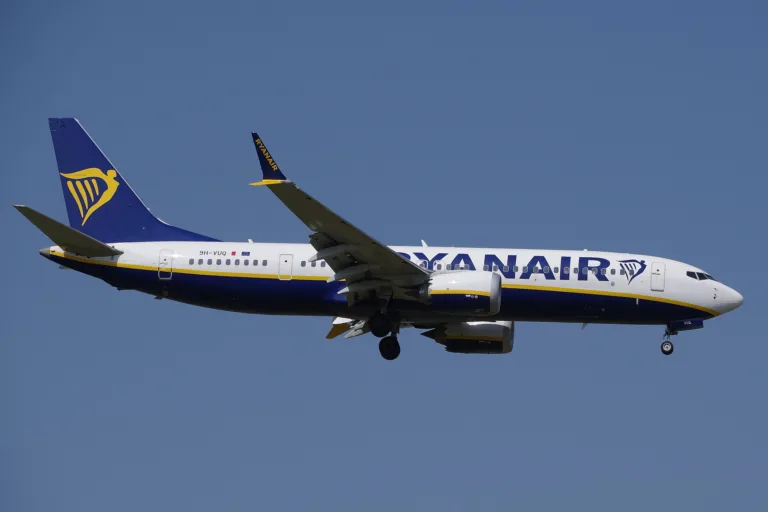
Ryanair’s 2026 annual report confirms the planned closure of a seven-aircraft Berlin base from October. Low-cost airlines continuously compare airport charges, aircraft utilisation and demand across their networks when deciding where to station planes.
Why it matters. Closing a base is not identical to withdrawing every flight from an airport: some routes can still be operated by aircraft based elsewhere. Travellers should check route-specific schedules rather than infer universal cancellations. The decision raises wider questions about airport competitiveness and regional connectivity.
Source : investor.ryanair.com.
The wider picture. Immediate security restrictions, operational shortages and infrastructure investment operate on different timescales. Distinguishing confirmed outcomes from plans helps readers make better travel decisions.
JOIN THE CONVERSATION
Let’s discuss this story.
A question, a clarification or a different perspective? Share it with us.