
Alaska Airlines Flight 1306 Delayed by Seattle ICE Arrests
Alaska Airlines Flight 1306 left Seattle nearly three hours late on November 21 after federal immigration officers detained two people during boarding.
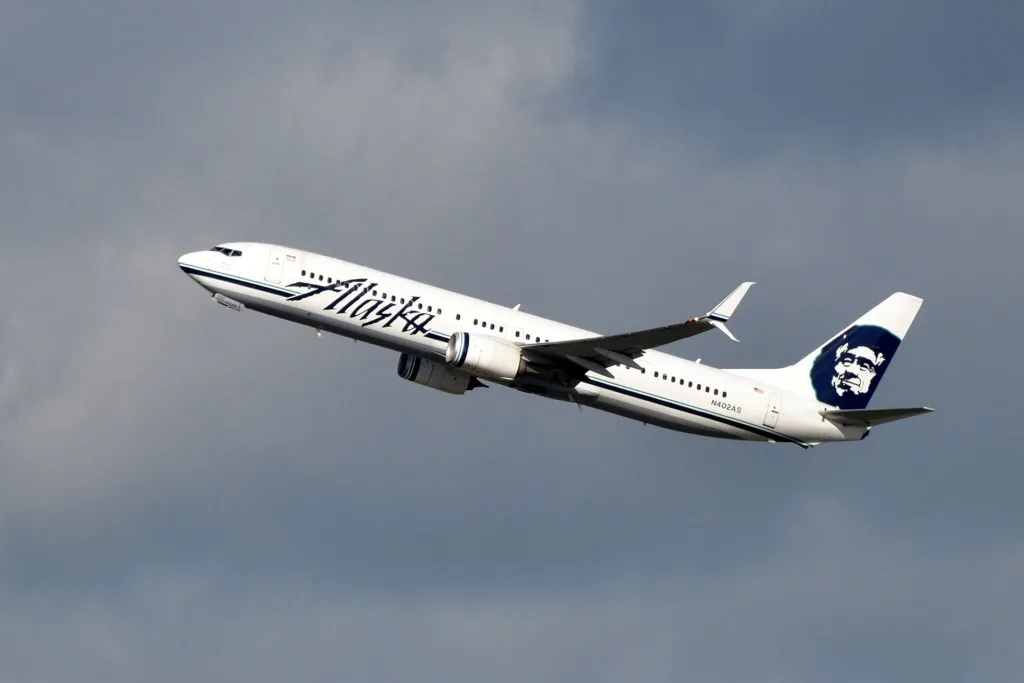
Federal immigration officers detained two people during boarding of Alaska Airlines Flight 1306 in Seattle on November 21, 2026. The Los Angeles-bound flight departed two hours and 50 minutes late. Alaska Airlines said it had received no advance notice, according to Reuters.
Instead of leaving at 8:10 a.m., the aircraft departed Seattle-Tacoma International Airport at 11 a.m. Both times are local. Alaska also said many travelers received alternative bookings.
ICE officers interrupt boarding at Seattle
According to CBS News, officers intervened around 8 a.m. on the passenger boarding bridge. That placed the operation directly in the path of travelers boarding the Los Angeles flight.
U.S. Immigration and Customs Enforcement said it targeted a person it accused of overstaying a visa. Officers then detained a second person. ICE alleged that the second individual threw hot coffee at officers. The agency said an assault charge would follow, but these allegations are not court findings.
Alaska and the Port of Seattle respond
Alaska expressed concern about the disruption to its customers. Meanwhile, the Port of Seattle said it would seek clarification from federal authorities, according to the Associated Press. Washington Governor Bob Ferguson and labor representatives also criticized the operation.
The airline’s statement places its lack of advance notice at the center of the operational issue. Without that notice, the carrier could not plan around the interruption before boarding began.
For passengers, the consequences were immediate: a delayed flight or a different booking. The intervention also came on the weekend before Thanksgiving, when airlines are preparing for heavy passenger traffic.
What the 170-minute departure delay means for travelers
In total, Flight 1306 departed 170 minutes late. However, that figure alone does not determine whether a passenger qualifies for a refund under federal rules.
The U.S. Department of Transportation defines certain domestic schedule changes of three hours or more as significant. Travelers can qualify for refunds when they decline alternative transportation after a qualifying change. Arrival times and other changes to the itinerary can also matter.
Alaska’s alternative bookings may have produced different outcomes for individual passengers. The available reports do not establish their arrival times, missed connections or any compensation paid by the airline.
Read next
JOIN THE CONVERSATION
Let’s discuss this story.
A question, a clarification or a different perspective? Share it with us.