
Aer Lingus Pilot Allegedly Refused French Landing Order
French prosecutors are investigating an Aer Lingus pilot's alleged refusal of a military-base landing order during a bomb alert. Flight EI402 landed safely at Évreux with 157 aboard.
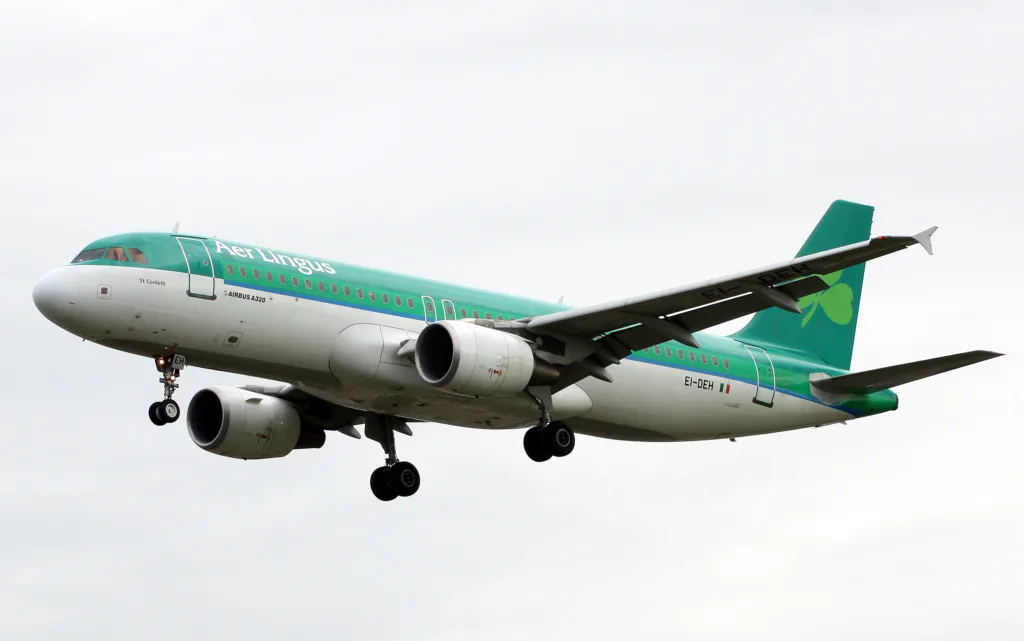
French prosecutors are investigating an Aer Lingus pilot who allegedly refused an order to land at a military base during a bomb alert on November 5, 2026. Two French fighter jets escorted flight EI402 to Évreux. All 157 people aboard landed safely, and bomb-disposal teams found no explosive device.
The Airbus A320 was carrying 151 passengers and six crew members from Dublin to Rome. Instead, it landed at Air Base 105, west of Paris. The inquiry into the pilot’s conduct is separate from the investigation into the bomb threat.
French authorities question Aer Lingus pilot’s landing decision
Évreux prosecutor Rémi Coutin said the pilot initially wanted to land at a civilian airport rather than the designated military base. His account was reported by RTL. France’s prime minister’s office also said the pilot had not cooperated as expected.
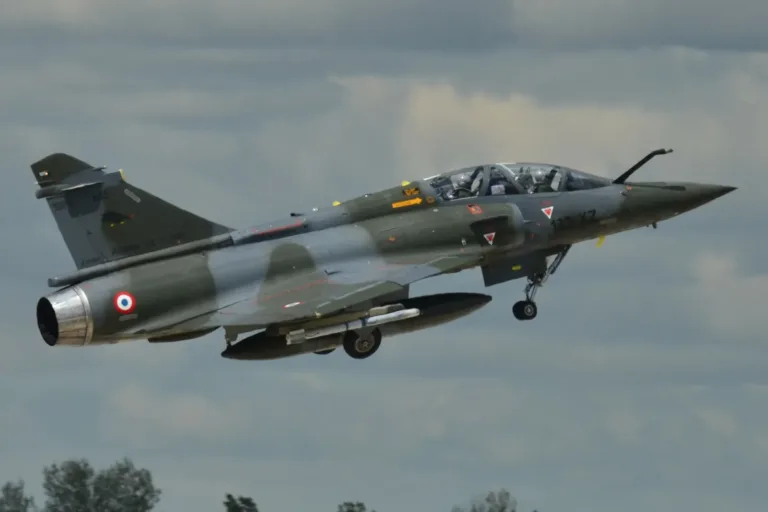
The prime minister ordered military aircraft to intercept and escort the jet, according to the government’s account reported by The Associated Press. Coutin said investigators were examining a possible offense under France’s Transport Code. He also announced a voluntary interview, while leaving open the possibility of custody later.
However, the precise exchanges between the cockpit and French authorities have not been made public. Nor has the pilot’s full explanation. An investigation does not establish that a crime occurred. The Associated Press subsequently reported that investigators questioned both pilots.
Flight EI402 diverted from Dublin–Rome route to Évreux
The bomb warning forced EI402 away from Rome Fiumicino. After landing, French gendarmes checked passengers and took them by bus to a gymnasium on the base. Specialists then searched the Airbus. They found nothing suspicious, according to RTL’s account.
Meanwhile, Aer Lingus said it was arranging onward travel for passengers. The diversion interrupted their planned arrival in Rome and required a military escort, ground security checks and replacement travel arrangements.
The airline had not established a final arrival time for every passenger in the statements reviewed. Therefore, a precise total delay cannot yet be given. The aircraft was identified in French reporting as registration EI-DEH, based on flight-tracking information.
Bomb threats affected other European flights on November 5
The Aer Lingus diversion came amid a broader series of bomb alerts. RTÉ reported at least 14 affected flights earlier in the day. Later, The Guardian put the figure at 25 or more. These are reporting-time snapshots, not a consolidated official total.
In Bulgaria, Ryanair services faced security checks and one diversion to Plovdiv. Italian military aircraft escorted a Finnair flight approaching Rome. Separately, a LOT service reached Brussels after a warning, while a Wizz Air flight diverted to Vienna.
Authorities have not established a common perpetrator. EU Transport Commissioner Apostolos Tzitzikostas said it was too early to link the incidents. European authorities also activated aviation-security information sharing, according to the Associated Press.
Passenger arrangements and compensation after the diversion
Passengers should keep rebooking notices and receipts for meals, accommodation and transport. Aer Lingus remains the source for individual onward-travel arrangements. Travelers should confirm their revised itinerary directly with the airline.
Because EI402 departed Dublin, EU passenger-rights rules apply regardless of nationality. Care and rerouting obligations are distinct from fixed compensation. A security threat may qualify as an extraordinary circumstance, but the airline must justify its application to the disruption.
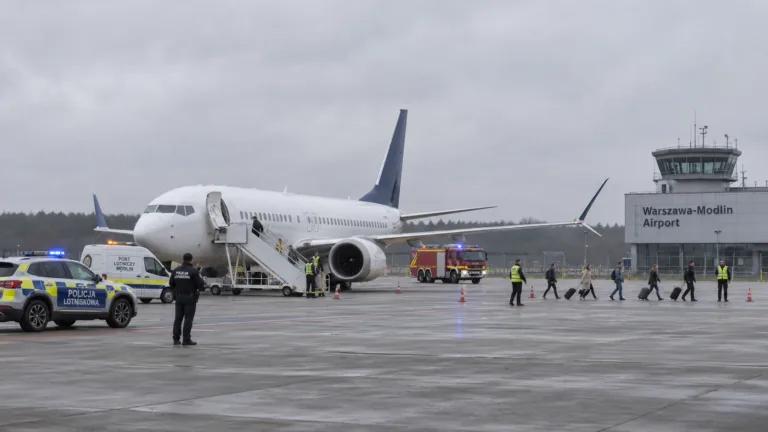
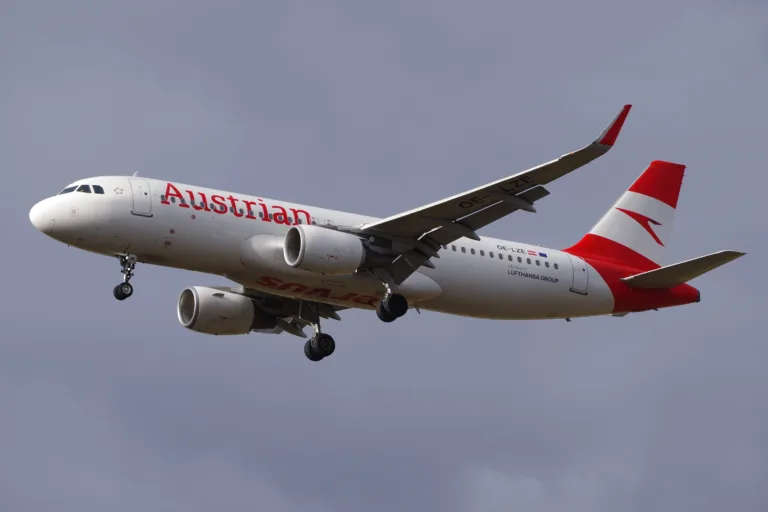
For context, a separate LOT bomb-threat diversion at Warsaw-Modlin disrupted flights on November 3. An earlier Austrian Airlines alert near Sofia occurred in October. Neither event has been shown to share a source with the Aer Lingus threat.
Read next
JOIN THE CONVERSATION
Let’s discuss this story.
A question, a clarification or a different perspective? Share it with us.