
Vueling flight returns to Barcelona after bird strike and reported engine fire
A Milan-bound Vueling flight returned to Barcelona on 17 October after a bird strike and reported engine fire. No injuries were reported and the AEROCAT pre-alert was lifted.
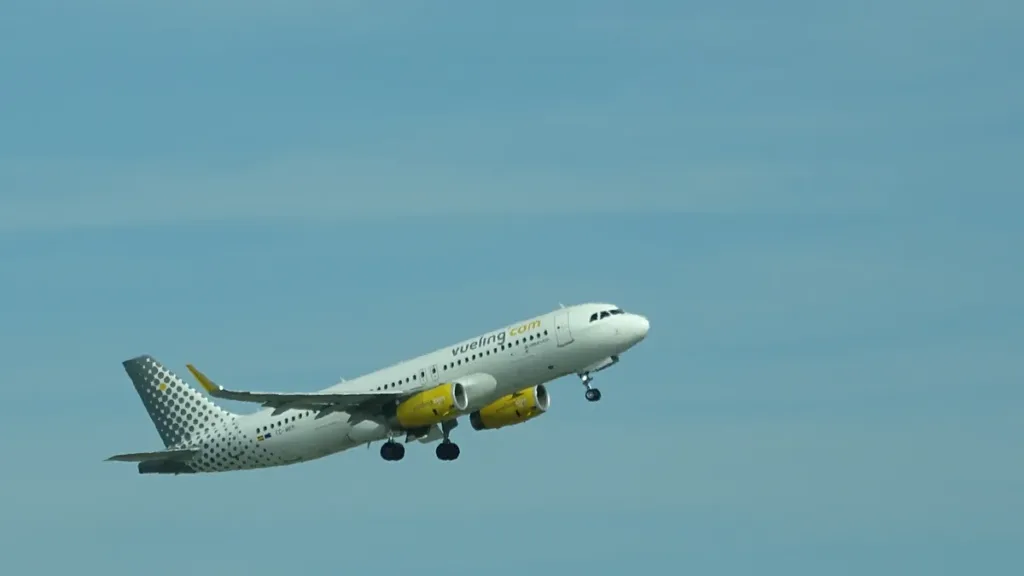
A Vueling aircraft bound for Milan returned to Barcelona-El Prat shortly after takeoff on Saturday, 17 October 2026, following a bird strike. Airport and Catalan civil protection sources reported a fire involving one of its engines. The aircraft landed without reported injuries, and an aviation emergency pre-alert was subsequently lifted.
The flight had just departed Barcelona when birds struck an engine, prompting the crew to abandon the journey to Milan and return to the departure airport. The Spanish news agency EFE, citing airport and civil protection sources, reported that the impact was followed by an engine fire. The accounts establish the reported emergency but do not provide a detailed assessment of the engine damage.
On the ground, Catalonia’s Civil Protection service placed its AEROCAT aviation emergency plan on pre-alert. This is a precautionary stage that allows emergency services to prepare for an aircraft returning with a potentially serious problem. It is not, in itself, evidence that the aircraft was out of control or that the plan had been fully activated.
The aircraft landed back at Barcelona-El Prat without any injuries reported among passengers or crew. The AEROCAT pre-alert was cancelled once the emergency had ended, bringing the immediate airport response to a close.
How a bird strike can change a flight within minutes
Bird strikes are a particular concern during takeoff and landing, when aircraft fly at lower altitudes and are more likely to encounter wildlife. If a bird enters an engine, the impact can damage internal components, produce abnormal indications or cause vibration. Crews are trained to assess engine-related warnings and decide how best to secure the aircraft. Returning to the departure airport is one possible response, especially when the problem arises moments after takeoff.
In this case, the reported fire makes the incident more serious than a routine wildlife encounter, but the available reporting does not establish the precise mechanical sequence or the extent of the damage. Those distinctions matter: the reported event, the crew’s decision to return and the safe landing are documented, while a definitive technical diagnosis would require further evidence.
For the passengers travelling to Milan, the immediate consequence was a journey interrupted in Barcelona. The published accounts do not establish the arrangements made for onward travel. What is documented is the outcome of the emergency itself: a safe return, no reported injuries and the withdrawal of the precautionary alert.
Sources: EFE, La Vanguardia and Antena 3, 17 October 2026.

JOIN THE CONVERSATION
Let’s discuss this story.
A question, a clarification or a different perspective? Share it with us.