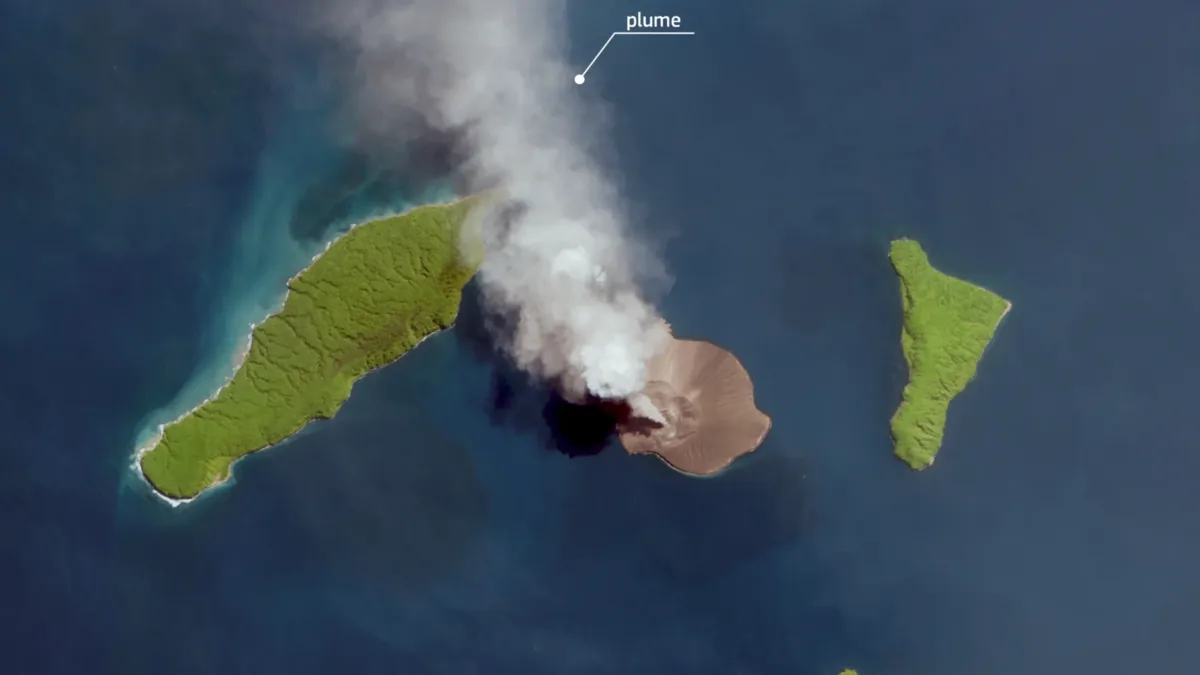
The reopening of Indonesian airports after the Anak Krakatau ash event shows that restarting aviation after volcanic contamination is an engineering and logistics problem, not simply a weather decision. All affected airports were operating again by September 8, 2026, but the return to normal remained gradual.
Reopening requires more than clear airspace
Runways, taxiways and stands have to be inspected and cleaned, while aircraft exposed to ash may require their own checks before departure.
At Jakarta-Soekarno-Hatta, around 178 aircraft were on the ground when operations resumed, creating an immediate challenge in sequencing departures, repositioning crews and restoring schedules.
Volcanic ash is an aircraft problem as well as an airport problem
Ash can damage engines, contaminate sensors, reduce visibility and abrade surfaces. That is why reopening an airport does not automatically mean every aircraft can depart immediately.
The scale of disruption was national
Authorities reported 2,961 disrupted flights and around 341,000 affected passengers, including both domestic and international services.
That scale turns recovery into a network-management problem: aircraft and crews are no longer where the timetable expects them to be.
Soekarno-Hatta is the key pressure point
Because Jakarta is Indonesia’s largest hub, disruption there propagates quickly across the domestic network and into international connections. Gradual traffic management is therefore essential to prevent a second wave of congestion after reopening.
The volcano remains active
Anak Krakatau remained at alert level 3 of 4, and ash had reached about 50,000 feet at the height of the event. Continued monitoring of plume direction and wind therefore remains necessary even after the airports reopen.
AeroSillage view: volcanic disruption ends in stages. The first milestone is reopening airspace; the real recovery comes only when aircraft, crews and passengers are back in the right place.
Sources
AirNav Indonesia; Indonesian Ministry of Transportation; InJourney Airports; ANTARA; Reuters; Associated Press.
Leave a Reply