
Delta’s $6 Billion Fuel Shock Raises Questions Over Airfares and 2027 Growth
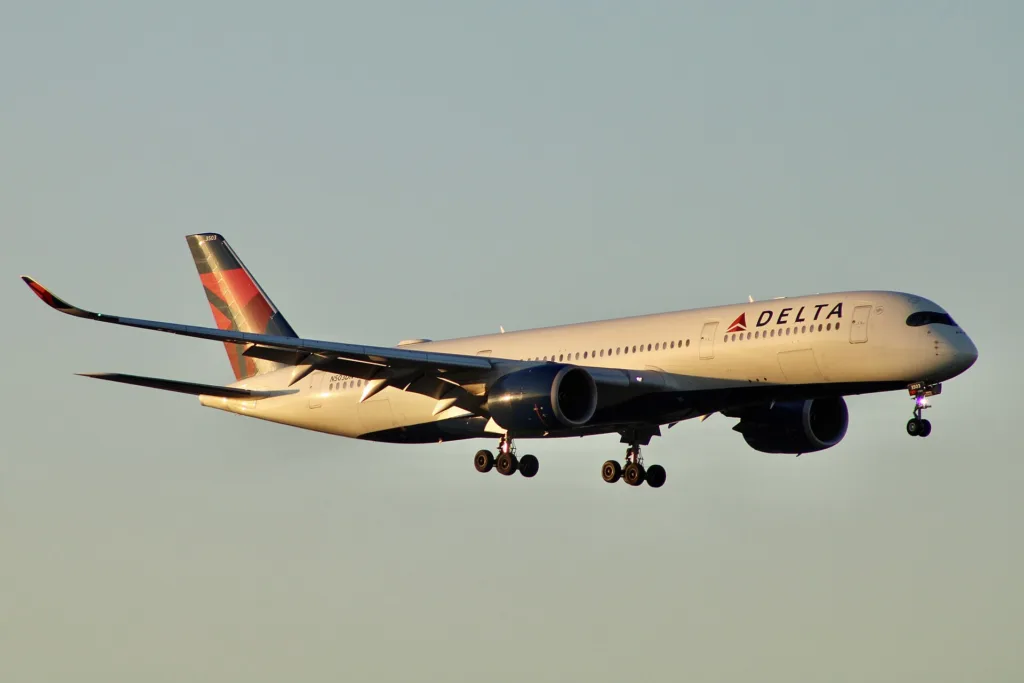
Delta Air Lines expects to absorb $6 billion in additional fuel expense in 2026, even as passenger demand and revenue remain resilient. Its October 9 third-quarter earnings report highlights an uncomfortable trade-off for the US airline industry: how to protect margins when energy prices rise sharply without undermining demand or cutting capacity too aggressively. The outlook raises questions about 2027 fares, but Delta has not announced a sweeping route-cancellation plan.
The scale of Delta’s fuel headwind
Chief executive Ed Bastian said in Delta’s official earnings release that the company expects approximately $4.5 billion in full-year pre-tax profit while absorbing a $6 billion year-over-year fuel cost increase. Delta now projects adjusted earnings per share between $5.10 and $5.60 for 2026, with around $2.5 billion of free cash flow.
Third-quarter adjusted fuel expense reached $4.1 billion, up 62% from the same period last year. The adjusted fuel price rose 60% to $3.61 per gallon. For the fourth quarter, Delta’s outlook assumes approximately $4.25 per gallon on an all-in basis, factoring in a roughly 40-cent benefit from its refinery business.
Can higher revenue offset higher jet-fuel prices?
Delta reported record adjusted revenue of $17.6 billion for the September quarter, approximately 16% above the year-earlier period despite essentially flat capacity. Adjusted revenue per available seat mile rose 15%, showing that higher yields and product mix have helped the airline recover increased operating expenses.
That does not equate to a single across-the-board fare increase. Air ticket prices vary by route, cabin, booking window and competition. Nevertheless, sustained fuel inflation combined with restraint in seat supply can leave customers facing firmer average prices, especially on busy routes and peak travel dates.
Capacity discipline rather than an announced flight cut
For the December quarter, Delta expects seat capacity growth of less than 2%, including a reduction in Main Cabin seats. The carrier describes that as deliberate capacity positioning to support higher unit revenue. It has not released a list of 2027 flight cancellations related to fuel prices, and its guidance should not be interpreted as confirming such cuts.
A higher fuel bill does not translate mechanically into an equal rise in every ticket price. Delta can adjust capacity, fares and route mix differently across markets, depending on demand and competition. Any 2027 outlook therefore remains conditional on future energy prices and commercial decisions rather than being a consequence already established by the third-quarter results.
Looking ahead, the airline anticipates low-single-digit non-fuel unit cost growth next year as operations and capacity normalize. Its ability to add seats profitably will depend in part on fuel costs, demand and fares. Delta’s own outlook emphasizes continued revenue strength rather than an abrupt retreat from flying.
What travelers should watch in 2027
The most useful indicators will be future schedule filings, route-specific fares and fuel-price revisions accompanying Delta’s next earnings updates. The $6 billion fuel headwind is confirmed for its 2026 outlook; the extent to which that translates into higher 2027 fares or slower network growth remains uncertain.
For travelers, higher airline fuel costs do not by themselves establish future ticket prices or specific route cuts; those would require separate schedule or fare announcements.
Primary source: Delta Air Lines, third-quarter 2026 financial results, October 9, 2026.


JOIN THE CONVERSATION
Let’s discuss this story.
A question, a clarification or a different perspective? Share it with us.