Today’s aviation briefing is about decisions that change operations, not just announcements. Washington has added a safeguard for presidential helicopter movements, Biman has signed an Airbus order, Mumbai is slowing an airport-capacity transition, LOT has launched Bangkok flights, Brussels is preparing for a strike and Lufthansa is expanding its future Japan schedule. The key question in each case is what happens next.
Washington adds a second alert path for Marine One departures
The FAA says a new protocol will require the National Capital Region Coordination Center to alert Reagan National Airport’s control tower when Marine One is preparing to depart. The change follows an August event in which an expected warning did not reach controllers effectively. It is a narrowly targeted procedural response in one of the United States’ most sensitive airspaces.
Why it matters. The lesson is broader than presidential flying: safety-critical communications need a fallback when one channel fails. A second alert can improve controllers’ situational awareness, but it does not replace aircraft separation rules or the need to establish the facts of the earlier event. Reporting: Washington Post, October 7.
Biman’s ten-Airbus order turns a fleet plan into a firm commitment
Airbus confirmed on October 7 that Biman Bangladesh Airlines has ordered four A350-900s and six A321neos. The Dhaka-based carrier plans to use the widebodies to support longer-range growth, including potential North American services, and the narrowbodies to strengthen regional flying. This is a signed order, a material step beyond the purchase discussions reported in September.
Commercial test. Biman will need to build an Airbus operating ecosystem alongside its Boeing fleet: crews, simulators, spares, engineering and network planning. Fleet diversity can reduce dependence on one supplier, but complexity and capital demands rise. Aircraft delivery dates and confirmed routes remain the next milestones to watch. Source: Airbus, October 7. Earlier AeroSillage analysis of Biman’s Boeing plans.
Mumbai’s two-airport transition gets breathing room
IATA has welcomed the decision to defer a proposed capacity reduction at Mumbai’s established international airport as Navi Mumbai prepares to take a larger role. The association argues that airlines need transparent consultation and a coordinated transition plan before any meaningful shift in slots and schedules.
Network consequences. Mumbai is not simply adding another terminal. It is preparing to operate two airports serving one metropolitan market, which raises questions about surface transport, connectivity, passenger information and the economics of airline schedules. A pause in capacity cuts creates time to address those issues; it does not settle how the eventual division of traffic will work. Source: Financial Express, October 7.
LOT restores a nonstop Warsaw–Bangkok link
LOT Polish Airlines launched its Warsaw–Bangkok nonstop service on October 7 using Boeing 787 Dreamliners. The route starts with three weekly outbound departures and is scheduled to rise to six from November 2, while summer 2027 has a different seasonal pattern. The airline previously served Bangkok but ended its regular operation in 2000.
What to watch. The route offers Central European travellers another one-stop or nonstop option to Southeast Asia, depending on their origin. Its longer-term viability will depend on connecting feed through Warsaw, yield management and seasonal demand rather than the inaugural flight alone. Source: LOT Polish Airlines, October 7.
Brussels Airport warns of Friday ground-handling cancellations
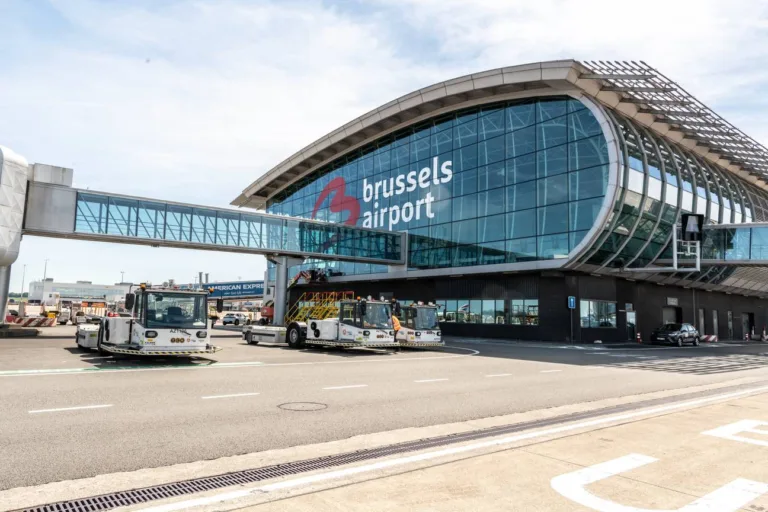
Brussels Airport says about half of the flights handled by Alyzia are currently expected to operate on October 9, when some of the handler’s employees join Belgium’s national action. The airport does not currently expect an impact on flights handled by Aviapartner. Airlines are responsible for informing affected passengers as cancellations are confirmed.
Passenger impact. Ground handling can constrain departures even when air traffic control and runways remain available. Travellers should check their carrier’s notification rather than assume every Brussels flight is cancelled. Airport information can change as revised schedules are filed. Source: Brussels Airport operational notice. AeroSillage’s Brussels disruption coverage.
Lufthansa builds a bigger Japan network for summer 2027
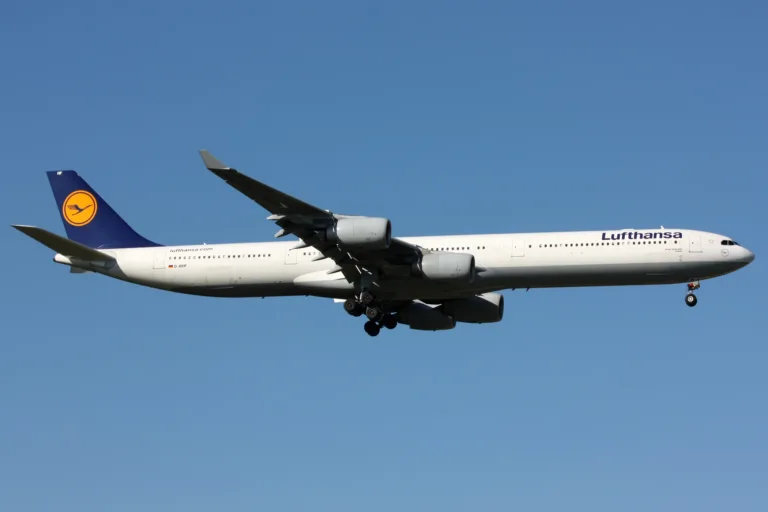
Lufthansa Group is adding a daily Frankfurt–Tokyo Narita flight from March 28, 2027, and restoring Frankfurt–Nagoya three times a week from March 29. Both routes are planned with Boeing 787-9 aircraft in Allegris configuration. Across its group airlines, Lufthansa projects up to fifty weekly services to four Japanese destinations next summer.
Market significance. More Narita capacity broadens Tokyo choices beyond Haneda, while Nagoya’s manufacturing economy makes it relevant to business traffic. These are future timetable plans, not additional services operating today, and the announced total spans several group carriers. Source: Lufthansa Group, October 6.
The editorial thread. Signed orders, launched flights, proposed airport transitions and future schedules belong to different stages of aviation decision-making. Treating them as equivalent would overstate what passengers and operators can expect today.