Monday’s aviation agenda is less about a single headline than about infrastructure and network resilience. In the United States, government and industry are pressing Congress for another $30 billion for air-traffic-control modernisation. Mumbai’s two-airport transition is drawing airline resistance, while SAS has returned to Mumbai after a 17-year absence. The flydubai FZ1073 investigation is widening into questions about crew vetting, and Nigeria’s ValueJet is introducing its first Boeing 737NG into passenger service.
US aviation pushes for another $30 billion in ATC reform
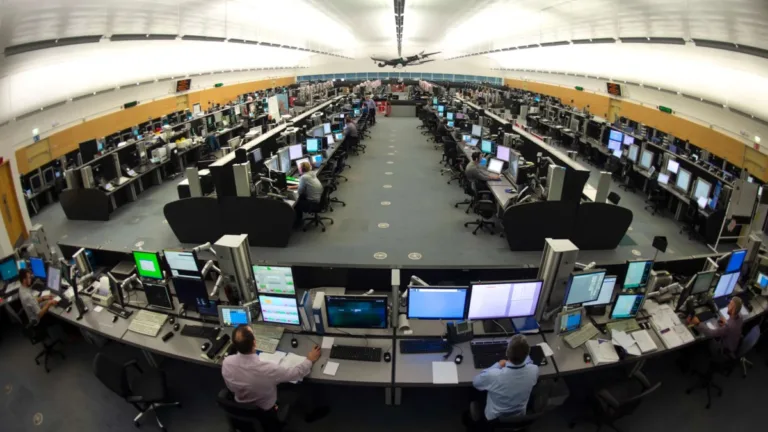
US Transportation Secretary Sean Duffy, airlines, unions and other aviation groups are urging Congress to approve another $30 billion for air traffic control towers, software, digital systems and airport facilities. The significance is not the headline number alone. US carriers have spent years arguing that ageing infrastructure and staffing pressure are increasingly becoming operational constraints rather than background policy issues.
Why it matters to travellers: modernisation is a long-cycle investment, so new funding would not remove delays overnight. It would, however, shape the reliability and capacity of the world’s largest domestic aviation market for years. The key question is how quickly appropriated money can become deployed technology, trained staff and usable capacity.
Mumbai’s dual-airport transition becomes an airline-policy test
India’s Civil Aviation Ministry is due to meet airlines and airport representatives on October 6 over plans to shift part of Mumbai’s traffic as Terminal 1 enters redevelopment. International carriers have been told that a portion of overseas capacity may need to move or be reduced from October 25. IATA supports Navi Mumbai’s long-term development but has objected to what it describes as forced relocation.
Why it matters internationally: splitting traffic across two airports affects connections, ground handling, crew logistics and slot portfolios. A successful dual-airport system needs more than runway capacity; it needs a transition airlines can schedule and passengers can understand.
SAS returns to Mumbai after 17 years
Scandinavian Airlines has resumed nonstop Copenhagen–Mumbai service, returning to the Indian market after a 17-year absence. The route operates five times weekly with Airbus A330-300 aircraft and gives Copenhagen a renewed role in connecting India with Scandinavia, wider Europe and North America.
Network significance: the route arrives as India’s international market continues to attract capacity from European and Gulf carriers. SAS is not simply adding a destination: it is testing whether Copenhagen can capture a larger share of India–Europe and India–North America connecting traffic.
Flydubai investigation turns toward the systems behind crew vetting
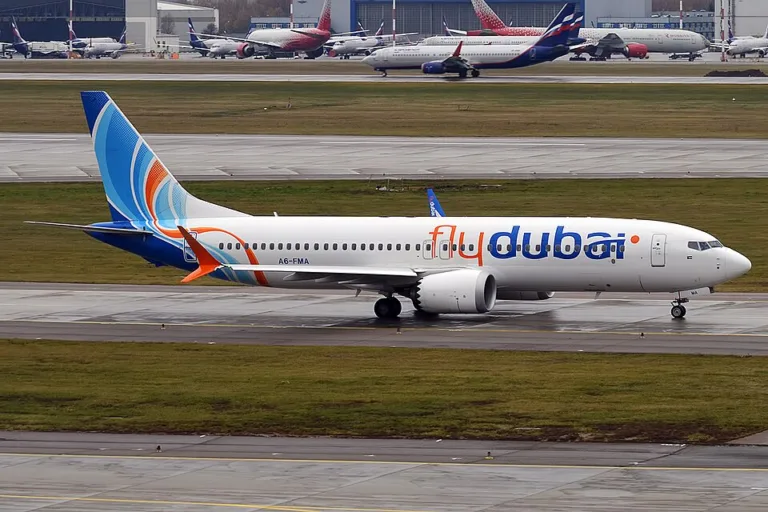
The investigation into flight FZ1073 is increasingly focused on the co-pilot’s background and on whether relevant warnings were shared between jurisdictions. Authorities have not published final findings on motive, and claims circulating around the case should therefore be treated cautiously. The larger aviation question is how airlines and regulators exchange safety-relevant information about flight crew across borders.
AeroSillage is tracking the case in its dedicated report on the FZ1073 investigation. Until official investigations are complete, the distinction between verified evidence and allegation remains essential.
ValueJet brings the Boeing 737NG into passenger service
Nigeria’s ValueJet is due to operate its first commercial passenger service with a Boeing 737NG on October 5. The step gives the carrier a larger-gauge aircraft than the regional jets on which it built much of its operation and can change the economics of higher-demand domestic and regional routes.
Why it matters in Africa: fleet up-gauging can lower seat costs when demand is strong, but it also raises the importance of load factors, maintenance capability and network discipline. The aircraft itself is therefore only half the story; the test is whether ValueJet can deploy the extra capacity consistently and profitably.
The thread to watch
Today’s stories all come back to usable capacity. New aircraft, a second airport or a large infrastructure budget matter only when they translate into reliable operations. The next few weeks will show whether Mumbai can manage a politically sensitive transition, whether SAS can rebuild an India franchise and whether US ATC investment can move from funding debate to implementation.
Primary references include US transport authorities and industry groups, IATA and Mumbai airport information, SAS route information, Reuters reporting on FZ1073 and ValueJet operational announcements. Status checked on the morning of October 5, 2026.