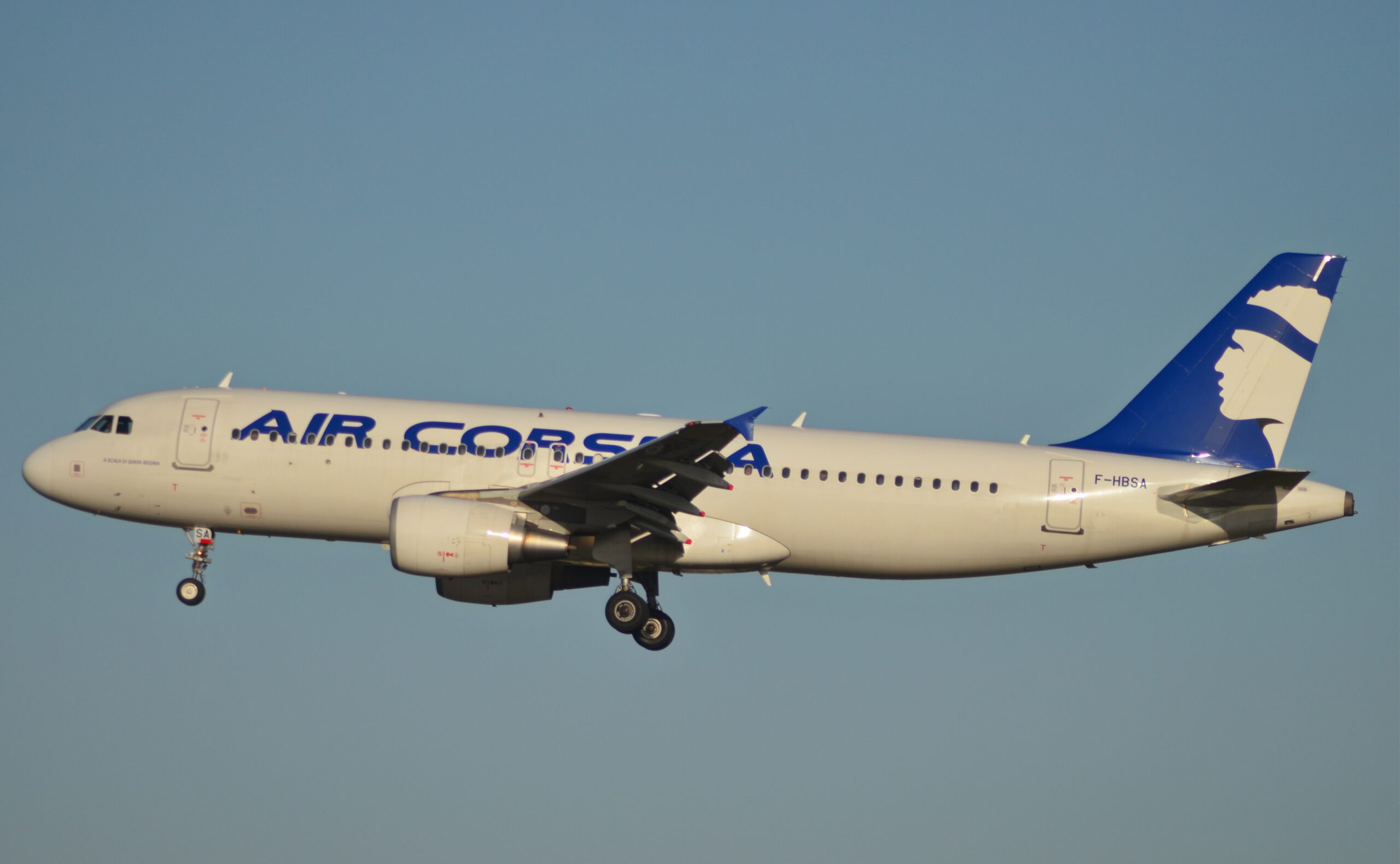
Air Corsica is arranging replacement aircraft, revised schedules and road transfers as its pilots prepare for industrial action from 9 to 16 October 2026. The SNPL and SPAC unions have called on pilots to stop work after talks failed to produce an agreement. The dispute comes at an especially difficult time for the Corsican carrier, which already has five of its seven ATR 72-600 aircraft grounded as a precaution. Operational changes are being arranged, but no verified total of strike-related flight cancellations has been released.
Updated 8 October 2026.
For travellers relying on air links between Corsica and mainland France, the situation has moved beyond a theoretical strike warning. The unions filed their notice on 1 October and, on 8 October, explicitly urged pilots to take part after further negotiations failed. The notice covers Friday 9 through Friday 16 October, local French time. It is still important to distinguish a call to strike from the number of crews who actually stop work or flights that are subsequently cancelled.
Why negotiations have stalled
SNPL and SPAC say their members have already made substantial concessions, including a two-year pay freeze and the loss of leave days. They object to the timing and structure of proposed pay increases and to the effect on salary progression linked to seniority. The unions say they were willing to consider a multi-year agreement with a delayed implementation date, taking the airline’s current difficulties into account, but that no acceptable compromise emerged. Their latest call to strike reflects that breakdown.
Air Corsica’s management presents a different account. It says it has offered meaningful pay improvements and support for pilots who could face reduced working hours while aircraft remain unavailable. Management argues that commitments must remain financially sustainable if the airline is to maintain the public-service connections on which island residents depend. Neither side has announced a settlement or withdrawal of the notice.
The timing is particularly difficult because five of the carrier’s seven ATR 72-600 turboprops have been withdrawn from service as a precaution following reports of unusual odours or fumes. The airline also operates Airbus A320 aircraft. The technical issue is separate from the industrial dispute, yet it leaves fewer options for absorbing a crew shortage and increases dependence on outside operators. AeroSillage has separately covered the ATR grounding and investigation.
Replacement flights and buses: what changes for travellers
Air Corsica says it has secured short-notice aircraft and crews from several French and European airlines for 9 October and the following days. This arrangement, known as chartering or wet leasing when aircraft and crew are supplied together, is intended to preserve as many services as possible. Because aircraft availability is constrained, some departure times are being revised.
The substitute flights cannot simply be spread evenly across Corsica’s four airports. Air Corsica points to specific crew qualification requirements at Ajaccio and Calvi, which limit the number of outside operators able to fly there. Most of the additional aircraft are therefore being deployed on routes serving Bastia and Figari. The airline also plans bus transfers to or from relevant airports so passengers can complete journeys that may no longer follow their original itinerary.
That matters beyond Corsica itself. Air Corsica connects Ajaccio, Bastia, Calvi and Figari with mainland gateways including Marseille, Nice and Paris-Orly, and changes to those sectors can affect onward connections. A replacement flight or a transfer to another Corsican airport should not be confused with a cancelled journey, but neither does the charter plan guarantee every original flight and departure time. As of 8 October, there is no verified consolidated figure for flights cancelled specifically because of the pilots’ action.
What passengers should check
Anyone booked between 9 and 16 October should monitor Air Corsica’s direct communications and the live status of their reservation. The carrier says affected travellers are being contacted individually. Passengers should confirm which airport they will actually depart from or arrive at, whether a bus transfer has been arranged and whether the departure time has changed. Travellers with onward connections should allow for disruption rather than assuming the original itinerary will operate unchanged.
For cancellations covered by EU Regulation 261/2004, passengers generally have rights to reimbursement or rerouting and, where applicable, care while waiting. Fixed compensation may also apply depending on the circumstances and advance notice. A strike by an airline’s own employees is not automatically an extraordinary circumstance that removes the airline’s compensation obligations. The European Union’s passenger-rights guidance explains the rules.
Further negotiations could still change the outcome, and flight plans may evolve as crew availability becomes clearer. Sources include the original union strike notice, reporting of the 8 October statements from both sides and Air Corsica’s reproduced operational statement.
Leave a Reply