
Icelandair buys into PLAY’s former Maltese airline business
Icelandair has closed its 49% investment in the Maltese business left behind by PLAY. The prize is operational flexibility, not a revival of the failed airline.
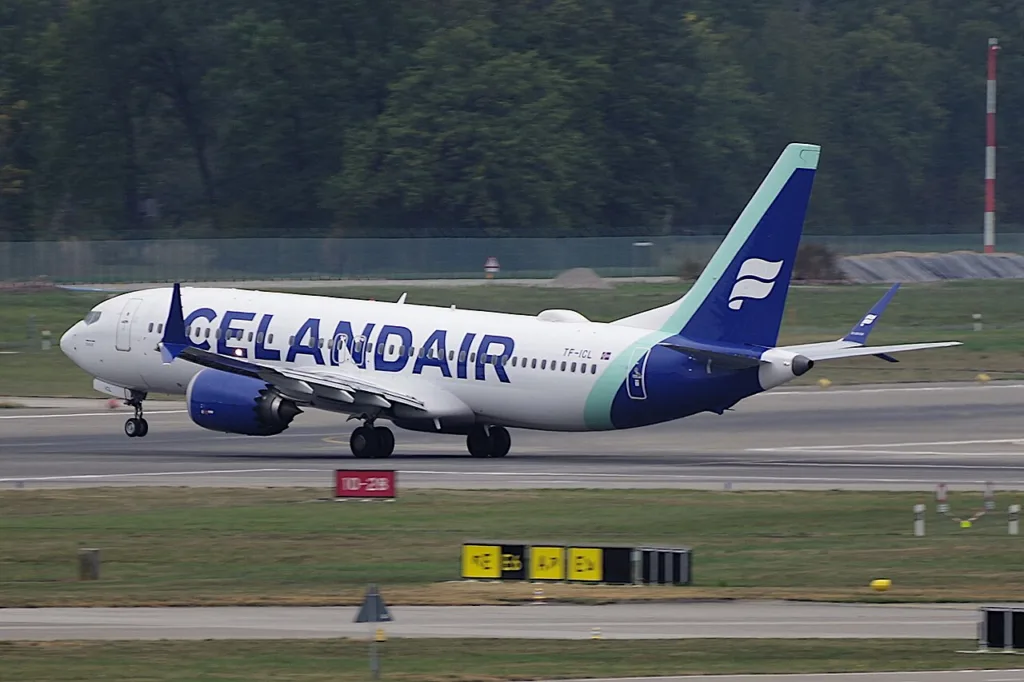
PLAY Airlines stopped flying more than a year ago, but one part of its business has outlived the carrier. On 19 October 2026, former rival Icelandair confirmed that it had completed the purchase of a 49% stake in Fly Play Europe Holdco. Its Maltese subsidiary holds an air operator certificate, or AOC. The reported $686,000 price is relatively small for an airline transaction. The significance lies in what that operating platform could allow Icelandair to do next.
The deal is not a resurrection of PLAY. The low-cost airline, which challenged Icelandair’s position in the market connecting Europe and North America through Iceland, ceased operations in September 2025. The collapse ended its scheduled flights and left travellers, staff and creditors facing the consequences. Yet the business PLAY had established in Malta survived, complete with a regulatory approval that an airline needs to conduct commercial flight operations.
An AOC is often described as a licence, but it represents something more substantial than a document that can simply be passed from one company to another. The regulator certifies an operating organisation, including its safety management, accountable personnel, procedures and oversight. Holding an AOC does not automatically entitle an airline to fly anywhere it chooses. It does, however, provide an operating foundation within a particular regulatory system. In this case the certificate belongs to Fly Play Europe Limited, a Maltese subsidiary of the holding company in which Icelandair now owns shares.
Why the October announcement matters after August’s deal
Icelandair began pursuing the business well before this week’s statement. On 1 April 2026, the group announced a letter of intent to acquire 49%. It then disclosed a share purchase agreement on 20 August, putting the price at $686,000. The seller was FPE hs., a fund managed by Isafold Capital Partners, reflecting the role of PLAY’s former creditors in the surviving operation.
The wording of Icelandair’s August stock-exchange announcement created a complication for readers: it described the acquisition as completed while also saying that final completion depended on conditions, including an understanding with Malta’s aviation authorities over continued use of the AOC. That is why the new disclosure on 19 October is meaningful. The group says every condition precedent has now been satisfied and the transaction has closed.
The distinction matters. Icelandair bought shares in a holding company; it did not purchase the defunct PLAY airline or take possession of a free-standing flight licence. The Maltese operating company continues to hold the certificate and remains subject to the relevant aviation requirements. Icelandair’s stake is minority ownership, not proof that it can make every operational decision unilaterally.
August’s agreement also included financing arrangements and options for Icelandair to increase its stake later. Their detailed terms have not been disclosed. The remaining ownership, governance and future fleet arrangements will therefore matter just as much as the headline percentage when the business develops.
What an EU operating base could do for Icelandair
Icelandair already has its own operating certificate and an established network built around Keflavík. The importance of that centralised operation was underlined by September’s mechanics strike, which disrupted flights and connections before services resumed. It does not need a Maltese subsidiary merely to operate its existing Icelandic flights. Its interest is in the flexibility of a second operating platform within the European Union, with potential applications beyond the connecting network it runs across the North Atlantic.
In April, Icelandair specifically pointed to charter opportunities, a wider network of air service agreements and tax treaties, and the possibility of dividing its aircraft operations. One part of the fleet could remain closely tied to scheduled services through Iceland, while other aircraft might operate through Malta. Depending on how that structure is implemented, the business might support charter or aircraft-and-crew leasing contracts. None of these possibilities amounts to a confirmed route announcement or a guaranteed financial benefit.
The idea is also consistent with Icelandair’s broader effort to diversify revenue and simplify some operations. The company said in August that the investment would have an immaterial effect on its 2026 financial results and balance sheet, while offering a longer-term strategic opportunity. In other words, management is buying optionality rather than promising an immediate change to schedules.
PLAY had created its own Maltese operation as part of a restructuring designed to expand activities outside the Icelandic scheduled network. Before the parent airline failed, aircraft from the group had been used in wet-lease arrangements, with aircraft and crew supplied to other operators, including SkyUp Malta. The attempt did not prevent PLAY’s closure. But a company with an AOC, a corporate structure and operational potential survived, first as an asset for creditors and now as an investment for the carrier that once competed with PLAY on transatlantic connecting traffic.
What travellers should—and should not—expect
There is no announcement that PLAY flights are returning. Former PLAY tickets do not regain validity because Icelandair has purchased this shareholding, and buying a stake in the holding company should not be confused with assuming all the defunct airline’s liabilities. Nor has Icelandair announced new destinations or changes to existing passenger bookings as part of the closing disclosure.
If the Maltese operation later flies aircraft on behalf of Icelandair or other customers, the distinction between the airline selling a ticket and the operator actually conducting the flight will become important. In wet-lease arrangements, an aircraft and its crew may belong to one operator while the service is marketed by another. Passengers need clear information about who is operating their service; the regulatory obligations also attach to the actual operator and its certificate.
For now, the concrete news is that a transaction first explored in April, announced in financial terms in August and subject to remaining conditions has finally closed in October. The next useful development will be evidence of how Icelandair puts the Maltese AOC to work: which aircraft, which contracts and which parts of the business will operate under it.

JOIN THE CONVERSATION
Let’s discuss this story.
A question, a clarification or a different perspective? Share it with us.