Weather disruption and operational resilience lead the aviation agenda on September 27. A powerful nor’easter is disrupting the US Northeast, while flooding is complicating ground operations at Bangkok Suvarnabhumi. Extra screening on India-bound flights from Kathmandu is back in focus, Qatar Airways is completing its A330 exit, and Vertical Aerospace is expanding its UK industrial footprint.
US Northeast: hundreds of flights cancelled
A powerful coastal storm is hitting the northeastern United States with heavy rain, flooding and power outages. Reuters reported more than 400 flight cancellations as the system affected the corridor from Washington toward New England. New York and New Jersey had declared states of emergency ahead of expected flooding and transport disruption.
Why it matters. The Northeast corridor contains several of the country’s busiest airports. Simultaneous weather deterioration around New York, Boston and nearby hubs quickly cascades through aircraft rotations, crew schedules and connections. Effects can therefore spread well beyond the storm zone, including to transatlantic services.
Source: Reuters, September 26-27.
Bangkok floods disrupt Suvarnabhumi ground operations
Bangkok Suvarnabhumi Airport said on September 27 that widespread flooding had disrupted ground-handling operations, producing delays and a baggage backlog. Thai authorities had already instructed airports to maintain operations while closely monitoring heavy rainfall during September 26-27 and coordinating flight information with airlines.
Why it matters. Suvarnabhumi is one of Southeast Asia’s principal hubs. Even when runways remain available, staff access, baggage handling, refuelling and aircraft turnarounds can become critical bottlenecks. The episode illustrates the difference between an airport being formally open and being able to operate at normal capacity.
Sources: Thailand government; Khaosod English, September 27.
Kathmandu: extra screening for Indian flights returns to focus
Passengers departing Kathmandu’s Tribhuvan International Airport on Indian-registered aircraft undergo an additional screening, a long-standing arrangement highlighted again on September 27. It shows how states can impose flight-specific safeguards on top of standard airport procedures when additional protection is considered necessary.
Why it matters. Aviation protection is built around international standards but national authorities can add requirements. Such measures affect gate space, boarding time and coordination between agencies. They also demonstrate how confidence between national systems can directly shape the passenger journey.
Source: South Asian regional reporting, September 27.
Qatar Airways closes the A330 chapter
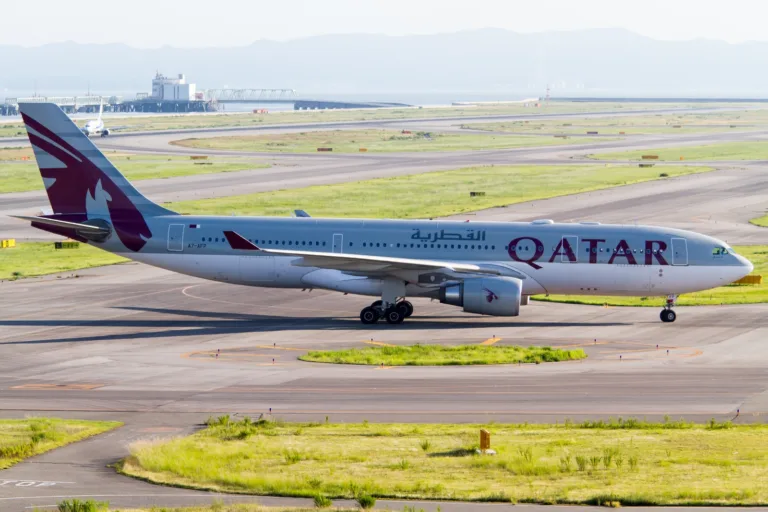
Qatar Airways has retired its remaining Airbus A330 passenger aircraft and is seconding some A330 pilots to RwandAir, Reuters reported. Aircraft leased from Oman Air that had been expected to add capacity never entered commercial service. The move comes as regional disruption and higher fuel prices reshape the economics of Gulf airline operations.
Why it matters. Aircraft shortages after the pandemic extended the lives of older widebodies, but expensive fuel changes that equation. Less-efficient jets become harder to justify. The pilot secondments also underline Qatar Airways’ ties with RwandAir and provide a way to preserve skills no longer required in Doha’s active fleet.
Source: Reuters, September 25.
Vertical Aerospace expands its UK manufacturing footprint
Vertical Aerospace is expanding its assembly operation at Cotswold Airport as it develops its electric vertical-takeoff-and-landing aircraft. The enlarged facility comes before a future decision on a higher-volume manufacturing site and reflects the industry’s effort to move from prototypes toward repeatable production.
Why it matters. Electric aviation now faces challenges beyond proving that an aircraft can fly. Certification, supply-chain control, industrial quality and production ramp-up are becoming decisive. A larger assembly site is therefore a tangible sign of intended maturity, although commercial viability will still depend on certification timing and operating economics.
Source: Aviation International News, September 27.
The day’s common thread
September 27’s stories share a central theme: aviation performance depends as much on absorbing shocks as on introducing new technology. Weather is testing operations in the US and Thailand; additional screening adds structural complexity in Kathmandu; Qatar Airways is reshaping its fleet for a tougher operating environment; and Vertical Aerospace is trying to turn new technology into an industrial product. Resilience is increasingly a competitive capability for both airlines and airports.